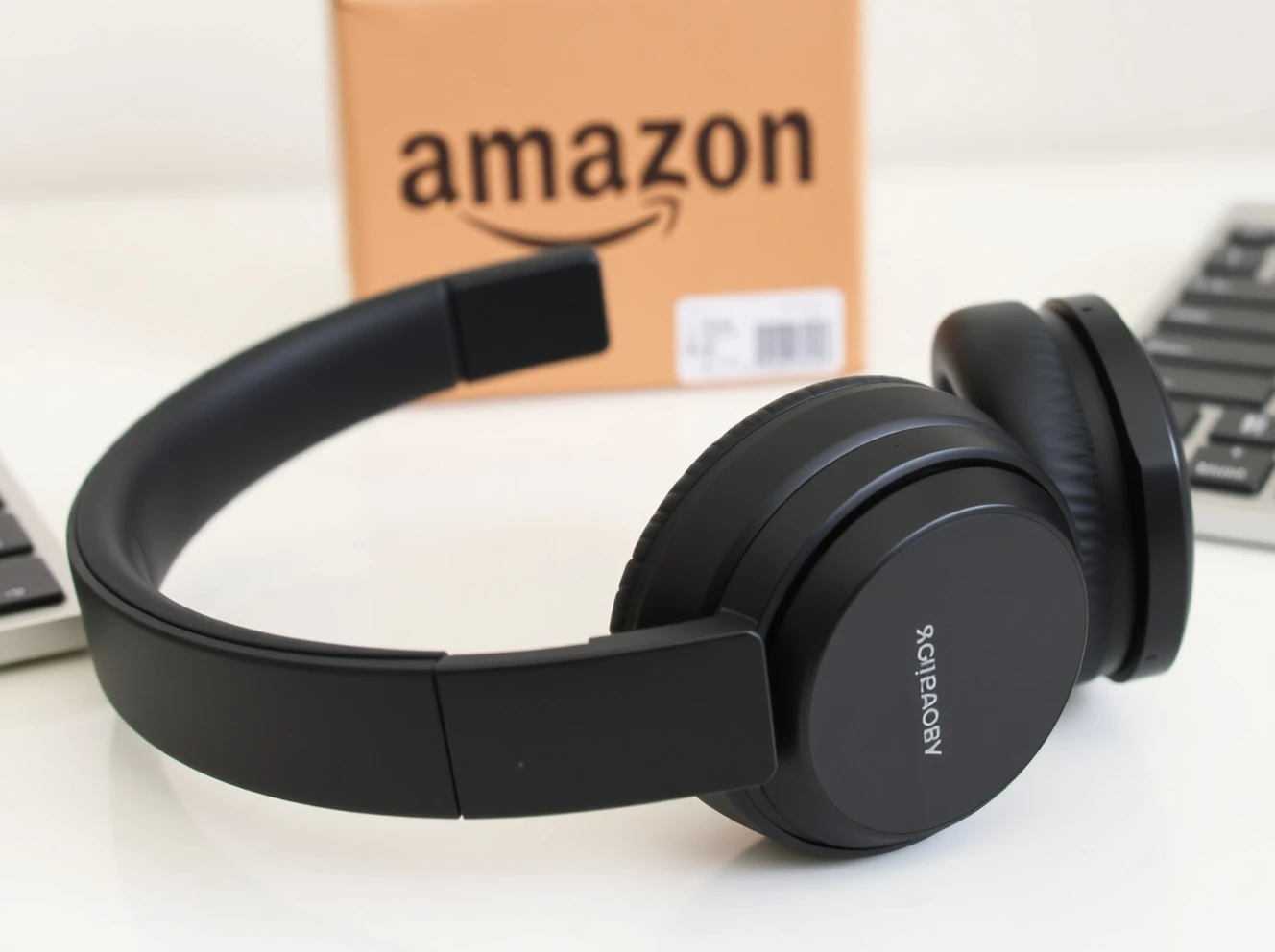
In a move that has sent ripples through the consumer electronics industry, Amazon now sells advanced noise-canceling headphones for a mere $35, effectively democratizing premium audio technology for millions of budget-conscious shoppers in early 2025. This aggressive pricing strategy represents more than just a seasonal deal; it signals a fundamental shift in market dynamics and manufacturing capabilities. Consequently, consumers who previously viewed active noise cancellation (ANC) as a luxury feature now access it at an entry-level price point. Industry analysts immediately began assessing the long-term implications for both established audio brands and the broader wearable technology sector. Furthermore, this development raises important questions about supply chain innovations and changing consumer expectations in the post-pandemic economy.
Amazon’s $35 Noise-Canceling Headphones: Analyzing the Product Specifications
Amazon’s product listing reveals surprisingly robust specifications for headphones at this price tier. The device reportedly features hybrid active noise cancellation, a technology that traditionally commands prices above $150. This system uses both feedforward and feedback microphones to analyze and counteract ambient sound. Additionally, the headphones offer a claimed battery life of 22 hours with ANC enabled, which significantly exceeds historical benchmarks for budget audio gear. The inclusion of a transparency mode, allowing users to hear their surroundings without removing the headphones, further blurs the line between budget and premium segments.
Audio quality specifications indicate a focus on balanced performance rather than overwhelming bass, which often characterizes cheaper models. The frequency response ranges from 20Hz to 20kHz, covering the full spectrum of human hearing. Moreover, the headphones include Bluetooth 5.3 connectivity with support for multiple codecs, including SBC and AAC. While they lack premium features like aptX or LDAC support, their technical capabilities remain impressive for the price. The physical design incorporates memory foam ear cushions and a foldable construction, enhancing both comfort and portability for daily use.
The Market Context and Competitive Landscape
This pricing strategy emerges within a highly competitive audio market. Traditional leaders like Sony, Bose, and Apple currently dominate the premium noise-canceling headphone category with prices ranging from $200 to $550. Meanwhile, numerous Chinese manufacturers have steadily improved quality in the $50-$100 range over recent years. Amazon’s direct entry at $35 therefore creates substantial pressure across all price segments. Market research firm Canalys reported in late 2024 that the global market for true wireless headphones and headsets grew 17% year-over-year, reaching 312 million units shipped.
The table below illustrates the immediate price disruption:
| Brand/Model | Noise Cancellation Type | Typical Price Point | Key Differentiator |
|---|---|---|---|
| Amazon (New Offering) | Hybrid ANC | $35 | Extreme affordability |
| Anker Soundcore Life Q30 | Hybrid ANC | $80 | Balanced performance |
| Sony WH-CH720N | Digital NC | $128 | Brand reputation |
| Bose QuietComfort Headphones | Acoustic NC | $329 | Industry-leading cancellation |
This competitive pressure may accelerate innovation while simultaneously squeezing profit margins throughout the industry. Consequently, consumers benefit from increased choice and better value across all price categories.
Supply Chain and Manufacturing Innovations
Several technological and logistical advancements enable this price point. First, economies of scale from Amazon’s massive distribution network significantly reduce per-unit costs. Second, improvements in chip manufacturing have dramatically lowered the price of ANC processors. Companies like Qualcomm and BES now offer capable ANC chipsets at under $5 per unit in bulk orders. Third, automated assembly lines in Southeast Asia have increased production efficiency while maintaining quality control standards.
Material science innovations also contribute to cost reduction. New polymer composites provide adequate durability at lower material costs than traditional plastics. Additionally, lithium-ion battery prices have fallen approximately 89% over the past decade according to BloombergNEF data. These converging factors create a perfect storm for affordable audio technology. However, industry observers note potential concerns about electronic waste and product longevity at these price points.
Consumer Impact and Accessibility Considerations
The immediate effect expands access to noise-canceling technology for several key demographics:
- Students: Affordable study aids for noisy dormitories and libraries
- Remote Workers: Budget-friendly tools for home office concentration
- Travelers: Accessible solutions for plane and train commutes
- Sensory-Sensitive Individuals: Low-cost relief from auditory overstimulation
This democratization aligns with broader technology accessibility trends observed throughout the 2020s. Previously premium features like high-resolution displays, multi-lens cameras, and fast charging have all migrated to budget devices. Noise cancellation represents the latest example of this trickle-down effect. Accessibility advocates particularly welcome this development for neurodivergent individuals who benefit from noise reduction but cannot afford premium solutions.
Consumer behavior data suggests price represents the primary barrier to ANC adoption for approximately 68% of potential buyers according to a 2024 Statista survey. Amazon’s pricing directly addresses this barrier. However, experts caution consumers to maintain realistic expectations about performance compared to premium alternatives. While the technology functions identically in principle, implementation details affect real-world effectiveness.
Expert Analysis and Industry Reactions
Audio technology specialists express cautious optimism about this development. Dr. Elena Rodriguez, an acoustic engineer at the University of Southern California, notes: “The physics of noise cancellation remain constant regardless of price. However, implementation quality varies significantly. Microphone placement, algorithm sophistication, and driver quality all influence final performance.” She emphasizes that while $35 headphones may not match $350 models, they can still provide meaningful noise reduction for common environments like offices or public transportation.
Market analysts predict several likely industry responses:
- Premium brands may emphasize superior materials and brand prestige
- Mid-range manufacturers will likely enhance feature sets to justify higher prices
- Component suppliers may develop tiered product lines for different market segments
- Retailers could bundle headphones with other products to increase perceived value
The long-term effect might resemble what occurred in the smartphone market after Chinese manufacturers entered with capable budget devices. Overall quality improved across all price points while previously premium features became standard. For consumers, this represents a net positive despite potential consolidation among smaller audio brands.
Technological Considerations and Performance Realities
Prospective buyers should understand several technical aspects of budget noise cancellation. First, effectiveness varies significantly across frequency ranges. Most systems excel at reducing constant low-frequency sounds like engine hum but struggle with irregular high-frequency noises like human speech. Second, battery life claims often assume moderate volume levels; using maximum volume or enabling additional features reduces operational time. Third, Bluetooth connectivity at this price point may exhibit occasional latency during video playback, though this has improved substantially in recent iterations.
Build quality represents another consideration. While materials have improved, $35 headphones typically incorporate more plastic and less metal than premium alternatives. This affects both durability and long-term comfort during extended wearing sessions. However, for many users seeking occasional noise reduction rather than all-day professional use, these compromises remain acceptable given the dramatic price difference.
Environmental and Sustainability Implications
The environmental impact of ultra-affordable electronics warrants serious consideration. Lower prices potentially increase consumption rates and shorten replacement cycles. According to the United Nations Global E-waste Monitor, approximately 5.3 billion mobile phones dropped out of use in 2024 alone. Affordable headphones may contribute to similar electronic waste streams if not properly managed. However, some manufacturers now incorporate recycled materials and design for easier disassembly.
Amazon’s sustainability report indicates a goal of net-zero carbon emissions by 2040. The company has implemented several initiatives to reduce packaging waste and improve energy efficiency in transportation. Whether these $35 headphones align with those sustainability goals depends on specific manufacturing practices and end-of-life recycling programs. Environmentally conscious consumers might consider product longevity and repairability alongside initial purchase price.
Conclusion
Amazon’s introduction of $35 noise-canceling headphones represents a pivotal moment in consumer audio technology. This development dramatically increases accessibility while challenging established market hierarchies. Consumers now enjoy unprecedented choice in noise-canceling solutions across all price segments. However, realistic expectations about performance and durability remain essential when evaluating budget options. The long-term effects will likely include accelerated innovation, increased competition, and continued feature democratization throughout the wearable technology sector. As manufacturing efficiencies improve and component costs decline, premium features will increasingly become standard offerings. Ultimately, Amazon’s aggressive pricing strategy benefits consumers seeking affordable noise-canceling headphones while reshaping industry dynamics for years to come.
FAQs
Q1: How effective is the noise cancellation on $35 headphones compared to premium models?
A1: While using similar technology, implementation differences affect performance. Budget models typically reduce constant low-frequency noise effectively but may struggle with irregular sounds. Premium headphones generally offer more sophisticated algorithms and better microphone arrays for superior overall cancellation.
Q2: What is the expected battery life for these affordable noise-canceling headphones?
A2: Manufacturers claim approximately 22 hours with active noise cancellation enabled. Real-world usage typically yields 15-20 hours depending on volume levels and environmental conditions. This represents significant improvement over budget models from previous years.
Q3: Can I use these headphones for making phone calls or video conferences?
A3: Yes, most models include built-in microphones for voice calls. However, call quality may not match dedicated communication headsets, particularly in noisy environments. For important professional calls, users might consider additional microphone accessories.
Q4: Do these budget headphones work with voice assistants like Alexa or Siri?
A4: Many models support voice assistant activation through dedicated buttons or wake words. Compatibility varies by manufacturer and smartphone integration. Check product specifications for specific voice assistant support before purchasing.
Q5: What warranty typically comes with $35 noise-canceling headphones?
A5: Most manufacturers offer a standard one-year limited warranty covering manufacturing defects. Extended protection plans may be available for additional purchase. Warranty terms vary significantly between brands, so review documentation carefully before buying.