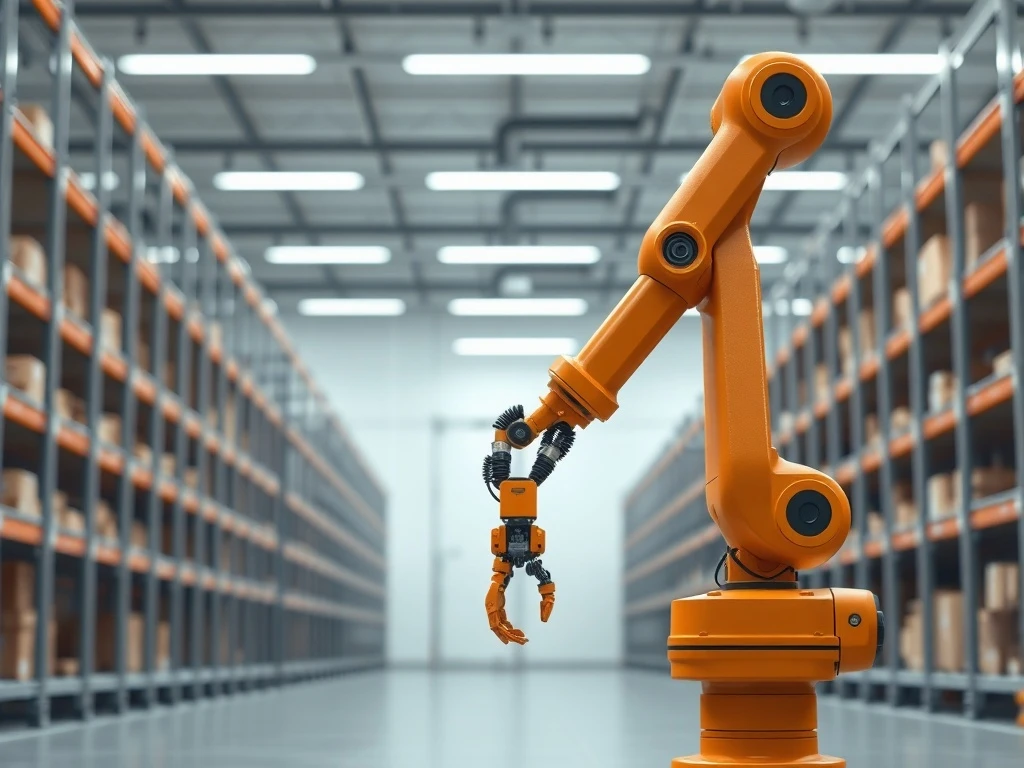
Amazon has initiated job cuts within its robotics and advanced automation division, according to internal communications obtained on March 15, 2026. The reductions affect engineering and research roles at the company’s primary robotics development hub in North Reading, Massachusetts. This move represents a continuation of the tech giant’s broader workforce restructuring, now directly impacting a unit once seen as critical to its long-term operational efficiency. The decision to cut jobs in the robotics unit signals a potential strategic recalibration of Amazon’s massive investment in warehouse and logistics automation.
Amazon Robotics Unit Faces Targeted Layoffs
The layoffs within Amazon’s robotics division, first reported by Business Insider, target several teams working on next-generation warehouse automation. Sources familiar with the matter indicate the cuts are not across-the-board but are focused on specific projects deemed non-essential or duplicative. A company spokesperson confirmed the action, stating the changes are part of an ongoing effort to “prioritize our resources and align our teams with the most impactful customer experiences.” The spokesperson did not disclose the exact number of affected employees, but internal estimates suggest several hundred roles are involved across the Massachusetts site and satellite offices.
This development follows a series of workforce reductions Amazon began in late 2025, which initially targeted its Alexa and retail divisions. The expansion of these cuts into robotics marks a significant shift. Historically, Amazon has heavily promoted its robotics ambitions, acquiring Kiva Systems in 2012 for $775 million and deploying over 750,000 robotic drive units in its fulfillment centers globally. The current pullback suggests a move from rapid expansion to optimization and integration of existing technologies.
Impact on Automation Strategy and Workforce
The immediate impact extends beyond the displaced employees. The cuts create uncertainty around several high-profile robotics initiatives. Consequently, project timelines for next-generation robotic picking arms and fully autonomous mobile robots may face delays. Industry analysts note this could temporarily slow the pace of automation deployment in Amazon’s vast logistics network, which employs over 1.5 million people worldwide.
- Project Delays: Research into dexterous manipulation for irregular items, a key hurdle in full automation, is likely scaled back.
- Morale and Talent Retention: Remaining engineers in the division may face increased uncertainty, potentially affecting innovation.
- Vendor and Partner Relationships: Companies supplying components or software to Amazon Robotics may see reduced orders or renegotiated contracts.
Expert Analysis on the Strategic Pivot
Dr. Elena Rodriguez, a supply chain automation expert at the MIT Center for Transportation & Logistics, provided context. “Amazon’s robotics division grew explosively for a decade,” Rodriguez explained. “What we’re seeing now is a natural maturation. The low-hanging fruit of moving shelves with robots is largely solved. The next challenges—like robotic piece-picking of thousands of different items—require monumental R&D investment with longer, less certain payoffs.” She suggests Amazon is likely shifting resources toward software and AI that makes existing robots smarter, rather than developing entirely new hardware platforms. This perspective aligns with a recent report from the International Federation of Robotics, which noted a 15% slowdown in investment for new industrial robot types in logistics for 2025.
Broader Context of Tech Industry Contraction
Amazon’s robotics cuts occur within a wider trend of consolidation in the technology sector. After years of aggressive hiring and speculative investment, many giants are streamlining operations to improve profitability. A comparison of recent layoffs in adjacent automation and AI fields reveals a pattern of strategic pruning rather than wholesale retreat.
| Company | Division Affected | Reported Scale (2025-2026) |
|---|---|---|
| Amazon | Robotics & Advanced Automation | Hundreds of roles |
| Google (Alphabet) | X Development (Moonshot Factory) | Reduced funding for several robotics projects |
| Boston Dynamics (Hyundai) | Commercial/Logistics R&D | Strategic re-focus on existing Spot/Stretch platforms |
| NVIDIA | Autonomous Vehicle Simulation | Minor team consolidations |
What Happens Next for Amazon Robotics
The forward path for Amazon’s robotics ambitions will become clearer in the coming quarters. Company leadership has emphasized a commitment to automation as a core tenet. However, the focus is expected to pivot toward incremental improvements and integration. Key areas to watch include the rollout of the “Sparrow” robotic arm, designed for individual product handling, and enhancements to the “Hercules” mobile robot fleet’s AI navigation systems. Amazon’s annual re:Mars conference in June 2026 will likely serve as a platform to announce this refined strategy.
Industry and Market Reactions
Reactions from the market and competitors have been measured. Shares of Amazon (AMZN) showed minimal movement following the news, suggesting investors view the cuts as a minor operational adjustment. Conversely, shares of companies specializing in warehouse automation, like Symbotic and Berkshire Grey, experienced slight volatility. Within the robotics community, some experts see an opportunity. “Amazon’s pullback could release talented engineers into the broader ecosystem,” noted Michael Oitzman, editor of The Robot Report. “This might actually accelerate innovation at smaller startups and research institutions now able to access this specialized talent pool.”
Conclusion
The job cuts in Amazon’s robotics unit represent a strategic inflection point, not an abandonment of automation. The move from frontier exploration to pragmatic optimization reflects the division’s evolution within a corporation under renewed pressure for profitability. While the immediate impact centers on affected employees and specific projects, the long-term implication is a more focused, efficiency-driven approach to robotics. Observers should monitor Amazon’s upcoming capital expenditure reports and patent filings for signals of where its concentrated investments in automation will now flow. The era of unchecked growth in physical robotics R&D may be giving way to a period of targeted, software-defined enhancement.
Frequently Asked Questions
Q1: How many jobs is Amazon cutting in its robotics unit?
Amazon has not released an official number, but reports from internal sources and outlets like Business Insider suggest the layoffs affect several hundred engineering and research roles, primarily at its North Reading, Massachusetts facility.
Q2: Why is Amazon cutting jobs in robotics if automation is so important to its future?
Analysts believe this is a strategic prioritization, not a retreat. The company appears to be shifting resources from speculative, long-term hardware projects toward optimizing and integrating its existing fleet of over 750,000 robots with more advanced software and AI.
Q3: Will this slow down automation in Amazon warehouses?
In the short term, some next-generation projects may be delayed. However, the deployment and operation of current robotic systems like drive units and sorting arms are expected to continue unaffected, as they are core to daily operations.
Q4: What does this mean for people who work in Amazon warehouses?
For the immediate future, very little. These cuts target corporate R&D roles, not warehouse associates. The long-term trend toward automation replacing certain manual tasks continues, but this specific event does not accelerate that timeline for frontline workers.
Q5: How does this fit into Amazon’s larger layoff trend?
This is an extension of workforce reductions that began in late 2025, initially targeting the Alexa and retail divisions. It indicates the cost-cutting and restructuring efforts are now reaching units once considered immune, highlighting a company-wide focus on operational efficiency.
Q6: Could this benefit other robotics companies?
Potentially. A release of specialized robotics engineering talent into the job market could provide a boost to startups, competitors, and research institutions, potentially diversifying innovation beyond a single corporate giant.