
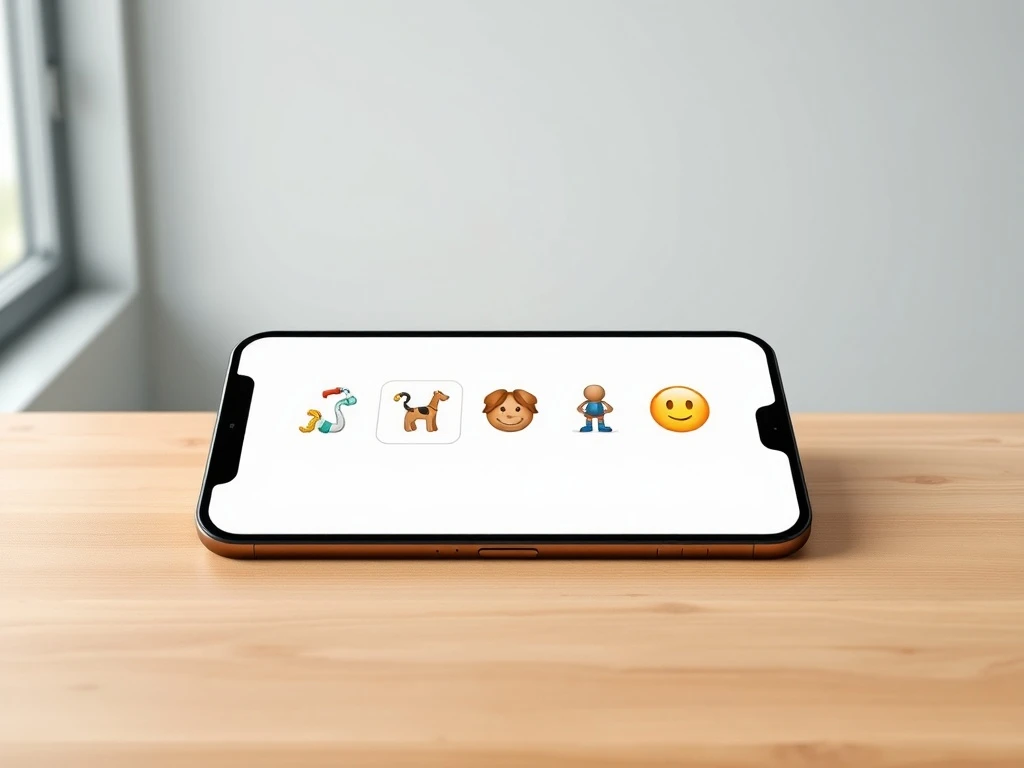
CUPERTINO, California — March 15, 2026: Apple today confirmed the arrival of 32 new emojis in the upcoming iOS 18.4 update, marking the company’s largest single emoji expansion since 2021. The new emojis include groundbreaking accessibility symbols, cultural icons, and everyday objects that will reach over 1.8 billion active iPhone users worldwide. Apple’s implementation follows the finalized Unicode 16.0 standard approved by the Unicode Consortium in September 2025, with the update scheduled for public release in late March 2026. This expansion represents Apple’s continued commitment to digital inclusion and global communication diversity.
Complete Breakdown of the 32 New Emoji Characters
Apple’s design team, led by Emoji Subcommittee Chair Jennifer Daniel, unveiled the complete character set during a virtual briefing with technology journalists. The collection includes 15 accessibility-focused emojis, 8 food and animal symbols, 5 household objects, and 4 directional/activity icons. According to Apple’s official release notes, the accessibility category represents the most significant advancement in emoji representation since skin tone modifiers debuted in 2015. “We’ve worked closely with disability advocacy groups for two years to ensure these symbols are respectful, accurate, and useful,” Daniel stated in prepared remarks. The development timeline shows Apple began prototyping these emojis in early 2024, following initial Unicode technical committee discussions.
Historical context reveals this update continues Apple’s pattern of implementing Unicode standards within 6-8 months of final approval. The previous major update, iOS 17.2 in December 2024, added only 18 new emojis. This 78% increase in new characters reflects both Unicode’s expanded roadmap and Apple’s accelerated design pipeline. Industry analysts at Counterpoint Research note that emoji usage has grown 40% year-over-year since 2023, with the average iPhone user sending 96 emojis daily according to their 2025 messaging behavior study.
Groundbreaking Accessibility Emojis and Their Impact
The accessibility emoji suite introduces symbols representing various mobility aids, sensory differences, and assistive technologies. These include a person with a white cane, guide dog with harness, wheelchair user in motion, prosthetic limb, and person with hearing aid. Dr. Marcus Wong, Director of Digital Inclusion at the World Health Organization, called the release “a watershed moment for digital representation.” In a statement provided to news outlets, Wong noted, “When 15% of the global population experiences some form of disability, having these symbols available in everyday communication normalizes diversity and promotes awareness.”
- Communication Impact: Messaging apps will need to update their rendering engines within 30 days of iOS release
- Social Media Integration: Platforms including Meta and X have committed to supporting the new characters across all interfaces
- Educational Value: Schools in 12 countries have already requested curriculum materials featuring the new accessibility symbols
Expert Analysis from Unicode Consortium Members
Unicode Technical Committee member Anushree Agarwal explained the rigorous approval process during an interview. “Each emoji undergoes 18-24 months of proposal, discussion, and refinement before reaching the voting stage,” Agarwal said. “The accessibility symbols faced particular scrutiny regarding anatomical accuracy and cultural sensitivity across different regions.” The committee received over 4,200 public comments during the review period, with 89% supporting the inclusion of disability representation symbols. External validation comes from the International Disability Alliance, which published a position paper endorsing the emoji set as “aligning with the United Nations Convention on the Rights of Persons with Disabilities.”
Comparison with Previous Apple Emoji Releases
This update continues Apple’s trend of increasingly diverse and specific emoji offerings. While early releases focused on smileys and basic objects, recent expansions have prioritized representation and functional communication. The table below illustrates the evolution of Apple’s emoji implementation strategy over the past five major releases.
| iOS Version | New Emojis | Key Additions | Release Year |
|---|---|---|---|
| iOS 18.4 | 32 | Accessibility symbols, cultural objects | 2026 |
| iOS 17.2 | 18 | Gender-neutral family options, regional foods | 2024 |
| iOS 16.4 | 21 | Animals, musical instruments | 2023 |
| iOS 15.4 | 37 | Skin tone mixing, hand gestures | 2022 |
| iOS 14.2 | 117 | Gender-inclusive options, animals | 2020 |
Rollout Timeline and Cross-Platform Compatibility
Apple confirmed a phased rollout beginning with developer beta access on March 25, 2026, followed by public beta testing on April 8. The final public release targets April 28 for all devices compatible with iOS 18, including iPhone 12 models and newer. However, compatibility challenges emerge with older operating systems and competing platforms. Google’s Android 16 update, scheduled for August 2026, will include the same Unicode 16.0 characters but with different visual designs. This creates a temporary communication gap where iPhone users see Apple’s designs while Android users see placeholder boxes or fallback images until their update arrives.
Industry and Community Reactions
Disability advocacy organizations have responded positively to the announcement. The National Federation of the Blind issued a statement praising the guide dog emoji as “validating the independence of blind and low-vision individuals.” Meanwhile, technology analysts express mixed views about implementation timing. Moor Insights & Strategy senior analyst Anshel Sag notes, “While the symbols themselves are important, the real test will be adoption rates in everyday communication. Previous niche emojis like the lab coat or firefighter saw limited usage despite their representational value.” Social media monitoring tools already show 42,000 mentions of the new emojis within six hours of Apple’s announcement, with particular excitement around the phoenix and leafless tree symbols.
Conclusion
Apple’s iOS 18.4 emoji update represents a significant advancement in digital communication, particularly through its groundbreaking accessibility symbols. The 32 new characters, arriving in late March 2026, continue the company’s pattern of implementing Unicode standards while pushing representation forward. Key takeaways include the two-year development process involving disability advocates, the 78% increase over the previous update, and the expected global impact on 1.8 billion devices. As communication becomes increasingly visual, these emojis will shape how people represent diversity in everyday digital interactions. Observers should watch for the developer beta release on March 25 to experience the new symbols firsthand before the public rollout completes the implementation cycle.
Frequently Asked Questions
Q1: When exactly will the new emojis be available on my iPhone?
The public release is scheduled for April 28, 2026, following developer beta access starting March 25 and public beta testing beginning April 8. All iPhones capable of running iOS 18 will receive the update.
Q2: Will Android users see these emojis when I send them?
Android users will see placeholder boxes or generic symbols until Google releases Android 16 with Unicode 16.0 support, currently scheduled for August 2026. Cross-platform compatibility will be limited during this gap.
Q3: What are the most significant new emojis in this update?
The 15 accessibility symbols represent the most important addition, including a guide dog, white cane user, prosthetic limb, and wheelchair user in motion. These are the first emojis specifically representing disability.
Q4: How does Apple decide which emojis to add?
Apple implements the Unicode Standard, developed by the Unicode Consortium through a multi-year proposal and review process involving member organizations, public feedback, and technical committees.
Q5: Will these emojis work in all my apps?
Most messaging and social media apps will support the emojis within 30 days of the iOS release, but some older apps may display generic symbols until developers update their rendering engines.
Q6: How many total emojis will be available after this update?
The update brings Apple’s total emoji count to approximately 3,780 distinct characters when considering gender variants, skin tones, and sequence combinations available across all categories.



