
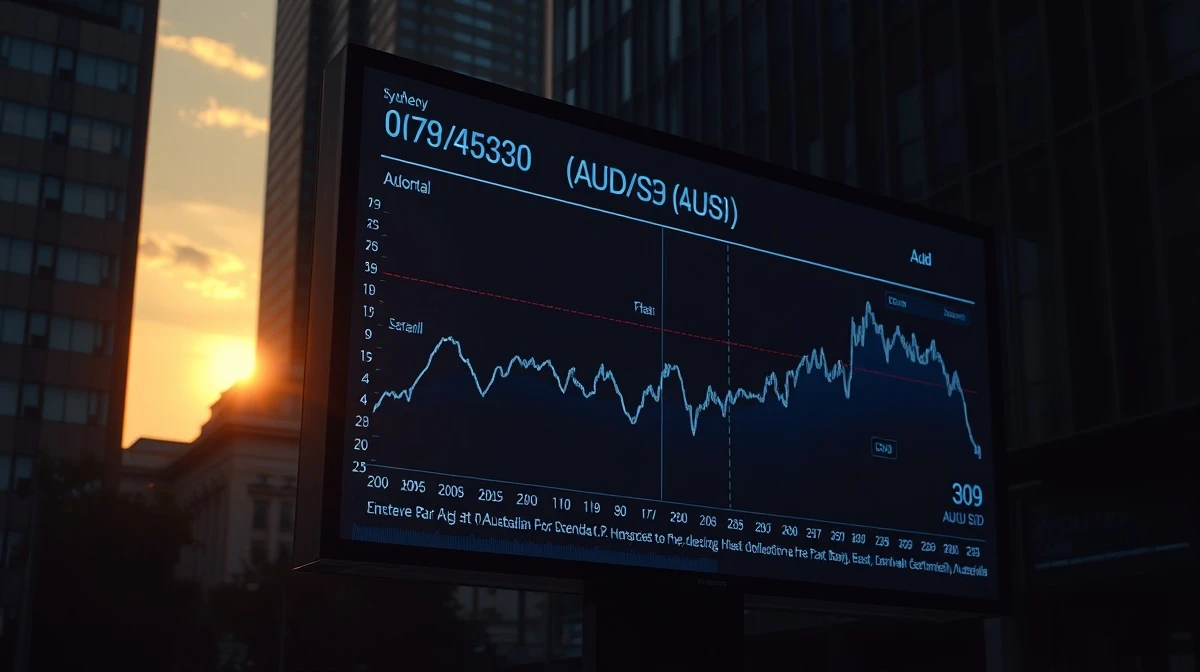
March 31, 2026 — The Australian Dollar rose against major peers on Tuesday after minutes from the Reserve Bank of Australia’s latest policy meeting showed board members considered further interest rate increases. The currency’s move reflects shifting market expectations for tighter monetary policy.
According to the minutes released today, the RBA board debated the case for another rate hike at its March meeting. While the board ultimately decided to hold the cash rate steady at 4.35%, the discussion revealed a heightened focus on persistent inflation risks. “Members agreed that it was important to convey that the Board has a low tolerance for a slower return of inflation to target than currently expected,” the document stated.
Also read: Yen Falls as Soft Tokyo CPI Dents BoJ Hike Bets
Market Reaction and Currency Moves
The Australian Dollar (AUD) jumped following the release. The AUD/USD pair climbed 0.6% to trade near 0.6670, pulling away from a recent two-month low. The currency also gained ground against the Euro and the Japanese Yen.
Market data from Refinitiv shows traders quickly adjusted their bets. The probability of an RBA rate hike by its June meeting, as implied by interest rate futures, increased from approximately 30% to over 50% after the minutes were published. This suggests investors now see a greater than even chance of tighter policy within the next few months.
Also read: RBA Minutes: Board Backs Restrictive Policy Stance
Bond yields also moved higher. The yield on Australia’s three-year government bond, which is sensitive to interest rate expectations, rose by 8 basis points.
Inflation Concerns Drive the Debate
The central bank’s primary concern remains inflation. The minutes noted that services price inflation was “declining only gradually” and that domestic cost pressures were “more persistent than previously thought.” Recent economic data has shown a mixed picture. The monthly Consumer Price Index (CPI) indicator rose to 3.4% in the year to January, down from its peak but still above the RBA’s 2-3% target band.
Wage growth has also been strong. The Wage Price Index rose 4.2% in the December quarter from a year earlier, its fastest pace in over a decade. The RBA minutes acknowledged this strength, stating that unit labor costs were “rising briskly.” This combination of sticky services inflation and resilient wage increases appears to be keeping the board on alert.
What This Means for Investors
The RBA’s stance creates a divergence with other major central banks. The U.S. Federal Reserve, for instance, has signaled it may begin cutting rates later this year. This policy gap could support the Australian Dollar in the near term as investors seek higher yields.
But higher rates also pose risks for the domestic economy. Household debt levels in Australia are among the highest in the world, and further mortgage cost increases could dampen consumer spending. The minutes noted the board is aware of these tensions, recognizing that “the economic outlook remained uncertain.”
Industry watchers note that the RBA is walking a fine line. The implication is clear: the bank is prepared to act if inflation does not cool as forecast. “The minutes are unequivocally hawkish,” said a market strategist at a major bank, who declined to be named as they were not authorized to speak publicly. “They’ve opened the door to another hike and the market has listened.”
Looking Ahead
All eyes will now turn to key economic data releases. The next quarterly CPI report, due on April 24, will be critical. A stronger-than-expected reading could cement expectations for a June rate increase. The RBA’s next monetary policy meeting is scheduled for May 6.
For currency traders, the Australian Dollar’s path will likely hinge on this data and the evolving global interest rate environment. The RBA has signaled it is not yet ready to declare victory over inflation. That means volatility for the AUD is likely here to stay.
For more information on the RBA’s monetary policy framework, you can visit the Reserve Bank of Australia’s official policy page. Historical exchange rate data is available from sources like Reuters Markets.

This article was produced with AI assistance and reviewed by our editorial team for accuracy and quality.



