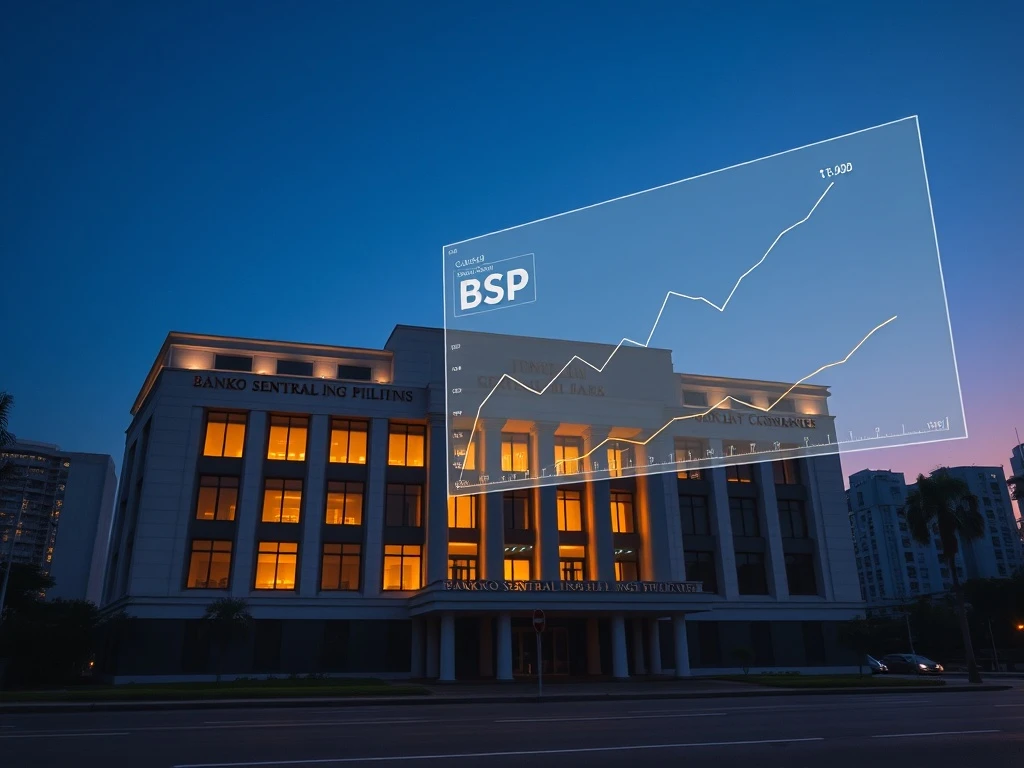
MANILA, PHILIPPINES — March 15, 2026: The Bangko Sentral ng Pilipinas (BSP) faces mounting pressure on its monetary policy trajectory as oil-driven inflation complicates the central bank’s rate path, according to fresh analysis from Mitsubishi UFJ Financial Group (MUFG). Global energy price volatility, particularly Brent crude’s 18% surge since January, now threatens to derail the Philippines’ disinflation progress. Consequently, BSP Governor Eli Remolona and the Monetary Board confront difficult decisions ahead of their scheduled April 3 policy meeting. This development arrives amid already elevated domestic price pressures and a peso trading near critical support levels against the dollar.
Oil Price Surge Reshapes Philippine Inflation Landscape
MUFG’s Asia-Pacific research team, led by senior economist Jeff Ng, published their assessment this morning. The report details how Brent crude’s climb to $94 per barrel—its highest level since November 2024—directly impacts the Philippine Consumer Price Index (CPI). Transportation and electricity costs, which together comprise approximately 15% of the CPI basket, show immediate sensitivity to energy movements. Furthermore, manufacturing input costs are rising as petroleum derivatives become more expensive. “The BSP’s rate path now faces headwinds from external supply-side pressures,” Ng stated in the analysis. “While domestic demand shows signs of moderation, imported inflation via energy channels presents a policy dilemma.”
Historical context underscores the challenge. The Philippines imports over 90% of its crude oil requirements, making it exceptionally vulnerable to global price swings. During the 2022-2023 inflation crisis, oil and transportation inflation peaked at 14.6% year-on-year. Although current readings remain lower, the recent upward trajectory mirrors concerning patterns. The BSP’s own February inflation forecast acknowledged “upside risks” from transport fares and electricity rates, but the March data due next week may exceed those projections.
Three Immediate Impacts on Monetary Policy and Economy
The oil-driven inflation shock transmits through multiple channels, each complicating the BSP’s policy calculus. First, it threatens to keep headline inflation above the government’s 2-4% target band for longer than anticipated. Second, it pressures the peso through both the import bill and potential capital flow reactions. Third, it risks embedding higher inflation expectations among businesses and consumers.
- Policy Rate Dilemma: The BSP must weigh supporting economic growth against anchoring inflation expectations. Raising rates could cool demand but wouldn’t address supply-side oil shocks. Holding rates risks perceived policy inertia.
- Peso Vulnerability: A wider trade deficit from costlier oil imports pressures the currency. A weaker peso, in turn, makes all imports—including oil—more expensive, creating a feedback loop.
- Sectoral Disruption: Transportation, logistics, and energy-intensive manufacturing face immediate margin compression. Jeepney operators and transport groups have already filed petitions for fare increases with the Land Transportation Franchising and Regulatory Board.
MUFG’s Expert Assessment and Institutional Response
MUFG’s analysis references the BSP’s recent communications and compares them with regional peers. “The BSP has maintained a data-dependent stance, but the data is turning unfavorable,” the report notes. The financial group points to the central bank’s February meeting minutes, which highlighted monitoring “second-round effects” from commodity prices. Meanwhile, other ASEAN central banks face similar pressures. Bank Indonesia held rates steady last week while emphasizing vigilance on food and energy prices. The U.S. Federal Reserve’s upcoming decisions also factor heavily, as wider interest rate differentials could trigger portfolio rebalancing away from emerging markets like the Philippines.
For authoritative context, the report cites the International Energy Agency’s (IEA) March Oil Market Report, which revised its 2026 demand growth forecast upward due to stronger-than-expected industrial activity in Asia. This external source provides the global backdrop against which the BSP operates. Additionally, MUFG analysts consulted with former BSP Deputy Governor Diwa Guinigundo, who emphasized the importance of communication in managing expectations during supply shocks.
Historical Comparison and Regional Context
Current conditions invite comparison with previous inflation episodes. The 2022 crisis was broader, involving food, energy, and post-pandemic demand surges. Today’s scenario is more narrowly focused on energy but occurs alongside lingering food inflation from weather disruptions. The table below contrasts key indicators from the peak of the 2022 crisis with current trends and the BSP’s stated comfort zones.
| Indicator | Oct 2022 Peak | Feb 2026 Reading | BSP Target/Comfort Zone |
|---|---|---|---|
| Headline Inflation | 7.7% | 4.2% | 2.0% – 4.0% |
| Transport Inflation | 14.6% | 5.8% | N/A |
| BSP Policy Rate | 5.0% | 4.5% | Data Dependent |
| Peso/USD | 59.20 | 56.85 | Stable, market-determined |
Regionally, the Philippines’ inflation challenge sits between Indonesia’s relative stability (3.1% February inflation) and Thailand’s deflationary trend (-0.4%). This divergence reflects differing energy subsidy policies, currency movements, and domestic demand conditions. Vietnam, another net oil importer, has also seen inflation tick up to 4.0%.
Forward-Looking Analysis: The BSP’s April Decision and Beyond
All eyes now turn to the BSP’s April 3 Monetary Board meeting. Market pricing, as reflected in the Philippine Dealing System overnight index swaps, shows a 40% probability of a 25-basis-point rate hike, up from just 15% two weeks ago. The central bank will receive March inflation data on April 5, just after its decision, adding uncertainty. Most analysts expect a “hawkish hold”—keeping rates steady but issuing strong guidance about readiness to act. The BSP may also emphasize non-monetary measures, including continued coordination with the Department of Energy on inventory management and potential temporary fuel subsidies for vulnerable sectors.
The second quarter of 2026 will prove critical. The summer dry season typically increases electricity demand for cooling, putting further pressure on power generation costs. Meanwhile, geopolitical tensions in key oil-producing regions show no signs of abating. The BSP’s next inflation forecast round in May will incorporate these factors and likely show an upward revision to the 2026 average inflation projection, currently at 3.6%.
Stakeholder Reactions and Market Response
Business groups have expressed cautious concern. The Philippine Chamber of Commerce and Industry called for “targeted and temporary” measures to shield micro, small, and medium enterprises from input cost spikes. Conversely, the Bankers Association of the Philippines emphasized the importance of maintaining price stability to preserve purchasing power and savings. In financial markets, the peso weakened slightly following the MUFG report’s circulation, while yields on 10-year government bonds edged up 5 basis points. Equity markets showed mixed reactions, with energy companies gaining while consumer discretionary stocks declined.
Conclusion
The BSP’s rate path has indeed grown more complicated, as MUFG’s analysis clearly outlines. Oil-driven inflation represents a classic policy challenge: a supply-side shock that monetary tools cannot directly fix. The Bangko Sentral ng Pilipinas must now navigate between demonstrating resolve against price instability and avoiding unnecessary damage to economic growth. Its communication in the coming weeks will be as important as its policy actions. Investors, businesses, and households should prepare for a period of heightened volatility in inflation readings and central bank rhetoric. The ultimate test will be whether the BSP can prevent temporary energy price spikes from becoming entrenched in broader inflation expectations—a task that requires both policy skill and a measure of luck in global markets.
Frequently Asked Questions
Q1: What exactly does MUFG’s report say about BSP policy?
The MUFG analysis argues that rising global oil prices are complicating the Bangko Sentral ng Pilipinas’ planned monetary policy trajectory, potentially forcing a reassessment of the timing and pace of any future interest rate adjustments.
Q2: How does oil price inflation affect ordinary Filipinos?
Higher oil prices directly increase transportation costs (jeepney fares, tricycle fares, fuel for private vehicles) and electricity bills. They also indirectly raise prices for goods transported around the country, contributing to broader consumer price inflation.
Q3: When will the BSP make its next interest rate decision?
The Monetary Board’s next scheduled policy meeting is on April 3, 2026. The decision will be announced that afternoon, followed by a press briefing from BSP Governor Eli Remolona.
Q4: Can the BSP control oil prices?
No. The BSP cannot control global commodity prices. Its tools (interest rates, reserve requirements) work on domestic demand and financial conditions. It can only respond to the inflationary consequences of oil price moves.
Q5: How does this situation compare to the 2022 inflation crisis?
The current pressure is more narrowly focused on energy, whereas 2022 saw simultaneous surges in food, energy, and post-pandemic demand. However, the mechanism—imported inflation weakening the peso—is similar.
Q6: What should businesses watch for in the coming weeks?
Businesses should monitor the March inflation data (due April 5), the BSP’s April 3 decision and guidance, and any announcements from the Department of Energy regarding strategic fuel reserves or coordination with oil companies.