
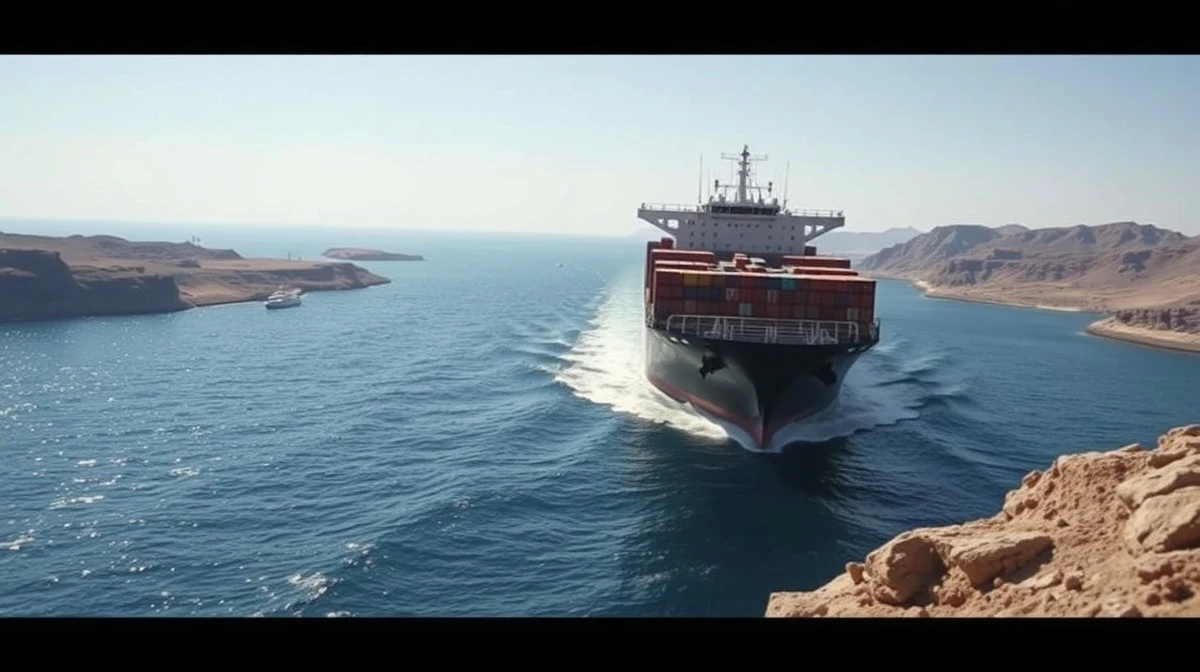
March 30, 2026 — A group of Chinese commercial vessels has reportedly withdrawn from the Strait of Hormuz following warnings from Iranian authorities, according to maritime security analysts and shipping data. This move is seen as unusual given the close political and economic ties between Beijing and Tehran.
Reported Withdrawal from Key Waterway
Data from maritime tracking services showed several vessels affiliated with Chinese shipping companies altering course away from the strait in recent days. The Strait of Hormuz is a vital global chokepoint for oil shipments, with about one-fifth of the world’s seaborne crude oil passing through it. The reported retreat follows public statements from Iranian military officials reiterating control over the waterway and warning against unauthorized maritime activity.
Also read: Thieves Steal 12 Tons of KitKat Bars in Europe
“We observed a noticeable change in traffic patterns for certain flagged vessels,” an analyst with the security firm Dryad Global told Reuters, which first reported the movement. The analyst, who was not named in the report, cited radio communications and positional data. Official confirmation from the Chinese government has not been immediately forthcoming.
A Test for the Strategic Partnership
The incident presents a delicate situation for both nations. China is Iran’s largest trading partner and a key buyer of its oil. In 2021, the two countries signed a 25-year strategic cooperation agreement. Despite this partnership, Iran has consistently asserted its sovereignty over adjacent waters, sometimes leading to confrontations with foreign military and commercial ships.
Also read: Long TSA Lines Spark Passenger Frustration, Political Debate
This action suggests that even a close ally like China is not exempt from Tehran’s enforcement posture. Industry watchers note that the implicit compliance by Chinese commercial interests is significant. It underscores Iran’s determination to project authority in its coastal regions. The implication is that regional tensions, often focused on Western powers, can also affect other major stakeholders.
What this means for shipping firms is increased operational risk assessment. Companies must now weigh diplomatic relationships against the immediate directives of local authorities.
Broader Regional Context
The Strait of Hormuz has been a flashpoint for decades. It sits between Iran and Oman, with Iranian territorial waters covering parts of the shipping lanes. The U.S. Navy’s Fifth Fleet is based in Bahrain, directly across the Persian Gulf, and frequently conducts patrols. This has created a persistent atmosphere of military readiness.
Analysts point to a pattern of Iranian seizures or harassment of vessels in recent years, often linked to ongoing diplomatic disputes. The reported warning to Chinese ships fits this pattern of assertive maritime control. However, targeting a partner’s commercial fleet is a notable escalation. This could signal that Iran’s internal security calculations are prioritizing territorial control over all other considerations, including economic partnerships.
For more context on the strategic importance of the Strait of Hormuz, see this U.S. Energy Information Administration analysis.
What Happens Next?
The immediate focus is on whether this is a temporary, precautionary move or the start of a more sustained shift. Shipping companies will be watching for clearer guidance from both Iranian and Chinese officials. A prolonged diversion of Chinese commercial traffic would increase costs and complicate logistics for one of the world’s largest trading nations.
Longer term, the event may prompt private discussions between Beijing and Tehran. China has significant investments in Iranian energy and infrastructure. Protecting those assets requires stable transit routes. The reported withdrawal shows that stability cannot be taken for granted. Market data from BP’s Statistical Review highlights the strait’s continued dominance in global energy flows, making any disruption a global concern.
The next steps will likely involve diplomatic channels working to clarify rules of passage. Until then, the waters remain uncertain.

This article was produced with AI assistance and reviewed by our editorial team for accuracy and quality.



