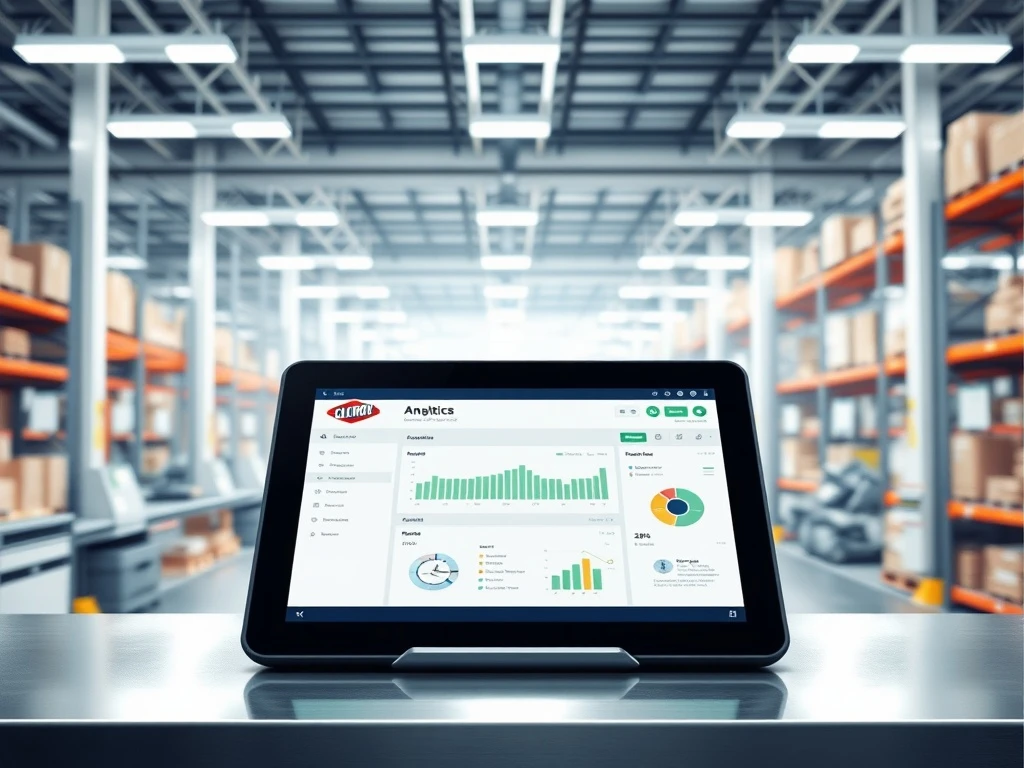
OAKLAND, Calif. — March 10, 2026 — The Clorox Company (NYSE: CLX) has officially completed the final phase of its ambitious, multi-year U.S. enterprise resource planning (ERP) system implementation, marking a critical milestone in the consumer goods giant’s digital transformation journey. Management now faces the pivotal task of leveraging this modernized technological foundation to accelerate operational efficiency across its sprawling supply chain and demand planning operations. This strategic push comes as the company navigates a dynamic consumer environment and intensifying competition, with the upgraded digital infrastructure positioned as a key driver for margin resilience and sustainable growth. The completion, confirmed by company officials this week, concludes a complex transition designed to replace legacy systems with a more integrated operating platform.
Clorox’s ERP Implementation: A Foundation for Digital Efficiency
The finalized ERP rollout represents the culmination of a strategic initiative launched several years ago to overhaul Clorox’s core operational software. According to statements from the company’s leadership, the new system creates a unified data environment, replacing fragmented legacy platforms that previously hampered cross-functional visibility. Consequently, departments from procurement to logistics now operate from a single source of truth. This integration is expected to streamline processes that were once manual and error-prone. For instance, demand forecasting can now incorporate real-time sales data alongside supply chain constraints, enabling more accurate production planning. The company’s Chief Information Officer emphasized in a recent industry briefing that the platform is not merely an IT upgrade but a fundamental redesign of their operational workflow.
Historically, consumer packaged goods companies like Clorox have relied on patchworks of systems accumulated through decades of growth and acquisition. This digital fragmentation often leads to inefficiencies in inventory management, delayed response to market shifts, and higher operational costs. Clorox’s project directly targets these pain points. The timeline shows planning began in earnest in the early 2020s, with phased rollouts across different business units and geographic regions leading to this final U.S. implementation phase. The transition, while creating documented near-term disruptions as teams adapted to new processes, is now viewed internally as a necessary step to compete in an increasingly data-driven retail landscape.
Quantifying the Potential Impact on Operations and Margins
If successfully leveraged, Clorox’s digital investments could translate into measurable improvements across key financial and operational metrics. Analysts point to several areas where efficiency gains are most likely to materialize. First, enhanced supply chain visibility should reduce costly stock-outs and excess inventory, directly improving working capital efficiency. Second, data-driven revenue growth management tools could optimize pricing and promotional strategies, protecting brand value and profitability. Finally, automated back-office processes may lower administrative costs as a percentage of sales over time.
- Supply Chain Optimization: The integrated platform provides end-to-end visibility from raw materials to retail shelves. This allows for more responsive adjustments to transportation delays, production issues, or sudden spikes in demand for products like disinfecting wipes.
- Margin Resilience: With better data on commodity costs, manufacturing yields, and distribution expenses, Clorox can make more informed decisions to mitigate inflationary pressures, a persistent challenge for the sector.
- Innovation Acceleration: A streamlined operational backbone can reduce the time and cost to launch new products. Digital tools can also analyze consumer feedback and sales data faster, guiding R&D toward higher-potential innovations.
Expert Analysis on Digital Transformation in CPG
Industry observers note that Clorox is part of a broader wave of digital modernization sweeping the consumer goods sector. “The completion of a core ERP implementation is a foundational step, but the real value is captured in the years that follow,” stated Dr. Elena Rodriguez, a supply chain technology professor at Stanford Graduate School of Business. “Companies that effectively use the data from these systems to drive predictive analytics and automate decision-making see the greatest returns on investment.” Rodriguez’s research, cited in the Journal of Operations Management, indicates that successful digital transformations in CPG can lead to a 3-5% improvement in operating margins within three to five years post-implementation. She cautions, however, that the technology itself is an enabler; the cultural shift toward data-driven decision-making is often the greater hurdle.
Broader Context: Digital Arms Race in Consumer Goods
Clorox’s push mirrors strategic moves by its peers, setting the stage for a new era of competition based on operational agility and data intelligence. While companies like Procter & Gamble and Unilever have been investing heavily in digital for years, the mid-tier players are now catching up. The table below compares recent digital initiatives focused on operational efficiency among key competitors.
| Company | Key Digital Initiative | Stated Operational Goal |
|---|---|---|
| The Clorox Company (CLX) | Full U.S. ERP Implementation | Integrated data platform for supply chain & demand planning |
| Colgate-Palmolive (CL) | AI-driven Demand Sensing | Reduce forecast error and improve service levels |
| Kenvue (KVUE) | Digital Supply Chain Twin | Simulate and optimize logistics network in real-time |
This competitive landscape means that efficiency gains are not just about internal improvement but about maintaining relative pace. Retailers like Walmart and Amazon continue to raise the bar for supply chain speed and data integration, putting pressure on suppliers to keep up. A modern digital backbone is increasingly a table-stake requirement for securing premium shelf space and participating in key retail programs.
The Road Ahead: Leveraging the Digital Foundation
With the ERP technical implementation complete, Clorox’s focus shifts to the adoption and optimization phase. Company leadership has outlined several priorities for the coming quarters. First, they plan to roll out advanced analytics modules to functional teams, training employees to interpret data and act on insights. Second, they will explore deeper integrations with key retail partners’ systems to enable seamless electronic data interchange. Finally, the company intends to continue investing in complementary technologies, such as Internet of Things (IoT) sensors in manufacturing plants, to feed more real-time data into the central platform. These steps are designed to move from having a modern system to achieving a digitally-enabled operating model.
Investor and Market Reactions
The financial community has responded with cautious optimism. While Clorox shares have outperformed its industry peer group over the past three months, gaining 10.2%, analysts primarily maintain a “Hold” rating, reflecting a wait-and-see approach regarding the tangible financial benefits. The Zacks Consensus Estimate projects a decline in earnings for the current fiscal year, partly due to investments and transition costs, followed by a anticipated rebound of 15.3% the following year. This trajectory suggests that analysts are modeling for near-term investment drag giving way to longer-term efficiency gains. The company’s forward P/E ratio of 17.33X, slightly below the industry average, indicates the market has not yet priced in significant upside from the digital transformation, presenting a potential opportunity if execution proves successful.
Conclusion
Clorox’s completion of its enterprise-wide ERP implementation marks a significant turning point in its operational strategy. The potential for this digital foundation to accelerate efficiency is substantial, targeting improvements in supply chain responsiveness, cost management, and innovation speed. However, the technology itself is only the first step. The company’s ability to cultivate data literacy, break down organizational silos, and continuously adapt its processes will determine whether this substantial investment translates into a durable competitive advantage and the improved margin resilience that management forecasts. Investors and industry watchers will now monitor key metrics like inventory turnover, supply chain costs as a percentage of sales, and new product launch cycle times for evidence that the digital push is delivering on its promise to streamline operations and fuel growth in the challenging consumer goods landscape of 2026 and beyond.
Frequently Asked Questions
Q1: What exactly did Clorox complete in its digital transformation?
Clorox has completed the final U.S. phase of a multi-year project to implement a modern, integrated Enterprise Resource Planning (ERP) system. This new software platform is designed to replace older, disconnected systems and create a unified digital foundation for operations across supply chain, finance, and planning.
Q2: How could this ERP system improve Clorox’s operational efficiency?
The system aims to improve efficiency by providing real-time, integrated data across the company. This can lead to better demand forecasting, reduced excess inventory, more optimized production schedules, and faster, data-driven decision-making, all of which can lower costs and improve service levels.
Q3: What is the expected timeline for seeing financial benefits from this investment?
While the system is now operational, realizing full financial benefits often takes several quarters. Analysts project near-term costs may pressure earnings, with more significant efficiency gains and margin improvement expected to materialize in the 2027 fiscal year and beyond.
Q4: Is Clorox behind other consumer goods companies in digital transformation?
Clorox is part of a broad industry trend. While some larger peers began major digital initiatives earlier, Clorox’s completion of a full-scale ERP modernization places it competitively, especially among mid-tier CPG companies, in building a necessary foundation for future advanced analytics and automation.
Q5: What are the main risks to Clorox’s digital push achieving its goals?
Key risks include employee adoption challenges, the complexity of managing change across a large organization, potential cybersecurity threats to the new system, and the ability to effectively integrate the new platform with external partners like retailers and suppliers.
Q6: How does this affect the average consumer or shopper?
Over time, consumers could experience more consistent product availability on store shelves, fewer out-of-stock situations for popular items, and potentially faster innovation cycles leading to new or improved products from Clorox’s brands.