
March 25, 2026 — Cocoa futures prices retreated sharply, hitting their lowest levels in over two weeks. The decline was driven by improving weather conditions for the key West African crop and a significant build-up in exchange-monitored inventories.
Market Movement and Key Drivers
May ICE NY cocoa futures fell sharply in trading. May ICE London cocoa #7 futures also posted significant losses. Prices reached their lowest point since early March. Analysts pointed to two immediate pressures: a stronger U.S. dollar, which makes dollar-priced commodities more expensive for holders of other currencies, and a more favorable outlook for cocoa harvests in West Africa.
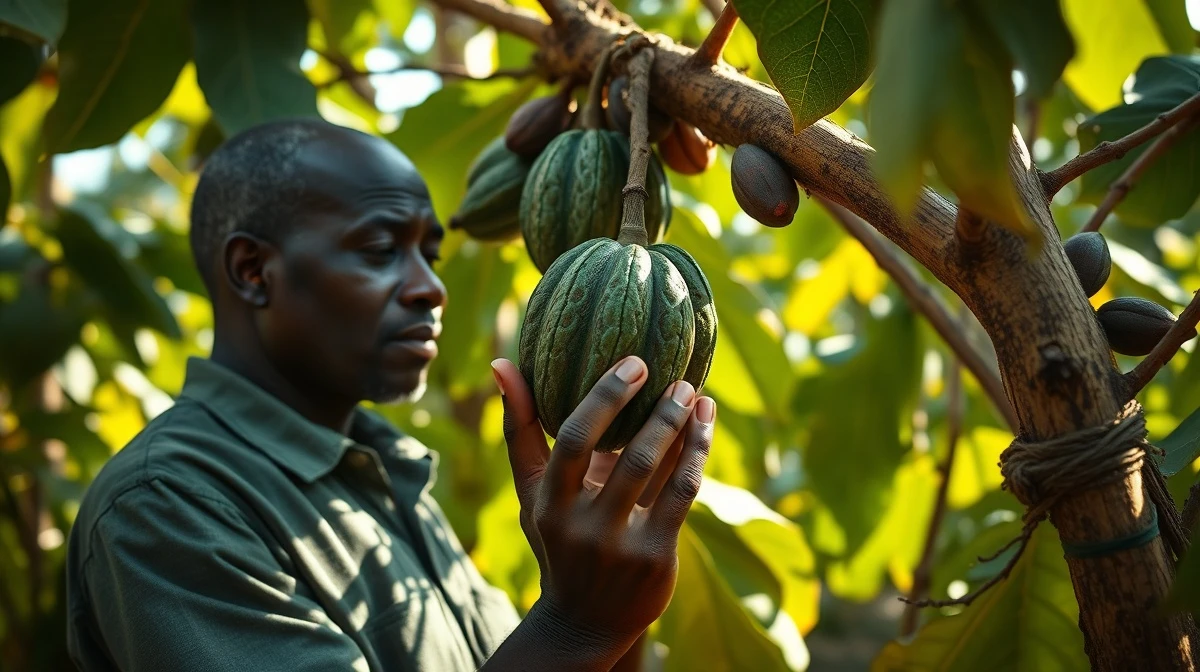
Farmers in Ivory Coast and Ghana, which together produce more than half of the world’s cocoa, reported that consistent recent rains have boosted pod development. This weather pattern has alleviated some concerns about crop yields that had supported prices earlier in the season.
Supply Data Weighs on Sentiment
Ample visible supplies added downward pressure. ICE-monitored cocoa inventories rose to a multi-month high this week. This build-up indicates sufficient physical stock to meet near-term demand.
Official actions in the producing nations have also signaled expectations of larger supplies. Last month, Ghana reduced the official price it pays to cocoa farmers by nearly 30% for the current growing season. Ivory Coast announced it would implement a substantial cut to farmer pay for the mid-crop harvest that began this month. These adjustments are typically made in anticipation of larger crop volumes or lower global prices.
Demand Concerns Persist
Consumer resistance to high chocolate prices continues to undermine demand. Barry Callebaut AG, the world’s largest bulk chocolate maker, reported a steep decline in sales volume in its cocoa division for its last quarter. The company cited “negative market demand” as a primary factor.
Regional cocoa grinding data, a key indicator of demand, has shown weakness. The European Cocoa Association reported that fourth-quarter 2025 grindings fell significantly year-over-year, marking the lowest Q4 volume in 12 years. Asian grindings also declined, while North American processing showed only marginal growth.
Conflicting Supply Forecasts
The global supply picture contains mixed signals from different forecasting bodies. The International Cocoa Organization (ICCO) recently raised its estimate for the global cocoa surplus in the 2024/25 season. This marks the first projected surplus in four years, with the ICCO citing an increase in global production.
Conversely, Ivory Coast has projected its own 2025/26 production will decline year-over-year. Rabobank also reduced its forecast for the global cocoa surplus in the current season. Looking further ahead, other analysts have projected continued surpluses for the coming seasons.
Other factors provided some underlying support but failed to offset the bearish sentiment. Geopolitical tensions affecting shipping routes have raised costs for importers. Cocoa deliveries to ports in Ivory Coast are running slightly behind last year’s pace. Additionally, Nigeria, the world’s fifth-largest producer, reported a year-over-year increase in December export volumes, though its industry association projects a production decline for the full 2025/26 crop year.
For more information on commodity market data, visit the Intercontinental Exchange product listings. Historical cocoa statistics are available from the International Cocoa Organization.
This article was produced with AI assistance and reviewed by our editorial team for accuracy and quality.



