
March 25, 2026 — Cocoa futures prices sold off sharply on Wednesday, hitting their lowest levels in two and a half weeks. The decline was driven by a combination of a stronger U.S. dollar and an improving supply outlook from key West African growing regions.
Market Moves and Key Drivers
May ICE NY cocoa futures (CCK26) closed down 102 points, or 3.15%. May ICE London cocoa #7 futures (CAK26) fell 74 points, or 3.08%. Analysts pointed to several bearish factors converging on the market. A stronger dollar index made dollar-denominated commodities like cocoa more expensive for holders of other currencies, applying downward pressure.
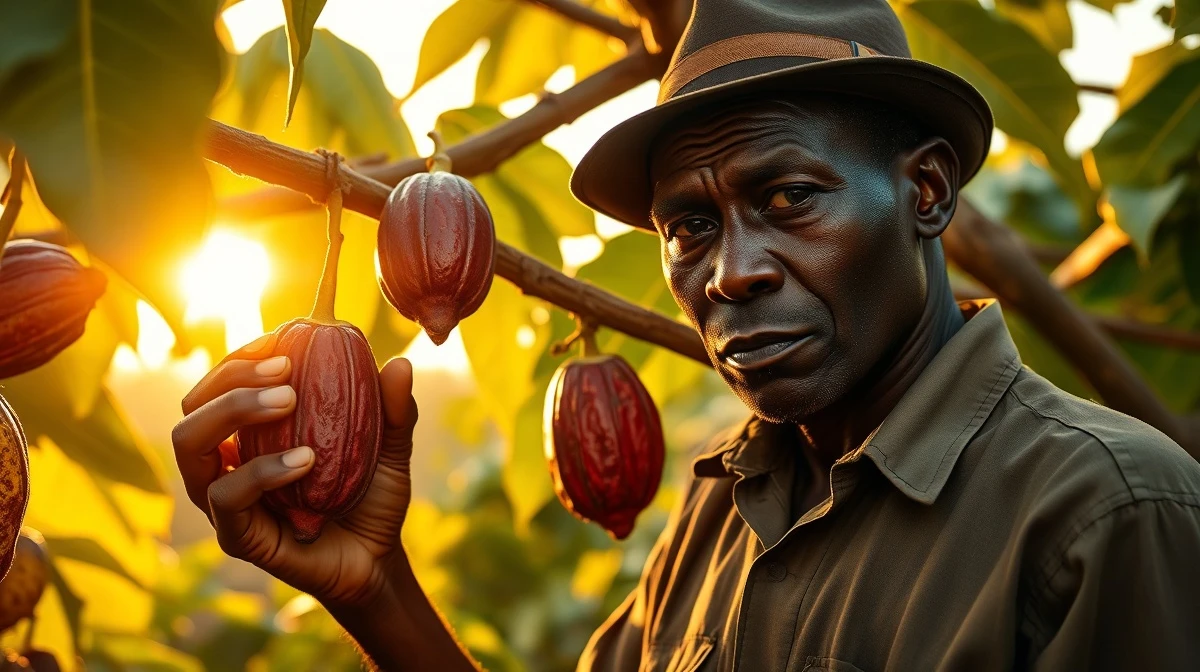
More significantly, weather conditions in West Africa have turned favorable. Farmers in Ivory Coast and Ghana, which together produce over half the world’s cocoa, report that consistent rains have boosted pod development on cocoa trees. This points toward a potentially bumper crop, easing previous supply concerns that had supported prices.
Inventory Build and Farmer Price Cuts
Ample near-term supplies are also weighing on the market. ICE-monitored cocoa inventories rose to a 7.75-month high of 2,349,227 bags as of Wednesday. This physical overhang provides a tangible counterpoint to bullish narratives.
Recent government actions in the top producing nations have further signaled an expectation of increased supply. Last month, Ghana cut the official farmgate price paid to its cocoa farmers by nearly 30% for the 2025/26 growing season. Ivory Coast announced it would cut its cocoa farmer pay by 57%, a reduction set to take effect for the mid-crop harvest that began this month.
Demand Concerns Persist
On the demand side, consumers continue to resist high chocolate prices. Evidence of this pressure emerged in recent corporate and industry reports. Barry Callebaut AG, the world’s largest bulk chocolate maker, reported a 22% decline in sales volume in its cocoa division for the quarter ending November 30. The company cited “negative market demand.”
Regional cocoa grinding data, a key indicator of demand, has shown weakness. The European Cocoa Association reported that Q4 2025 European grindings fell 8.3% year-over-year to 304,470 metric tons. This was the lowest Q4 volume in 12 years. The Cocoa Association of Asia reported a 4.8% year-over-year decline in Q4 Asian grindings.
Bullish and Bearish Forecasts Diverge
Market forecasts present a mixed picture, reflecting ongoing uncertainty. On a supportive note, Rabobank cut its forecast for the global 2025/26 cocoa surplus in February. The bank now expects a 250,000 metric ton surplus, down from a November forecast of 328,000 metric tons.
Conversely, the International Cocoa Organization (ICCO) raised its estimate for the 2024/25 global cocoa surplus to 75,000 metric tons in a March 2 report. This was up from a November forecast of 49,000 tons and marked the first surplus in four years. The ICCO estimated global production for 2024/25 climbed 8.4% year-over-year to 4.7 million metric tons.
Logistical and Regional Factors
Some factors have provided intermittent support to prices in recent weeks. The closure of the Strait of Hormuz has disrupted fertilizer supplies and raised global shipping costs, increasing import expenses for cocoa buyers. Slower deliveries to ports in Ivory Coast have also been noted. Cumulative data showed farmers shipped 1.39 million metric tons to ports from October 1, 2025, through March 22, 2026, down 2.8% from the same period a year prior.
Higher exports from Nigeria, the world’s fifth-largest producer, have added to supply. Nigerian cocoa exports in December 2025 rose 17% year-over-year to 54,799 metric tons, according to a Bloomberg report from February.
Analysts will watch upcoming crop reports and grinding data for further direction. The market remains balanced between improved physical supply prospects and persistent questions about consumer demand elasticity at elevated price levels. For real-time commodity data and analysis, visit the ICE Futures market data reports or review official crop forecasts from the International Cocoa Organization.
This article was produced with AI assistance and reviewed by our editorial team for accuracy and quality.



