
March 20, 2026 — Cocoa futures fell sharply in New York and London trading, pressured by a stronger U.S. dollar and reports of improving growing conditions in key West African producing nations. The decline pushed New York cocoa to a two-week low.
Market Pressure from Currency and Weather
May ICE NY cocoa futures (CCK26) closed down 1.86%, while May ICE London cocoa #7 (CAK26) fell 1.30%. Analysts cited the stronger U.S. Dollar Index ($DXY) as a primary headwind, making dollar-denominated commodities like cocoa more expensive for holders of other currencies.
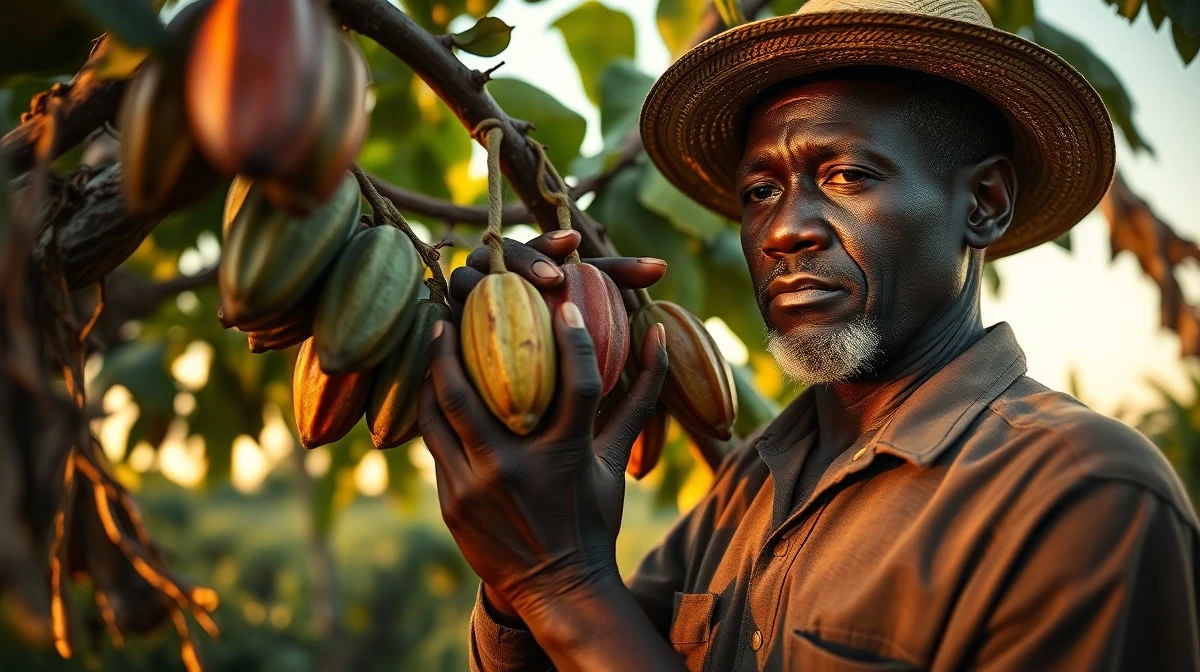
Concurrently, weather reports from the Ivory Coast and Ghana indicated consistent rains that have boosted pod development. These two nations collectively produce more than half of the world’s cocoa. The improved weather pattern has alleviated some concerns over crop yields that had previously supported prices.
Inventory Build and Regional Price Cuts
Ample immediate supply is also weighing on the market. ICE-monitored cocoa inventories rose to 2,314,981 bags, marking a 7.5-month high. This build in stockpiles suggests sufficient available supply to meet near-term demand.
Government actions in producing nations have further influenced the market. Last month, Ghana reduced the official farmgate price for cocoa farmers by nearly 30% for the 2025/26 season. The Ivory Coast followed by announcing a 57% cut for its mid-crop harvest, which began in March. These cuts are designed to align official prices with lower global market levels and reduce pressure on local grinders and exporters.
Demand Concerns Persist
Consumer resistance to high chocolate prices continues to suppress demand. Barry Callebaut AG, the world’s largest bulk chocolate maker, reported a 22% year-over-year sales volume decline in its cocoa division for the quarter ending November 30. The company cited “negative market demand.”
Regional cocoa grinding data underscores this weakness. The European Cocoa Association reported Q4 2025 grindings fell 8.3% year-over-year to 304,470 metric tons, the lowest Q4 volume in 12 years. The Cocoa Association of Asia reported a 4.8% decline for the same quarter. North American grindings saw only a marginal 0.3% increase.
Conflicting Supply Forecasts
Market forecasts present a mixed picture for future supply and demand balances. On a bearish note, the International Cocoa Organization (ICCO) in early March raised its estimate for the global 2024/25 season cocoa surplus to 75,000 metric tons. This represents the first production surplus in four years.
Other analysts project larger future surpluses. StoneX forecasted in late January a global surplus of 287,000 metric tons for the 2025/26 season. However, Rabobank reduced its 2025/26 surplus forecast in February to 250,000 metric tons from a prior estimate of 328,000 metric tons, citing tighter conditions than initially expected.
National projections also vary. The Ivory Coast forecasts its 2025/26 production will fall 10.8% year-over-year. Conversely, Nigeria reported its December cocoa exports rose 17% year-over-year, even as its Cocoa Association projects an 11% annual decline in total 2025/26 production.
What’s Next for Cocoa Markets
Traders are monitoring port delivery data from West Africa and global shipping costs for further signals. Recent data showed Ivory Coast port arrivals for the current marketing year are down 2.8% from the prior year. Furthermore, geopolitical tensions affecting the Strait of Hormuz have raised global shipping and insurance rates, potentially increasing import costs for cocoa buyers.
The market’s direction will likely hinge on the confirmed size of the mid-crop harvest in West Africa and whether consumer demand shows signs of recovery at lower price points. For ongoing analysis, refer to data from the International Cocoa Organization and commodity market reports.
This article was produced with AI assistance and reviewed by our editorial team for accuracy and quality.



