
Coffee Futures Rally on Supply Chain Concerns
Global coffee prices climbed sharply on March 20, 2026, as the closure of a critical shipping lane disrupted supply chains. May arabica coffee futures rose nearly 3%, reaching a 1.5-month high, while robusta futures also gained ground. Analysts attribute the rally primarily to logistical bottlenecks rather than a fundamental shortage of beans.
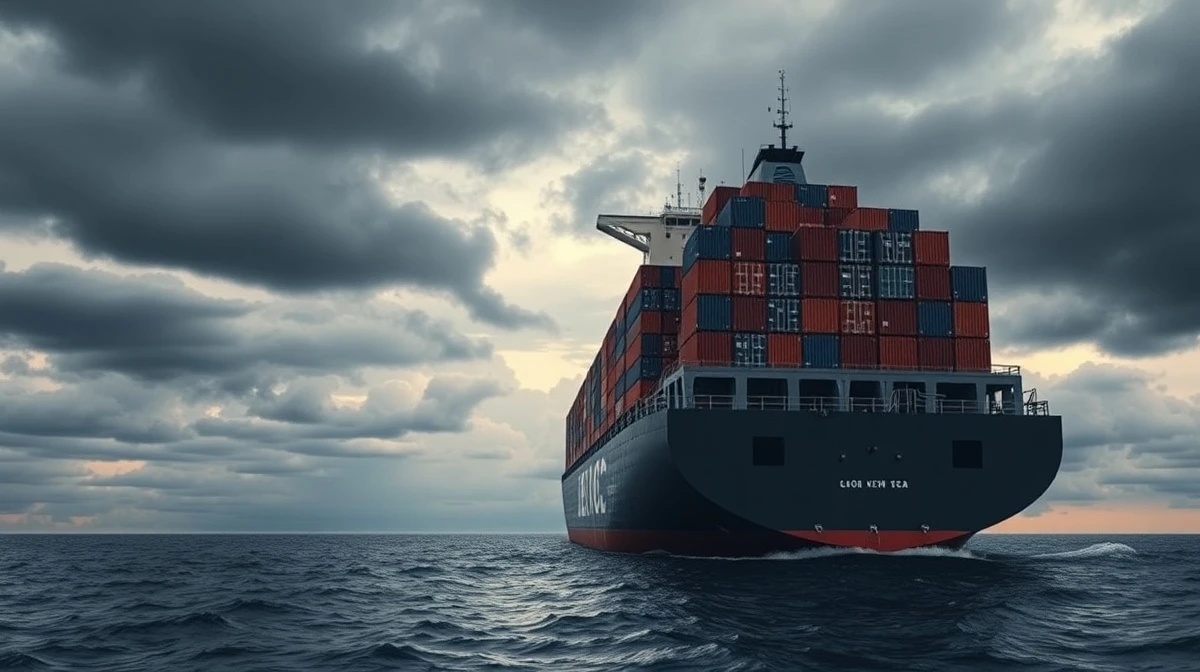
The Strait of Hormuz, a vital waterway for global trade, has been closed, according to market reports. This event has increased shipping rates, insurance costs, and fuel expenses, raising costs for coffee importers and roasters worldwide. The disruption comes amid conflicting signals for global coffee supply.
“The market is reacting to immediate transportation risks,” noted a commodity analyst, referencing the shipping news. “While physical supplies are projected to be ample, getting beans to market has suddenly become more expensive and uncertain.”
Bullish and Bearish Factors Collide
Supporting prices further, ICE-monitored robusta coffee inventories fell to a two-month low of 4,257 lots. However, arabica stockpiles tell a different story, having risen to a 5.75-month high earlier in the week. This divergence highlights the complex dynamics between the two main coffee varieties.
On the bearish side, weather conditions in Brazil, the world’s top coffee producer, have improved. Abundant rains in the key growing region of Minas Gerais recently eased concerns about crop stress. Furthermore, analysts project a potentially record harvest.
Commodity firm StoneX raised its estimate for Brazil’s 2026/27 coffee production to a record 75.3 million bags. This updated forecast, issued in recent weeks, represents a significant increase from its previous November estimate.
Export Data Shows Mixed Signals
Recent trade figures add another layer of complexity. Brazil’s green coffee exports in February fell 27% year-over-year to 2.3 million bags, according to the country’s Coffee Exporters Council (Cecafe). A separate report from Brazil’s Trade Ministry showed total coffee exports for the month down 17.4%.
Conversely, Vietnam, the largest robusta producer, reported a 14% increase in coffee exports for the first two months of 2026 compared to the same period last year. The country’s 2025 exports had already jumped 17.5% year-over-year.
Long-Term Supply Outlook Remains Robust
Despite the current price spike driven by logistics, several major institutions forecast ample global coffee production for the coming season. In early March, Rabobank projected global output would reach a record 180 million bags in the 2026/27 season.
This aligns with a bi-annual report from the USDA’s Foreign Agriculture Service from December. That report projected world coffee production in 2025/26 would increase 2.0% year-over-year to a record 178.848 million bags.
Brazil’s own crop forecasting agency, Conab, said in early February that the nation’s 2026 coffee production would climb 17.2% to a record 66.2 million bags. The agency provided a detailed breakdown, forecasting arabica production up 23.2% and robusta up 6.3%.
What’s Next for Coffee Markets
Traders are now weighing the short-term shipping crisis against the longer-term prospect of large harvests. The duration of the Strait of Hormuz closure will be a key factor for near-term price direction. Market participants will also monitor weekly ICE inventory reports and weather updates from South America.
For more information on global agricultural trade, see the International Coffee Organization’s official reports. The price volatility underscores coffee’s sensitivity to both geopolitical events and agricultural cycles, with current forces pulling the market in opposite directions.
This article was produced with AI assistance and reviewed by our editorial team for accuracy and quality.



