
NEW YORK, March 10, 2026 — Global crude oil prices experienced a dramatic reversal on Tuesday, plunging nearly 12% from multi-year highs as diplomatic signals suggested a potential quick resolution to the Iran conflict and the G-7 nations prepared a coordinated emergency oil stockpile release. The sharp correction followed Monday’s spike to $119.48 per barrel, the highest level since August 2022, after Israeli airstrikes targeted Iranian oil infrastructure over the weekend. By Tuesday’s close, April WTI crude oil futures settled at $83.45, down $11.32, while gasoline futures fell nearly 6%, reflecting intense market volatility driven by geopolitical developments in the Middle East.
Crude Oil Prices Plunge from 3.75-Year Highs
The crude oil price collapse represents one of the most significant single-day drops since the 2020 pandemic shock. Monday’s peak of $119.48 marked the highest settlement for nearest-month futures since August 2022, creating what analysts now describe as a classic “war premium” bubble. However, the market structure began unraveling Monday afternoon when President Donald Trump, during a White House press conference, responded to questions about the conflict’s duration with uncharacteristic brevity: “I think soon, very soon.” This statement, combined with coordinated messaging from G-7 finance ministers, triggered the initial sell-off that accelerated through Tuesday’s trading session.
Market participants interpreted these developments as potential turning points. Specifically, the G-7 statement declaring readiness to “take necessary measures, including to support the global supply of energy such as stockpile release” provided concrete evidence that consuming nations would not tolerate sustained price spikes. Meanwhile, energy ministers from the seven nations convened Tuesday to operationalize these plans, discussing release volumes and timing mechanisms. The rapid price decline demonstrates how sensitive oil markets remain to both geopolitical rhetoric and strategic petroleum reserve policies, even during active conflict.
Strait of Hormuz Developments and Market Confusion
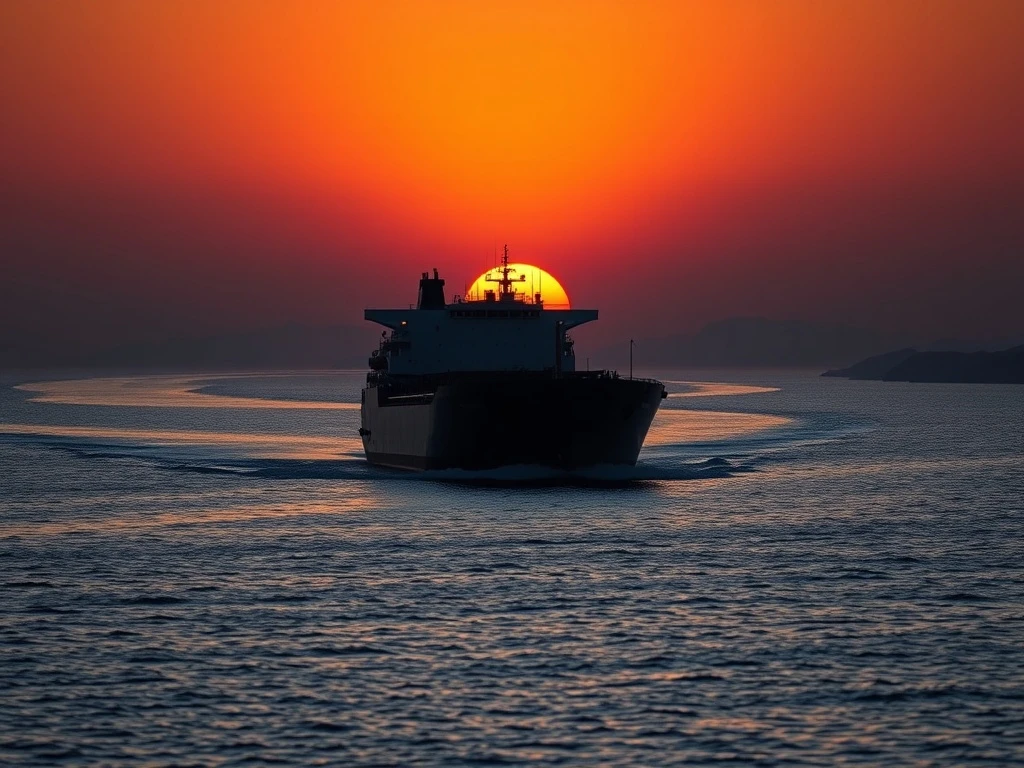
Further volatility emerged from conflicting reports about the critical Strait of Hormuz, the narrow waterway that normally handles approximately 20% of global oil shipments. Prices dropped temporarily Tuesday after U.S. Energy Secretary Chris Wright posted on social media platform X that the U.S. Navy had successfully escorted a commercial tanker through the strait. This development, if confirmed, would have signaled a breakthrough in reopening the vital shipping lane that has been effectively closed since hostilities escalated.
- Market Reaction: The initial report sent prices tumbling as traders priced in improved supply logistics.
- Official Denial: White House Press Secretary Karoline Leavitt later clarified that Wright’s post was “erroneous,” stating no such escort mission had occurred.
- Price Rebound: Following the denial, oil prices recovered partially from their daily lows, though they remained significantly below Monday’s peaks.
The incident highlights the market’s hypersensitivity to transportation security in the region. Currently, Persian Gulf producers have been forced to cut output by roughly 6% as onshore storage facilities reach capacity with nowhere to ship their oil. President Trump has repeatedly stated the U.S. military possesses an escort plan, but its implementation remains pending, leaving approximately 290 million barrels of Russian and Iranian crude stranded in floating storage according to Vortexa analytics data.
Military Escalation Versus Diplomatic Signals
Despite hopeful diplomatic messaging, military actions intensified simultaneously. The Pentagon confirmed Tuesday represented “the most intensive day of bombing yet” against Iranian targets. Furthermore, regional infrastructure attacks continued with an Iranian drone strike halting operations at the Ruwais Industrial Complex, the United Arab Emirates’ largest refinery, due to a resulting fire. The semi-official Iranian Mehr news agency also reported an explosion involving a tanker near Abu Dhabi, though details remained scarce. These conflicting signals—escalating warfare alongside diplomatic optimism—created the perfect conditions for extreme price volatility as traders weighed physical disruptions against potential political solutions.
Broader Market Context and Supply Fundamentals
The price plunge occurs against a complex global supply backdrop. On March 1, OPEC+ announced it would increase crude output by 206,000 barrels per day in April, exceeding analyst expectations of 137,000 bpd. However, this planned production hike now appears unlikely as Middle Eastern producers physically cannot export their oil through the blocked Strait of Hormuz. The cartel continues its long-term effort to restore the 2.2 million bpd production cut implemented in early 2024, with nearly 1.0 million bpd still to return. Ironically, OPEC’s January production actually fell by 230,000 bpd to a five-month low of 28.83 million bpd, demonstrating the gap between policy announcements and ground realities.
| Factor | Bullish Impact | Bearish Impact |
|---|---|---|
| Strait of Hormuz Closure | Reduces immediate exports by ~6% | G-7 stockpile release planned |
| Iranian Infrastructure Damage | Disrupts refining capacity | Trump suggests war ending “soon” |
| Floating Storage | 290 million barrels unavailable | Potential sanction waivers for Russian oil |
| OPEC+ Production | January output at 5-month low | April increase announced (206,000 bpd) |
Meanwhile, the ongoing Russia-Ukraine conflict continues to constrain global supplies. Ukrainian drone and missile attacks have targeted at least 28 Russian refineries over seven months, limiting export capabilities. Since late November, Ukraine has escalated attacks on Russian tankers in the Baltic Sea, with at least six vessels hit. New U.S. and EU sanctions on Russian oil infrastructure have further curbed exports. These persistent disruptions provide underlying support to prices even as Middle Eastern developments dominate headlines.
U.S. Market Dynamics and Inventory Data
Domestic factors also influence the price equation. The Energy Information Administration’s (EIA) most recent weekly report revealed mixed signals. U.S. crude inventories as of February 27 stood 2.7% below the five-year seasonal average, indicating relatively tight supplies. However, gasoline inventories were 4.4% above average, suggesting softer downstream demand. Distillate inventories (including diesel) remained 1.9% below average. U.S. production held steady at 13.696 million bpd, just below November’s record high of 13.862 million bpd. The EIA recently raised its 2026 U.S. production estimate slightly to 13.60 million bpd while increasing energy consumption forecasts.
Baker Hughes’ rig count data adds another dimension. Active U.S. oil rigs increased by four to 411 in the week ended March 6, though this remains just above the 4.25-year low of 406 rigs recorded in December. The current count represents a sharp decline from the 627-rig peak of December 2022, reflecting continued capital discipline among shale producers despite higher prices. This structural limitation on rapid production growth means the U.S. cannot quickly offset major international supply disruptions.
International Energy Agency Assessments
The International Energy Agency (IEA) provided additional context last month by revising its 2026 global crude surplus estimate downward to 3.7 million bpd from 3.815 million bpd. While still indicating ample theoretical supply, this reduction acknowledges ongoing disruptions. The agency’s analysts have consistently warned that spare production capacity resides almost exclusively within the OPEC+ group, particularly Saudi Arabia and the UAE—both nations currently affected by the Strait of Hormuz closure. This geographic concentration of spare capacity creates systemic vulnerability when Middle Eastern logistics face disruption.
What Happens Next: Diplomatic and Market Pathways
The immediate future hinges on several verifiable developments rather than speculation. First, G-7 energy ministers must translate their statement into action, determining release volumes from strategic petroleum reserves across member nations. Historical coordinated releases, like the 2022 effort following Russia’s invasion of Ukraine, involved 60 million barrels initially with another 60 million promised. A similar scale seems probable. Second, the U.S. military’s promised escort plan for the Strait of Hormuz requires implementation to physically reopen the channel. Third, diplomatic efforts to end the Iran conflict will face their next test in upcoming negotiations.
Broader Geopolitical Implications
The situation extends beyond oil markets. The most recent U.S.-brokered Geneva talks between Russia and Ukraine ended prematurely, with President Volodymyr Zelenskiy accusing Russia of deliberately prolonging the war. Moscow maintains that territorial issues remain unresolved, stating there’s “no hope of achieving a long-term settlement” without concessions on Ukrainian land. This stalemate ensures restrictions on Russian oil exports will continue, providing a floor under global prices. Consequently, the oil market finds itself caught between two parallel geopolitical crises—Middle Eastern warfare and Eastern European conflict—each with different dynamics and timelines.
Conclusion
The dramatic crude oil price plunge from $119 to $83 within two days illustrates the extreme volatility characterizing today’s energy markets. While the immediate trigger was diplomatic messaging suggesting a potential quick end to the Iran conflict and coordinated G-7 stockpile releases, underlying fundamentals remain fragile. The physical blockage of the Strait of Hormuz continues to strand millions of barrels, and military actions are intensifying even as diplomats speak of resolution. Market participants should prepare for continued turbulence as these competing narratives—war escalation versus peace prospects—play out simultaneously. The coming days will prove critical, with attention focused on concrete G-7 action, Strait of Hormuz navigation attempts, and whether President Trump’s “soon” prediction materializes into genuine de-escalation.
Frequently Asked Questions
Q1: Why did crude oil prices drop so sharply on March 10, 2026?
Prices plunged nearly 12% primarily due to two factors: President Trump’s statement that the Iran war would end “soon, very soon,” and the G-7 announcement that member nations were preparing a coordinated release of emergency oil stockpiles to stabilize markets.
Q2: What is the current status of the Strait of Hormuz?
The strait remains effectively closed to commercial shipping, forcing Persian Gulf producers to cut output by approximately 6%. Conflicting reports about a U.S. Navy escort mission were denied by the White House, though the administration maintains an escort plan exists.
Q3: How much oil is currently trapped in floating storage?
According to Vortexa analytics data, about 290 million barrels of Russian and Iranian crude are in floating storage on tankers, more than 50% higher than year-ago levels due to sanctions and blockades.
Q4: What are the G-7 nations planning to do about oil prices?
G-7 finance ministers stated they stand ready to “take necessary measures, including to support the global supply of energy such as stockpile release.” Energy ministers met Tuesday to discuss specific volumes and timing for a coordinated strategic petroleum reserve release.
Q5: How does the Russia-Ukraine war affect this situation?
The ongoing conflict continues to constrain global supplies through Ukrainian attacks on Russian refineries and tankers, plus Western sanctions. This provides underlying price support separate from Middle Eastern developments.
Q6: What should consumers expect for gasoline prices?
While crude prices have retreated from peaks, gasoline futures fell only 6% compared to crude’s 12% drop. Continued refinery disruptions in the Middle East and seasonal demand increases mean retail gasoline prices may remain elevated despite the crude correction.
This article was produced with AI assistance and reviewed by our editorial team for accuracy and quality.



