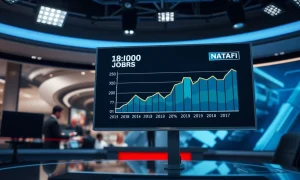
April 6, 2026 — The US Dollar Index (DXY), a key gauge of the dollar’s strength against a basket of major currencies, broke decisively above the 100.00 level. This move follows a better-than-expected US employment report and renewed concerns over global political stability. The index’s climb signals a swift shift in investor sentiment toward the safety of the US currency.
The Data Behind the Rally
Data from the US Bureau of Labor Statistics showed the economy added 275,000 non-farm payrolls in March, surpassing most analyst forecasts. The unemployment rate held steady at 3.8%. Market data from Bloomberg terminals showed the dollar spiked immediately after the 8:30 AM ET release. By midday, the DXY had consolidated gains above 100.20, a level not seen in several weeks.
Also read: WTI Crude Falls Below $104, Retreats from High
Strong jobs numbers reduce the likelihood of near-term interest rate cuts from the Federal Reserve. Higher US rates typically attract foreign capital, boosting demand for dollars. “The market is repricing the Fed’s path,” industry analysts noted. This suggests traders are betting on a more hawkish central bank stance.
Geopolitical Tensions Add Fuel
The dollar’s ascent wasn’t driven by data alone. Reports of escalating conflict in Eastern Europe and renewed trade friction in Asia prompted a flight to safety. The Japanese yen and Swiss franc, also traditional safe havens, saw muted gains compared to the dollar’s surge.
Also read: Goolsbee Warns Oil Price Surge Threatens Inflation Fight
This pattern indicates a specific preference for US assets. The implication is that investors see the US economy as relatively insulated from global disruptions. Treasury yields also rose, reflecting this demand.
Market Impact and Currency Pairs
The dollar’s strength pressured major counterparts. The euro fell below 1.0800 against the dollar. The British pound dropped toward 1.2600. Commodity-linked currencies like the Australian and Canadian dollars also weakened. According to trading platform data, volumes in dollar-paired futures contracts were significantly elevated.
For investors, this means imported goods could become cheaper for American consumers. However, US multinational companies may face headwinds as their overseas earnings lose value when converted back to dollars. The rally also makes dollar-denominated debt more expensive for emerging markets.
What Comes Next for the Dollar
All eyes now turn to next week’s US Consumer Price Index (CPI) report. Another hot inflation reading could cement the dollar’s gains and push the DXY toward the 101.00 resistance area. Conversely, a soft report might trigger profit-taking.
The dollar’s trajectory will hinge on the Fed’s interpretation of this jobs data. Officials have consistently stated their decisions are data-dependent. This week’s strong report gives them less reason to ease policy quickly. Market watchers will scrutinize upcoming speeches from Fed officials for any shift in tone.
External links for context: The official US Bureau of Labor Statistics news release and live chart and historical data for the US Dollar Index.

This article was produced with AI assistance and reviewed by our editorial team for accuracy and quality.