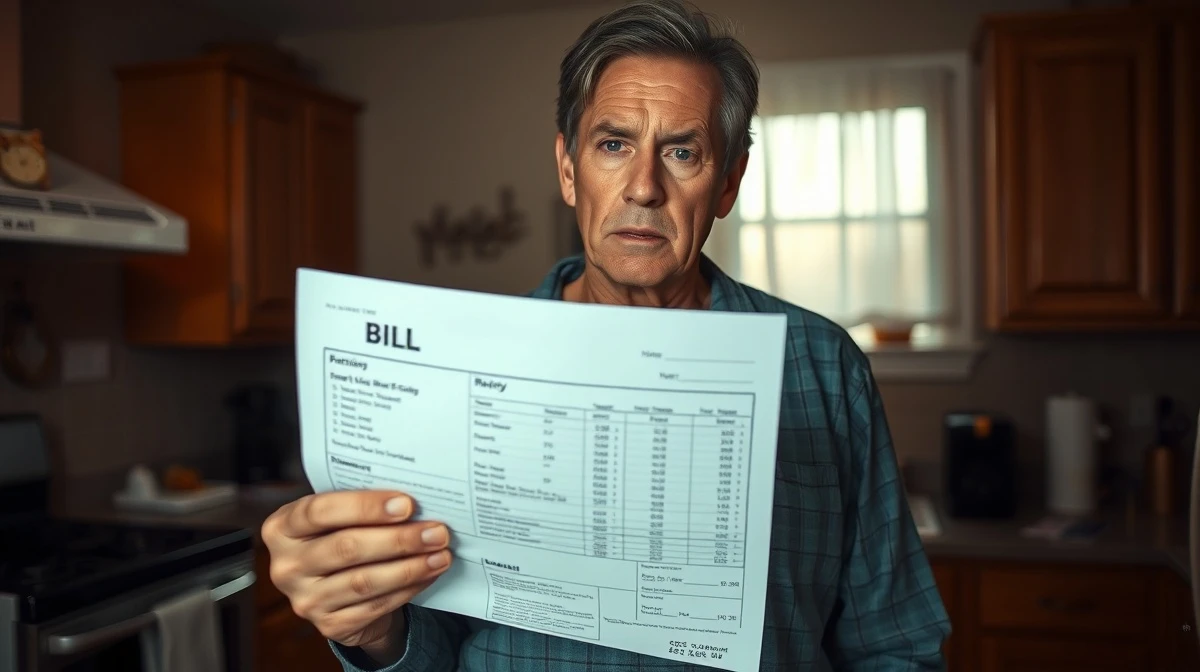
WASHINGTON — Surging electricity costs are transforming into a potent political liability, with neither major party able to sidestep the issue as the midterm elections approach. Data from the U.S. Bureau of Labor Statistics shows energy costs have been a persistent driver of inflation, putting financial strain on households nationwide.
Voter Anger Over Utility Costs
Polling indicates voter concern over monthly expenses is at a peak. Energy bills, once a background household cost, now dominate budget conversations. This shift has caught the attention of political strategists in both parties.
“It’s a kitchen-table issue that cuts across traditional political lines,” a Democratic campaign advisor stated, requesting anonymity to discuss internal polling. “Suburban voters, rural communities, and urban renters are all feeling the pinch.” Republican operatives report similar findings, noting energy affordability consistently ranks among top voter concerns.
The Policy Divide on Solutions
While the problem is widely acknowledged, proposed solutions highlight a deep partisan rift. Democrats largely advocate for accelerated investments in renewable energy and grid modernization, arguing this will lower long-term costs. They point to provisions in recent legislation, like the Inflation Reduction Act, designed to subsidize home efficiency upgrades.
Republicans counter that regulatory burdens on traditional energy production, including natural gas, have artificially constrained supply and driven up prices. Their proposals focus on increasing domestic fossil fuel production and rolling back environmental regulations they deem costly.
This fundamental disagreement has stalled comprehensive federal action. The political stalemate leaves states to implement a patchwork of relief measures, from temporary bill subsidies to rate reform proposals.
Regional Pressures and Grid Demands
The issue is exacerbated by regional vulnerabilities. Areas dependent on natural gas for power generation have seen volatile prices. Regions with aging grid infrastructure face higher maintenance costs passed on to consumers.
Simultaneously, increased demand from electric vehicle adoption and data centers is testing grid capacity. A U.S. Energy Information Administration report forecasts continued growth in electricity consumption, adding pressure to the system.
Utility companies, caught between rising fuel costs and regulatory pressure to keep rates stable, are seeking significant rate increases in many states. These requests trigger public hearings that often become political flashpoints.
Campaigns Scramble for Messaging
Incumbents from both parties are being forced to defend their records. Challengers are making high energy costs a central critique. The issue is particularly potent in swing districts where economic concerns often decide elections.
Some campaigns are highlighting direct relief, such as state-level rebate checks. Others are focusing on long-term energy independence narratives. The effectiveness of these messages is being tested daily on the campaign trail.
Voter advocacy groups have also mobilized. Organizations are pushing for greater transparency in utility rate cases and more aggressive consumer protections. State Public Utility Commissions, typically low-profile bodies, are facing unprecedented public scrutiny.
Looking Ahead
With the election cycle intensifying, the political pressure to propose credible, immediate relief is mounting. Analysts suggest the party that successfully frames the issue and offers a plausible path to lower bills may gain a decisive edge. For now, rising electric costs remain a charged problem with no easy political fix in sight.
This article was produced with AI assistance and reviewed by our editorial team for accuracy and quality.