March 21, 2026 — Billionaire entrepreneur Elon Musk has publicly offered to cover the salaries of Transportation Security Administration (TSA) workers. This unprecedented proposal comes amid a protracted budget standoff in Congress that threatens funding for the Department of Homeland Security (DHS).
An Unconventional Proposal
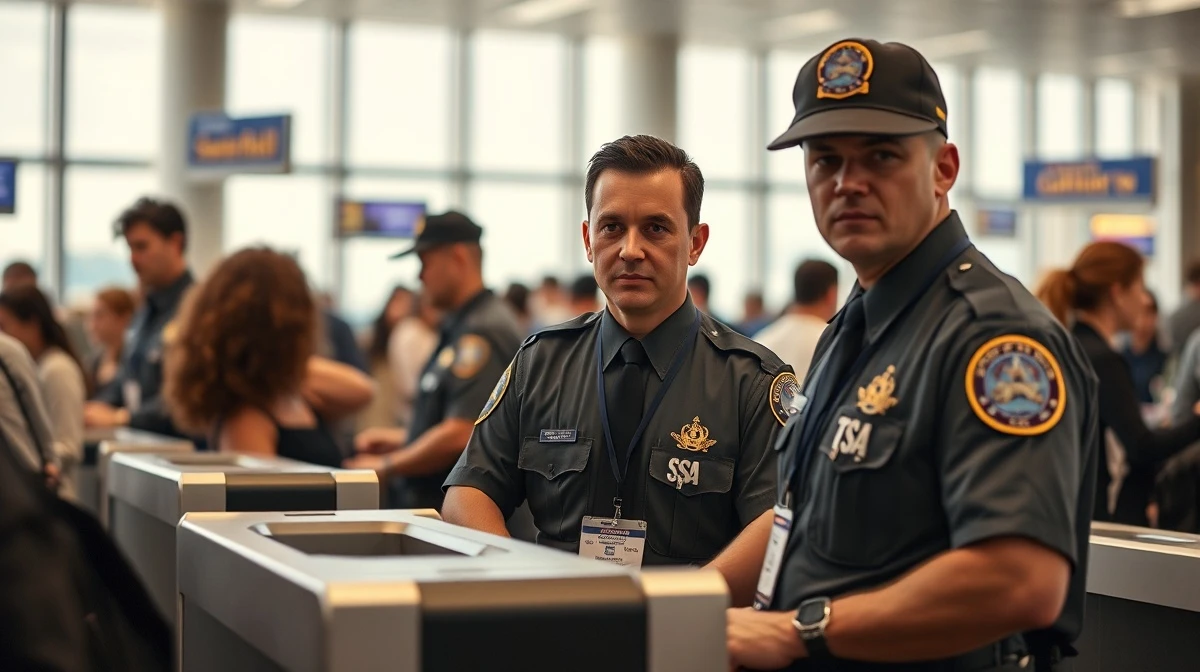
Musk made the offer via his social media platform, stating he would personally fund TSA payroll if the congressional impasse leads to a lapse in appropriations. The TSA, a critical agency within DHS, employs approximately 60,000 people, including transportation security officers who screen passengers and baggage at U.S. airports. A failure to pass a DHS funding bill could force these employees to work without pay or face furloughs.
“The essential work of TSA officers must continue for national security and travel safety,” Musk wrote. He did not immediately specify a funding mechanism or total potential cost. Historical data from the TSA’s official website shows the agency’s annual payroll costs run into the billions of dollars.
Context of the Budget Impasse
The offer emerges from a tense political climate. Lawmakers have repeatedly failed to reach consensus on a full-year DHS appropriations bill. The department has been operating on a series of short-term continuing resolutions, the latest of which is set to expire. Key points of contention, according to congressional records, include border security funding and immigration enforcement priorities.
Past government shutdowns have seen TSA officers required to report for duty despite pay delays. This has led to increased absenteeism and security concerns, as documented in Government Accountability Office reports following previous funding lapses. The potential for operational disruption at airports remains a significant worry for administration officials.
Legal and Ethical Questions
Musk’s offer raises immediate legal and ethical questions. Federal law strictly governs the acceptance of gifts and donations by government agencies. It is unclear if existing statutes would permit a private individual to directly fund the salaries of federal employees performing their official duties.
Ethical concerns also center on the precedent of private funding for core government functions. “This blurs the line between public service and private patronage,” one governance analyst noted, referencing standard critiques of such interventions. The TSA and DHS have not issued an official response to Musk’s proposal. A DHS spokesperson stated the department does not comment on hypotheticals and is focused on working with Congress to secure full-year funding.
Potential Ramifications and Next Steps
The immediate practical impact of Musk’s offer is uncertain. Congress still has time to pass a funding bill before the deadline. Legislative leaders from both parties have indicated a desire to avoid a shutdown, but negotiations remain fragile.
If a lapse occurs and Musk’s offer were formally considered, it would likely require a specific legal waiver or emergency authorization from Congress and the administration. Such a move would be without modern precedent. The situation underscores the high stakes of the ongoing budget negotiations and the potential for extraordinary measures when critical security operations are at risk.
This article was produced with AI assistance and reviewed by our editorial team for accuracy and quality.