
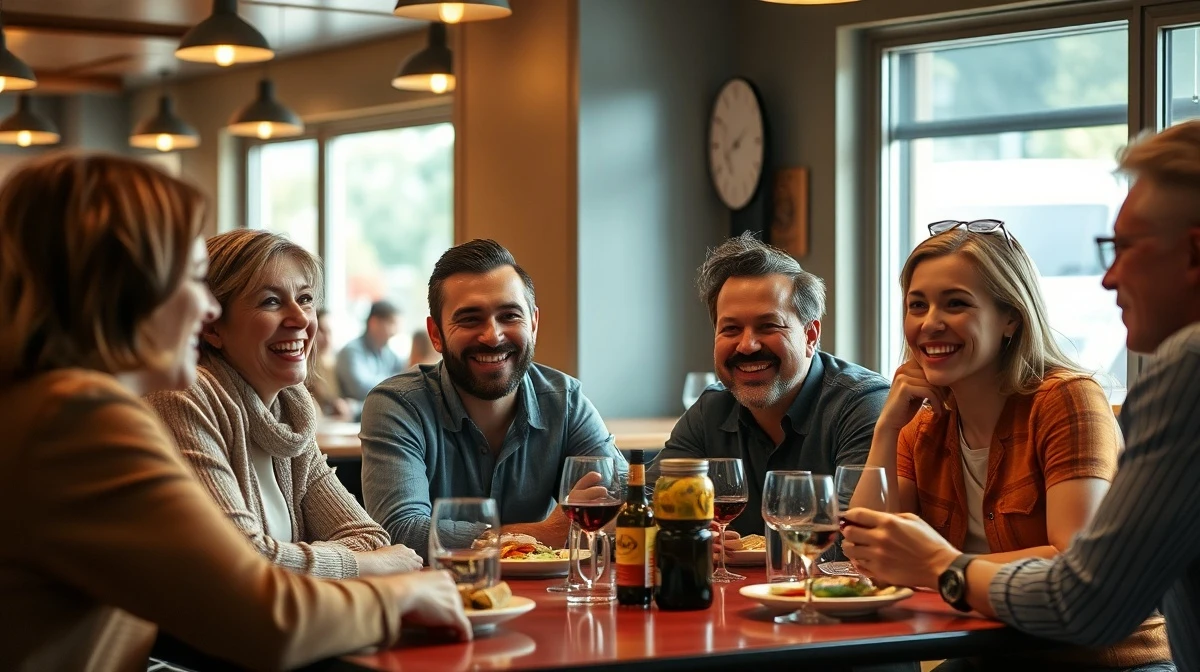
March 14, 2026 — A wave of mobile applications designed specifically to foster platonic friendships is seeing significant user growth. This trend responds to a documented rise in social isolation, a concern highlighted by the U.S. Surgeon General in a 2023 advisory labeling loneliness a public health crisis. Data from analytics firm Appfigures indicates these niche platforms are collectively generating millions in consumer spending.
The Market for Meaningful Friendships
Remote workers and younger adults building their social networks are among those turning to these digital tools. The normalization of online dating has reduced stigma, paving the way for apps focused purely on friendship. Appfigures estimates over a dozen such apps have driven approximately $16 million in U.S. consumer spending so far in 2026. They have also garnered millions of downloads.
These platforms offer a structured alternative to spontaneous, in-person interactions. By clearly signaling intent, they reduce the ambiguity and potential awkwardness of approaching strangers in public settings. The goal is to facilitate connections based on shared interests and activities.
Established Players and New Entrants
The landscape includes long-standing services and recently launched startups. Meetup, founded in 2002, remains a major platform for finding local interest groups and events. Bumble expanded its social footprint by spinning its BFF feature into a standalone app in 2023, recently redesigning it to emphasize group meetups.
Newer apps are experimenting with different models. Timeleft organizes weekly dinner dates with algorithmically matched strangers. The 222 app curates small group outings based on personality tests, charging a curation fee. Pie uses an AI-driven quiz to create compatible groups of six for events in select U.S. cities.
Specialized Platforms for Specific Demographics
Several apps target specific age groups or communities. Meet5, a European app that launched in the U.S., focuses on users over 40. Wyzr Friends also caters to adults 40 and older, facilitating activity-based connections.
Les Amís is tailored for women, transgender, and LGBTQ+ individuals, using AI to match members for local events. It operates in several European and U.S. cities with a paid membership model. Clyx, currently available in Miami and London, integrates event data from platforms like Ticketmaster to help users discover local happenings and see which friends plan to attend.
Regional Rollouts and Discovery Features
Many newer apps are launching in specific markets before expanding. Mmotion, which blends location tracking with social discovery, is currently only available to users in New York City. Washed Up serves the Los Angeles area, helping users find and join small group plans for local events.
These apps often incorporate features to ease social anxiety. Timeleft provides conversation starter games. The 222 app allows users to bring a plus-one to events. The focus is on creating low-pressure environments for forming new connections.
Industry observers note the sector’s growth reflects a broader shift toward intentional community building. As remote work persists and traditional social venues evolve, digital tools are filling a gap for those seeking to expand their circles. The success of these platforms suggests a sustained demand for technology that facilitates real-world friendship.
This article was produced with AI assistance and reviewed by our editorial team for accuracy and quality.



