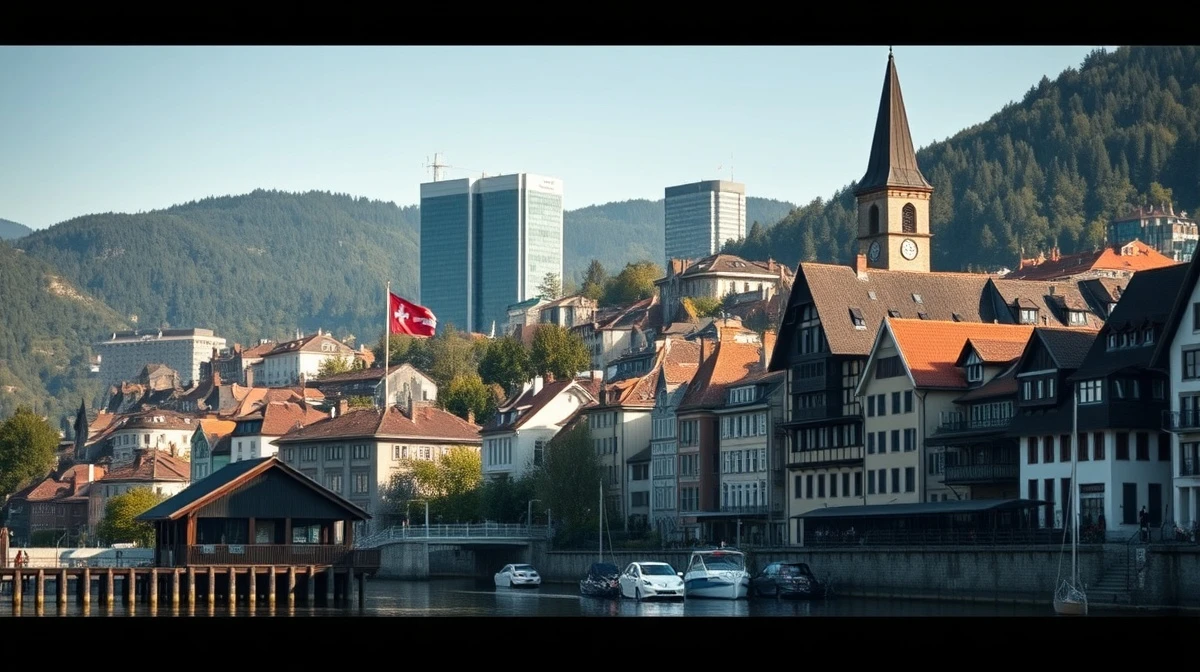
ZUG, Switzerland — April 12, 2026: The quiet Swiss canton of Zug is experiencing a notable influx of capital, companies, and individuals from the Gulf region. This movement is linked directly to ongoing conflicts and political instability in the Middle East.
Local officials and financial service providers confirm a marked increase in inquiries and establishment of family offices and holding companies over the past year. Data from the Zug Commercial Register shows a measurable uptick in new corporate registrations with clear ties to Gulf states since mid-2025.
Also read: UK Borrowers Favor Shorter Mortgage Terms Amid Volatility
A Established Safe Harbor
Zug is not a new destination for international capital. It has built a reputation over decades for political stability, banking discretion, and a favorable tax regime. More recently, it gained global prominence as “Crypto Valley,” a hub for blockchain and digital asset companies.
This existing infrastructure is a key draw. “For high-net-worth families, the priority is stability and operational continuity,” an analyst from a Zurich-based private bank noted, speaking on background. “Zug offers a known legal framework, professional services, and a track record of hosting international businesses. It’s a logical choice for those seeking a secure base.”
Also read: Private Credit Focus Shifts to Deployment, Underwriting
The trend appears twofold. First, wealthy individuals and families are moving personal assets and establishing residency. Second, operational companies and investment vehicles are registering legal entities to safeguard operations outside the conflict zone.
Beyond Banking: A Full Ecosystem
The appeal extends beyond traditional finance. Zug’s established tech and crypto ecosystem provides a platform for Gulf-based investors active in digital assets. The canton’s government has actively cultivated this sector, offering clear regulations and a supportive environment for fintech.
This creates a unique value proposition. Relocating entities aren’t just parking money in a bank vault. They are integrating into a functioning, innovative economic hub. Real estate agents report strong demand for premium residential and office space, though the local market remains relatively small.
“We are seeing a diversification motive,” said a partner at a Zug-based trust and corporate services firm. “Clients are not only seeking safety but also access to European investment networks and technology partnerships that Zug facilitates.”
Context and Implications
This movement of Gulf wealth to Switzerland fits a historical pattern of capital flight to safe-haven jurisdictions during regional crises. The scale and focus on Zug, however, highlight its specialized niche.
The influx presents both opportunities and challenges for the canton. It reinforces Zug’s status as a global financial and tech center. It also brings increased scrutiny regarding compliance and the origins of wealth. Swiss authorities maintain strict anti-money laundering (AML) and know-your-customer (KYC) protocols, which all new entities must satisfy.
For the Gulf region, sustained capital outflows could have longer-term economic impacts, potentially affecting local investment and currency stability. The situation underscores how geopolitical unrest directly influences global capital flows, often benefiting established neutral states.
What this means for Zug is a continued evolution. The canton is solidifying its role not just as a crypto hub, but as a multifaceted safe harbor for global capital in turbulent times. The current wave from the Gulf is a stark reminder of that function.
For more information on Swiss corporate registry data, you can visit the official Zug Commercial Register. Analysis of global wealth migration patterns is available from institutions like the Credit Suisse Research Institute.

This article was produced with AI assistance and reviewed by our editorial team for accuracy and quality.