
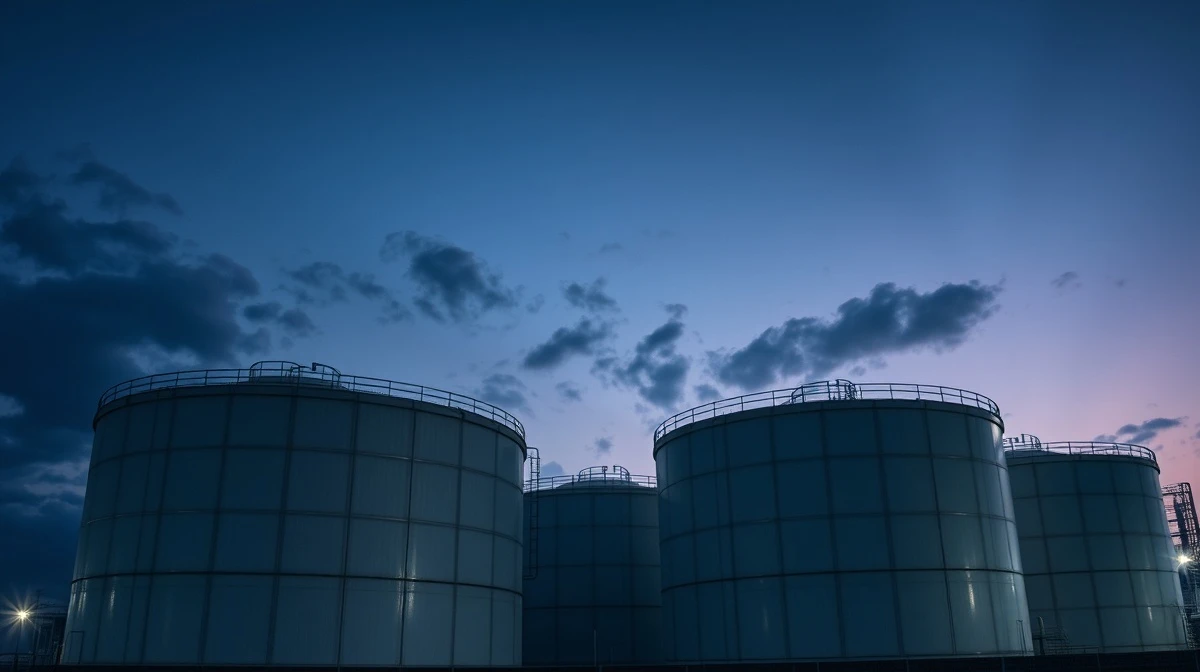
April 10, 2026 — The Japanese government has announced a plan to release the equivalent of 20 days’ worth of oil from its national stockpile. The release is scheduled to begin in early May.
Details of the Planned Release
According to a statement from Japan’s Ministry of Economy, Trade and Industry (METI), the release will involve approximately 7.3 million barrels of crude oil. This volume represents the amount the country is required to hold for 20 days under its commitments to the International Energy Agency (IEA). The oil will be sold from the government’s portion of the national strategic petroleum reserve.
Also read: Trump: Iran's Strait of Hormuz Oil Transit Breaks Deal
This action is part of a coordinated effort with other IEA member nations. The goal is to increase supply and calm volatile global oil markets. Data from the U.S. Energy Information Administration shows global crude prices have remained elevated for several months, putting pressure on economies.
Context and Market Impact
Japan is one of the world’s largest importers of crude oil. Its strategic reserves are among the biggest, designed to cushion against supply shocks. A release of this scale signals official concern about tight market conditions.
Also read: NZD/USD Pressured Near 0.5850 Ahead of US CPI
Industry watchers note that such coordinated releases can have a short-term psychological impact on prices. The actual volume, while significant, is a fraction of daily global consumption. What this means for investors is a potential cap on price rallies in the near term. However, the underlying supply-demand balance will dictate longer-term trends.
This is not Japan’s first such move in recent years. The country participated in a historic coordinated release led by the United States in 2022. The current plan appears to be a more targeted, national action.
Strategic Considerations
The timing is notable. The release is set to begin just as seasonal demand for transportation fuels typically starts to rise in many parts of the world. By acting preemptively, Japan and its allies may be trying to head off a sharper price spike later in the year.
Analysts point to ongoing geopolitical tensions in key oil-producing regions as a primary driver for maintaining reserve readiness. The implication is that governments are keeping a tool in their arsenal to manage market volatility. This suggests a continued focus on energy security as a top policy priority.
What Happens Next
The METI will oversee the sales process from its storage sites. The oil will be sold to domestic refiners through a tender. Proceeds from the sale are typically reinvested into maintaining the reserve system or managing future acquisitions.
Market reaction will be closely watched. The success of the measure will be judged by its effect on regional crude benchmarks and refining margins. If prices do not respond as intended, pressure may grow for further action from consumer nations.
For more information on global oil stockpiles, you can review data from the International Energy Agency. Details on Japan’s strategic petroleum reserve policy are available from the METI website.

This article was produced with AI assistance and reviewed by our editorial team for accuracy and quality.



