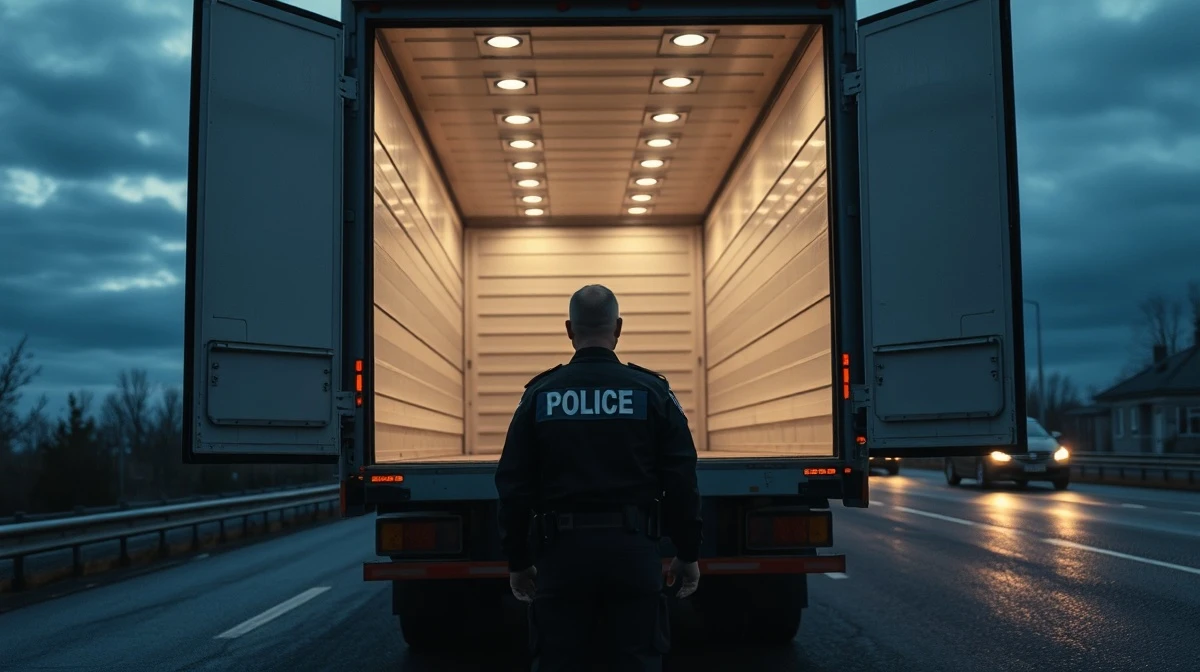
Authorities in Europe are investigating a major theft after criminals stole approximately 12 metric tons of KitKat chocolate bars from a freight truck. The heist, which occurred this week, represents a significant loss for manufacturer Nestle and exposes weak points in food supply chain security.
The Heist
The truck was transporting the popular wafer chocolates when it was targeted. Specific details on the location and timing are being withheld by police to protect the ongoing investigation. However, sources close to the matter confirmed the scale of the theft to news agencies.
Also read: Long TSA Lines Spark Passenger Frustration, Political Debate
Twelve metric tons equates to roughly 600,000 standard four-finger KitKat bars. At typical wholesale prices, the stolen cargo is valued in the hundreds of thousands of euros. The truck was reportedly left unattended for a period, which provided the thieves with their opportunity.
Logistics and Black Market Risks
This is not an isolated incident. The food and beverage industry has long been a target for organized cargo theft. High-value, non-perishable goods like chocolate, coffee, and alcohol are particularly attractive. They are easy to resell on unofficial markets.
Also read: Electric Bills Surge as Key Midterm Election Issue
Industry analysts note that such thefts strain logistics networks already facing pressure from rising costs. “These losses are ultimately passed on,” one supply chain consultant explained. “They contribute to higher insurance premiums and tighter security budgets for everyone moving goods.”
The implication is clear. A theft of this size suggests a degree of planning and inside knowledge. It points to professional criminal operations targeting specific shipments.
Nestle’s Response and Market Impact
A spokesperson for Nestle, which produces KitKat, acknowledged the incident. “We are aware of the theft and are supporting the authorities with their investigation,” the statement read. The company did not comment on potential supply disruptions for retailers.
For a giant like Nestle, the direct financial hit from one truckload is manageable. The greater concern is operational. Such thefts can cause local shortages and force costly last-minute rerouting of replacement stock.
Data from logistics insurers shows a rise in cargo theft across Europe in recent years. Food and drink items consistently rank among the top stolen commodities. This event fits a troubling pattern.
What Happens Next
Police are likely reviewing CCTV footage from motorways and depot areas. The sheer volume of the stolen goods makes them difficult to hide and move discreetly. Investigators will be monitoring online marketplaces and physical stores known for selling goods without clear provenance.
The case underscores a persistent challenge. As supply chains grow more complex, they also become more vulnerable. Companies must balance efficiency with strong security measures. This heist shows what can happen when that balance fails.
For consumers, the immediate effect may be minimal. But industry watchers see it as a signal. Theft is a constant tax on the global movement of goods. Every stolen truckload adds a small cost that eventually filters down.
External Resources: For information on cargo theft trends, see reports from TT Club, a leading transport insurer. Official crime statistics can be found through Europol.

This article was produced with AI assistance and reviewed by our editorial team for accuracy and quality.