April 5, 2026 – For over three decades, Mikko Hyppönen fought computer viruses. His new target flies. The Finnish cybersecurity expert, a prominent figure since the late 1980s, has pivoted his career to defending against drone attacks.
From Malware to Machines
Hyppönen recently became Chief Research Officer at Sensofusion, a Helsinki firm building anti-drone systems for military and law enforcement. The move marks a major shift. He spent 35 years at the antivirus company F-Secure, analyzing thousands of malware strains. He helped discover the infamous ILOVEYOU worm in 2000.
Also read: Anthropic Adds Extra Fee for Claude Code OpenClaw Use
Now, his focus is on the radio frequencies that control unmanned aerial vehicles. “We’re on the side of humans against machines,” Hyppönen said in an interview. “That sounds a little bit like science fiction, but that’s very concretely what we do.”
A Personal and Strategic Shift
Geopolitics drove his career change. Hyppönen lives two hours from Finland’s border with Russia. The war in Ukraine, defined by drone warfare, made the threat tangible. “The situation is very, very important to me,” he said. He serves in Finland’s military reserves, noting his role involves a keyboard, not a rifle.
Also read: Y Combinator Cuts Ties With Embattled Startup Delve
Industry watchers note this reflects a broader trend. As consumer devices like iPhones have become more secure, new frontiers like drone security have opened. The cybersecurity market is now worth an estimated $250 billion. Hyppönen argues expensive exploits for hardened systems are now mostly the domain of nation-states, not petty criminals.
The ‘Cybersecurity Tetris’ Problem
In a keynote speech, Hyppönen described defense work as “cybersecurity Tetris.” When you complete a line, it vanishes. Your successes disappear while failures pile up. “When you do your job perfectly, the end result is that nothing happens,” he told the audience.
His work has been far from invisible. He became a recognized voice through global conferences. But the core challenge remains the same: a relentless cat-and-mouse game. Adversaries adapt. Defenses must evolve.
How to Fight a Drone
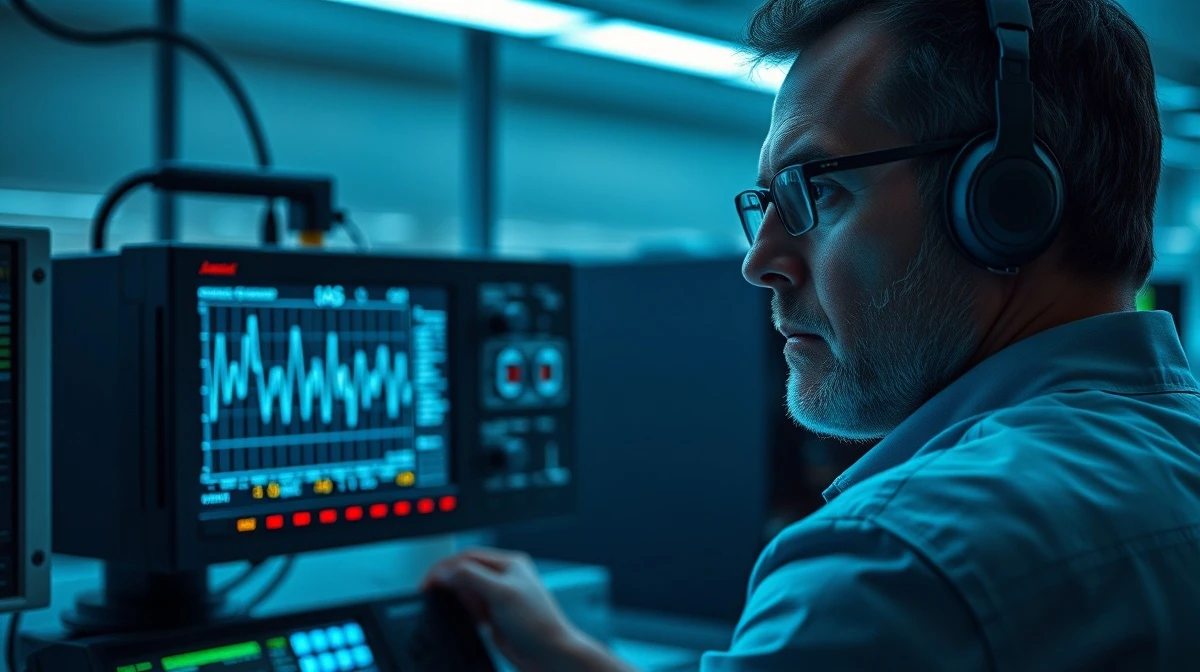
The technical parallels between malware and drone defense are clear. Antivirus software uses “signatures” to identify malicious code. Sensofusion’s systems record radio frequency “IQ samples” to identify drone control protocols. Once detected, drones can be jammed or cyber-attacked.
“If you find a vulnerability, you’re done,” Hyppönen explained. Causing a drone to malfunction and crash is often the goal. This direct physical result is a stark contrast to the often abstract world of data theft.
Data from conflict zones shows the urgency. Unmanned aerial attacks reportedly cause a majority of casualties in Ukraine. This has accelerated demand for counter-drone technology globally.
The Enemy Hasn’t Changed
For Hyppönen, a key adversary remains constant. “I spent a big part of my career fighting against Russian malware attacks,” he said. “Now I’m fighting Russian drone attacks.”
His career traces the evolution of digital threats. In the 1990s, viruses like Form.A spread via floppy disk, sometimes doing little more than displaying a message. Today, malware is a tool for spies, criminals, and mercenaries. The hobbyist virus writer is extinct.
Destructive worms like WannaCry and NotPetya are now rare exceptions. The implication is that cyber warfare has professionalized on both sides. Hyppönen’s shift to drone defense suggests physical and digital battlefields are merging. What this means for global security is a more complex defense posture, requiring experts who understand both code and kinetic threats.
What’s Next for Defense Tech
Hyppönen’s move signals where some cybersecurity talent is flowing. The drone defense industry is less charted than traditional IT security. This offers a new arena for innovation—and conflict.
But the fundamental dynamic persists. For every defensive signature created, an attacker will try to develop a new protocol. The bricks in Hyppönen’s Tetris analogy keep falling. The game doesn’t end; it just changes platforms.
For more on the technical specifications of radio frequency detection, see the research published by the Institute of Electrical and Electronics Engineers (IEEE). Analysis of the drone warfare field in Ukraine is available from RUSI, a defense think tank.

This article was produced with AI assistance and reviewed by our editorial team for accuracy and quality.