As businesses navigate increasingly complex security challenges in 2025, a fundamental shift is occurring in how organizations protect their assets, people, and operations. The traditional approach of separate security measures has evolved into integrated systems where advanced CCTV technology and professional manned guarding work in seamless coordination. This transformation represents more than just technological advancement—it signifies a complete reimagining of business security strategy that addresses modern threats while enhancing operational efficiency and employee wellbeing. According to recent industry analysis, businesses implementing integrated security solutions report 67% faster incident response times and 45% reduction in security-related losses compared to those using standalone systems.
The Evolution of Modern CCTV in Business Security Strategy
Contemporary CCTV systems have undergone remarkable transformation since their early implementations. Today’s technology represents a quantum leap from the grainy, passive recording devices of previous decades. Modern systems now incorporate artificial intelligence, machine learning algorithms, and cloud-based analytics that provide unprecedented capabilities for business protection. These advanced systems offer high-definition video quality exceeding 4K resolution, 360-degree panoramic views, and sophisticated analytics that can identify patterns, detect anomalies, and predict potential security breaches before they occur.
The integration of thermal imaging, license plate recognition, and facial recognition technologies has expanded CCTV’s role beyond simple surveillance. Businesses now utilize these systems for operational optimization, customer behavior analysis, and compliance monitoring. For instance, retail establishments employ heat mapping technology to understand customer traffic patterns, while manufacturing facilities use motion detection analytics to monitor safety protocol adherence. This evolution has transformed CCTV from a reactive security tool into a proactive business intelligence asset that contributes directly to operational excellence and strategic decision-making.
Technological Capabilities Driving Modern Security
Current CCTV systems offer capabilities that were unimaginable just five years ago. Advanced analytics can now detect unusual behavior patterns, identify abandoned objects, and recognize specific individuals or vehicles. Cloud integration allows for remote monitoring from any location, while edge computing enables real-time processing without bandwidth constraints. The implementation of 5G connectivity has further enhanced these systems, providing faster data transmission and more reliable connections for critical security operations.
The Indispensable Human Element in Security Operations
Despite technological advancements, professional security personnel remain essential components of effective business security strategy. Trained guards provide contextual understanding, judgment, and interpersonal skills that technology cannot replicate. Their presence serves multiple functions beyond security enforcement—they act as customer service representatives, emergency responders, and operational support staff. According to security industry research from 2024, businesses employing professional security personnel report 73% higher employee satisfaction with workplace safety measures and 58% better visitor experience ratings.
Security professionals bring critical thinking abilities to situations that require nuanced understanding. While cameras can detect a door opening after hours, only human judgment can determine whether this represents a security breach, a maintenance issue, or an authorized after-hours entry. This human capability becomes particularly valuable during emergencies, where trained personnel can assess situations, make rapid decisions, and coordinate responses that automated systems might misinterpret or handle inefficiently.
The Multifaceted Role of Modern Security Personnel
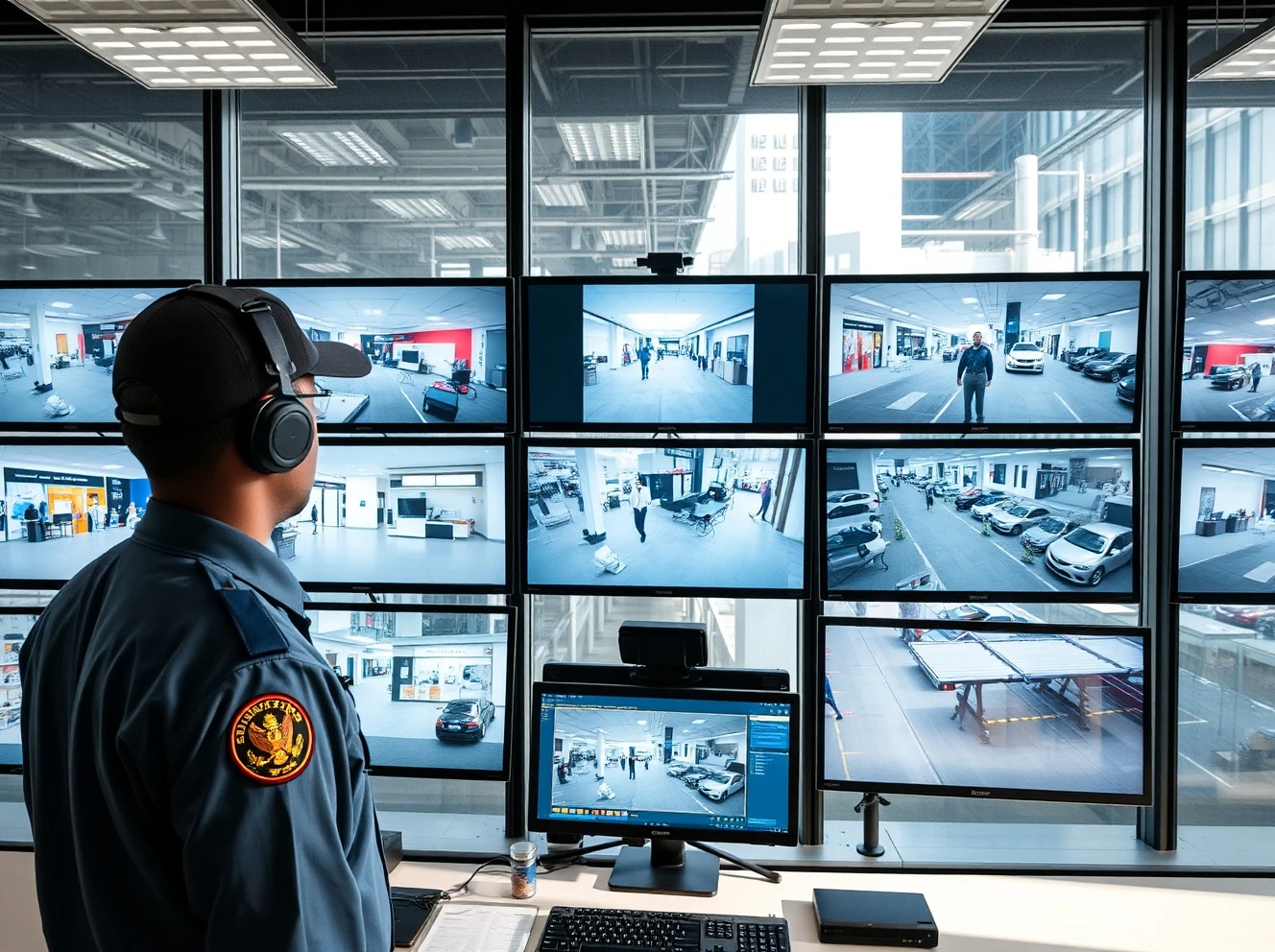
Today’s security professionals serve as the interface between technology systems and human needs. They monitor multiple data streams, interpret complex situations, and provide the physical presence that deters criminal activity. Their training now includes crisis management, customer service protocols, and technological system operation, making them integral to both security and business operations. This expanded role reflects the changing nature of business security strategy, where protection and service delivery increasingly intersect.
Synergistic Integration: Where Technology Meets Human Expertise
The most effective business security strategy emerges from the strategic integration of CCTV systems and manned guarding services. This combination creates a comprehensive protection framework where technological capabilities and human judgment complement each other’s strengths while mitigating individual limitations. The integration follows several key operational principles that maximize effectiveness while optimizing resource allocation.
Targeted Response Coordination: Modern systems enable precise incident management through coordinated responses. When CCTV analytics detect potential security issues, they immediately alert on-site personnel with specific location information and situational context. This targeted approach reduces response times from an average of 8.2 minutes to under 90 seconds, according to 2024 security industry metrics. The efficiency gains are particularly significant in large facilities where traditional patrol methods might miss developing situations.
Intelligent Monitoring Systems: Advanced CCTV platforms now incorporate predictive analytics that identify potential security threats before they materialize. These systems analyze patterns, recognize anomalies, and provide early warnings to security personnel. When combined with human monitoring, this approach achieves 94% accuracy in threat identification while maintaining the contextual understanding that prevents unnecessary responses to false positives.
| Metric | Standalone CCTV | Integrated System | Improvement |
|---|---|---|---|
| Incident Response Time | 8.2 minutes | 1.4 minutes | 83% faster |
| False Alarm Rate | 42% | 6% | 86% reduction |
| Threat Detection Accuracy | 71% | 94% | 32% improvement |
| Employee Safety Perception | 68% positive | 92% positive | 35% increase |
Remote Monitoring and Virtual Guarding Solutions
For businesses requiring flexible security coverage, remote monitoring services provide an effective solution that combines technological and human elements. Professional monitoring centers staffed by trained security specialists watch multiple locations simultaneously, utilizing advanced CCTV systems to maintain constant vigilance. These centers can dispatch mobile response units, activate on-site audio warnings, or contact local authorities as situations require. This approach offers 24/7 protection without the cost of full-time on-site personnel, making comprehensive security accessible to businesses of varying sizes and budgets.
Beyond Security: Operational Benefits and Business Intelligence
Modern integrated security systems deliver value that extends far beyond traditional protection functions. The data collected through CCTV surveillance, when analyzed properly, provides valuable business intelligence that can drive operational improvements and strategic decisions. This expanded utility represents a significant evolution in how businesses perceive and utilize their security investments.
Health and Safety Enhancement: Integrated systems contribute substantially to workplace safety initiatives. High-definition cameras monitor compliance with safety protocols in hazardous areas, while analytics can identify potential risks before accidents occur. The ability to review incidents provides valuable learning opportunities for improving safety procedures. Businesses implementing these systems report 41% fewer workplace accidents and 67% faster resolution of safety concerns, according to occupational safety data from early 2025.
Dispute Resolution and Liability Protection: Comprehensive video documentation serves as objective evidence in customer or employee disputes. High-quality recordings with accurate timestamps provide clarity in situations where conflicting accounts might otherwise create complications. This capability has proven particularly valuable in retail, hospitality, and healthcare settings, where interactions between staff and customers sometimes require objective review for fair resolution.
The Financial and Strategic Business Case
Investing in integrated security solutions represents a strategic business decision with measurable financial benefits. Beyond the obvious protection against losses from theft or vandalism, these systems contribute to operational efficiency, risk management, and business continuity. Insurance industry data from 2024 indicates that businesses with certified integrated security systems receive premium reductions averaging 22-35% compared to those with basic or no security measures.
The return on investment extends beyond direct financial measures. Businesses benefit from improved employee retention (security-conscious workplaces report 31% lower turnover), enhanced customer confidence, and stronger brand reputation. The operational insights gained from security system analytics can identify inefficiencies, optimize space utilization, and improve customer service delivery—creating value that often exceeds the initial security investment.
Implementation Considerations for Modern Businesses
Successful integration requires careful planning and strategic implementation. Businesses should consider several key factors:
- Needs Assessment: Conduct comprehensive risk analysis to identify specific security requirements
- Technology Selection: Choose systems that offer scalability, compatibility, and future-proof capabilities
- Personnel Training: Ensure security staff receive proper training on both technological systems and interpersonal skills
- Policy Development: Create clear protocols for system use, data management, and incident response
- Continuous Evaluation: Implement regular assessment processes to measure effectiveness and identify improvement opportunities
Conclusion
The evolution of business security strategy has reached a pivotal moment where technological capability and human expertise converge to create protection systems that are both comprehensive and intelligent. Modern CCTV technology, when integrated with professional manned guarding services, provides businesses with unprecedented security capabilities while delivering operational benefits that extend throughout the organization. This integrated approach represents more than just enhanced protection—it signifies a fundamental shift in how businesses manage risk, ensure safety, and create environments where people and operations can thrive securely. As security challenges continue to evolve in complexity, the synergy between advanced technology and skilled human oversight will remain essential for businesses seeking to protect their assets while pursuing growth and innovation in an increasingly dynamic commercial landscape.
FAQs
Q1: How does integrated security differ from traditional separate systems?
Integrated security combines CCTV technology and manned guarding into a coordinated system where technological capabilities and human expertise work synergistically. Unlike traditional approaches where systems operate independently, integrated solutions feature shared intelligence, coordinated responses, and unified management that significantly enhance effectiveness and efficiency.
Q2: What are the primary benefits of combining CCTV with security personnel?
The combination provides comprehensive coverage that addresses both technological and human aspects of security. Benefits include faster incident response (83% improvement according to 2024 data), reduced false alarms (86% reduction), enhanced threat detection accuracy (94% vs. 71% for standalone systems), and improved employee safety perception (92% positive rating).
Q3: How has CCTV technology evolved to support modern business security needs?
Modern CCTV systems now incorporate artificial intelligence, predictive analytics, cloud integration, and high-definition imaging. These advancements enable proactive threat detection, operational intelligence gathering, remote accessibility, and integration with other business systems, transforming CCTV from passive recording devices into active security and business intelligence tools.
Q4: Can small businesses afford integrated security solutions?
Yes, scalable solutions exist for businesses of all sizes. Remote monitoring services, modular system designs, and flexible service arrangements make integrated security accessible. Many providers offer tiered solutions that allow businesses to start with basic integration and expand capabilities as needs and budgets grow.
Q5: What should businesses consider when implementing integrated security systems?
Key considerations include conducting thorough risk assessments, selecting scalable and compatible technology, ensuring proper personnel training, developing clear operational protocols, and establishing continuous evaluation processes. Businesses should also consider compliance requirements, data management policies, and integration with existing operational systems.