
March 25, 2026 — Natural gas futures closed higher on Wednesday, recovering from a recent multi-week low as geopolitical tensions and facility damage raised concerns over tighter global supplies.
April Nymex natural gas settled up 0.31% after falling to a 3.5-week low earlier in the session. The rebound followed Iran’s rejection of a U.S. peace plan, an action market analysts say could prolong the closure of the Strait of Hormuz and restrict gas shipments from the Middle East.
Geopolitical and Physical Supply Shocks
The ongoing closure of the Strait of Hormuz has already sharply curtailed natural gas supplies to Europe and Asia. This strategic chokepoint is critical for global energy transit.
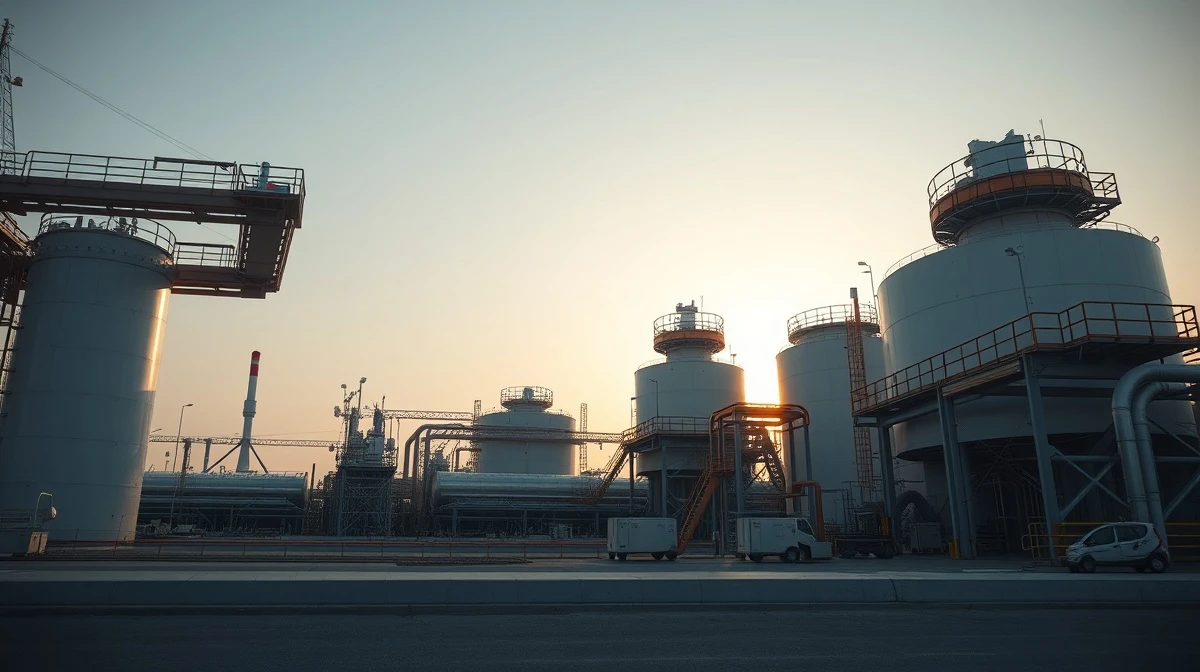
Separately, Qatar reported last Thursday that its Ras Laffan Industrial City facility, the world’s largest natural gas export plant, sustained extensive damage from attacks attributed to Iran. Qatari officials stated the damage affected 17% of the plant’s LNG export capacity and would require three to five years to fully repair.
The Ras Laffan facility accounts for approximately 20% of global liquefied natural gas supply. A sustained reduction in its capacity could increase demand for U.S. natural gas exports to fill the gap.
U.S. Market Dynamics Provide Counterbalance
Domestic factors initially pressured prices. Forecasts from the Commodity Weather Group shifted warmer on Wednesday, predicting above-average temperatures across the United States through April 3. This weather pattern typically reduces heating demand for natural gas.
U.S. production remains robust. Data from BloombergNEF (BNEF) showed lower-48 state dry gas production on Wednesday at 112.1 billion cubic feet per day, a 4.3% increase year-over-year. The Energy Information Administration (EIA) raised its 2026 forecast for U.S. dry natural gas production in a February 17 report, projecting 109.97 bcf/day.
Active U.S. natural gas drilling rigs reached a 2.5-year high in late February, though the latest weekly data from Baker Hughes showed a slight decline. The number of rigs fell by 2 to 131 in the week ending March 20.
Demand and Inventory Data Mixed
U.S. demand presents a mixed picture. BNEF reported lower-48 state gas demand on Wednesday was 76.8 bcf/day, down 4.2% from a year ago. However, electricity output data provided a positive signal for gas consumption.
The Edison Electric Institute reported U.S. electricity output in the week ended March 21 rose 7.5% year-over-year. Estimated LNG net flows to U.S. export terminals were 20.1 bcf/day on Wednesday, a 5.7% weekly increase according to BNEF.
Market consensus anticipates Thursday’s weekly EIA storage report will show a withdrawal of 49 billion cubic feet for the week ended March 20. This would be a larger draw than the five-year average for the week of 21 bcf.
The previous week’s EIA report, however, was bearish. Inventories for the week ended March 13 rose by 35 bcf, significantly above the five-year average draw of 29 bcf for that period. As of March 13, inventories were 10.3% higher than the previous year and 2.6% below the five-year seasonal average.
Global Storage Context
European gas storage levels remain below seasonal norms. Data as of March 23 showed storage was 28% full, compared to a five-year seasonal average of 41% full for this time of year. This situation keeps the market attentive to any disruptions in supply that could affect winter preparedness.
The interplay between strong U.S. production, variable weather demand, and significant international supply disruptions continues to create volatility in the natural gas market. Analysts monitor whether supply shocks from the Middle East will outweigh ample domestic production in the coming weeks.
For official energy data and forecasts, readers can refer to the U.S. Energy Information Administration. Information on global LNG trade is available from the International Energy Agency.
This article was produced with AI assistance and reviewed by our editorial team for accuracy and quality.



