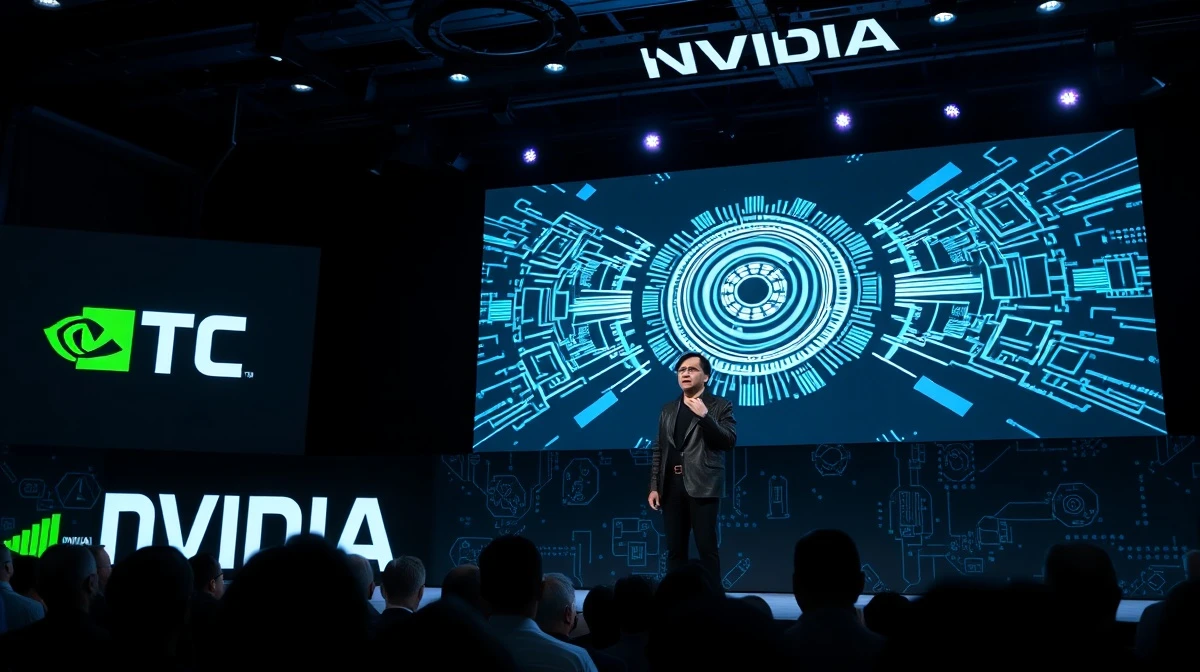
March 20, 2026 — Nvidia CEO Jensen Huang outlined an ambitious vision for artificial intelligence infrastructure during a lengthy keynote at the company’s GTC conference. Dressed in his signature leather jacket, Huang projected the AI chip market would generate $1 trillion in sales through 2027. He declared that every company needs an “OpenClaw strategy” for AI development.
A Strategic Vision and Technical Showcase
The keynote lasted approximately two and a half hours. Huang used the platform to reinforce Nvidia’s central role in the AI hardware ecosystem. His presentation blended high-level market forecasts with specific product and platform announcements aimed at developers and enterprise customers.
Central to his message was the concept of an “OpenClaw” approach. This strategy appears to emphasize open, accessible frameworks for building and deploying AI systems. Industry analysts note that such positioning seeks to broaden Nvidia’s reach beyond pure hardware sales into platform and ecosystem dominance.
NemoClaw and Robotic Demonstrations
A significant portion of the event focused on new tools and demonstrations. The company showcased “NemoClaw,” a platform or toolset presented as critical for modern AI workflows. Specific technical details and release timelines for NemoClaw were part of the broader conference materials.
The keynote concluded with a robotics demonstration featuring a robot named “Olaf.” According to multiple attendee reports, the segment extended beyond its planned time. The presentation became rambling, prompting event staff to eventually cut the robot’s microphone to move the schedule forward.
The $1 Trillion Market Bet
Huang’s $1 trillion sales projection through 2027 represents a bold forecast for the AI accelerator market. This figure encompasses the total addressable market for AI-specific processors, not solely Nvidia’s revenue. The estimate underscores the company’s belief in continued, massive investment in AI infrastructure across cloud providers, enterprises, and governments.
Market data from firms like IDC and Gartner indicates sustained growth in AI hardware spending. Nvidia’s projection aligns with, though sits at the high end of, broader industry forecasts. The company’s financial performance in recent quarters has been heavily driven by demand for its H100 and subsequent Blackwell architecture GPUs.
Context and Competitive Landscape
Nvidia’s GTC conference serves as its primary developer event. The gathering highlights new software, hardware, and partnerships. The official GTC agenda lists hundreds of sessions on AI, robotics, and accelerated computing.
The company faces increasing competition. Rivals like AMD, Intel, and several well-funded startups are developing alternative AI chips. Furthermore, major cloud customers like Google, Amazon, and Microsoft are designing their own proprietary AI accelerators. Huang’s “OpenClaw” messaging may be a strategic counter to this trend, promoting openness versus proprietary in-house solutions.
Regulatory filings show Nvidia’s data center revenue has become its largest segment. This shift reflects the core demand from AI training and inference workloads. The company’s strategy appears focused on locking in this ecosystem through its CUDA software platform and full-stack solutions.
Nvidia did not immediately provide additional comment on the keynote’s specific projections beyond the published presentation. The full keynote replay is available on the Nvidia corporate website. The $1 trillion forecast will likely shape investor and competitor strategies in the semiconductor sector for the coming years.
This article was produced with AI assistance and reviewed by our editorial team for accuracy and quality.