March 22, 2026 — A robotic version of Disney’s beloved snowman Olaf became an unexpected focal point for discussions about the social complexities of robotics during Nvidia’s recent GTC conference. While CEO Jensen Huang’s keynote emphasized the company’s technological ambitions, a panel of TechCrunch analysts highlighted the practical challenges of deploying such systems in real-world environments.
The Demo That Stole the Show
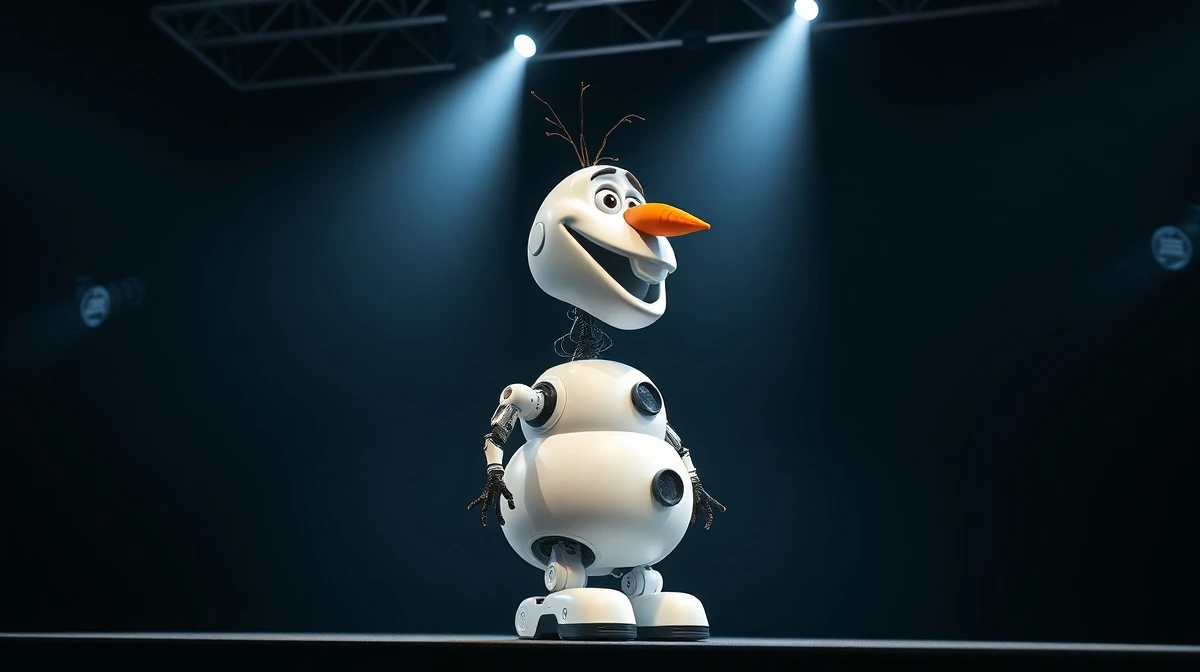
Nvidia’s presentation featured numerous announcements about graphics technology and AI strategy. However, a demonstration involving a robot designed to resemble the “Frozen” character generated significant discussion. According to TechCrunch’s Kirsten Korosec, the robot was intended to showcase Nvidia’s advancements in robotics technology, though its performance was imperfect.
“The Olaf robot comes out, and this is something that Jensen loves to do,” Korosec noted in a recent Equity podcast episode. “He loves to have these demos and some of them go better than others.” The demonstration reportedly encountered technical difficulties, with the robot’s microphone being cut after it began rambling to the audience.
Beyond Engineering Challenges
TechCrunch reporter Sean O’Kane raised concerns that such presentations typically focus on technical achievements while overlooking broader social implications. “These efforts never consider — or certainly don’t put front and center in events like this — all the other things you have to consider when you roll stuff out like this,” O’Kane stated.
He specifically questioned what might happen if such a robot were deployed in a setting like a Disney theme park. “What happens when a kid kicks Olaf over?” O’Kane asked. “And then every other kid who sees Olaf get kicked or knocked over has their whole trip to Disney ruined and it ruins the brand?”
O’Kane referenced content from the YouTube channel Defunctland, which has documented Disney’s historical attempts to integrate advanced animatronics into its parks. These efforts have repeatedly encountered similar practical and social obstacles beyond pure engineering.
Strategic Context for Nvidia
The robotics demonstration occurred within a broader context of strategic announcements from Nvidia. Huang declared that “every company needs to have an OpenClaw strategy,” referring to an open-source project whose founder has since moved to OpenAI. TechCrunch’s Anthony Ha characterized this as “a very grand statement that’s meant to be attention grabbing” during a transitional period for the project.
Korosec interpreted the statement as reflecting Nvidia’s own strategic needs. “In the case of Nvidia, it costs them nothing in the grand scheme of things to launch what they call NemoClaw,” she explained. “But if they don’t do something, they have a lot to lose.” She suggested the company views supporting such open-source initiatives as a pathway to embedding its technology across numerous enterprises.
The Human Element in Robotics
The discussion highlighted a growing tension in robotics development between solving technical problems and addressing human factors. O’Kane noted this pattern extends beyond entertainment robots to include humanoid robots designed for various applications. “There’s so much hype about all this other stuff and we just don’t really hear as much conversation about the really messy gray areas on the social side of these things,” he observed.
Korosec offered a counterpoint regarding potential employment effects. “This is a job creator, because Olaf will have to have a human babysitter in Disneyland, probably dressed up as Elsa or something else,” she suggested. “You can imagine that actually, what we’re doing is creating jobs with this engineering experiment.”
What Comes Next
The imperfect robot demonstration and subsequent analysis underscore that successful robotics deployment requires more than technological prowess. As companies like Nvidia push forward with ambitious robotics projects, integration into human environments presents challenges that engineering alone cannot solve. The social acceptability, practical durability, and emotional impact of robotic systems will likely receive increased scrutiny as these technologies move closer to widespread implementation.
This article was produced with AI assistance and reviewed by our editorial team for accuracy and quality.