
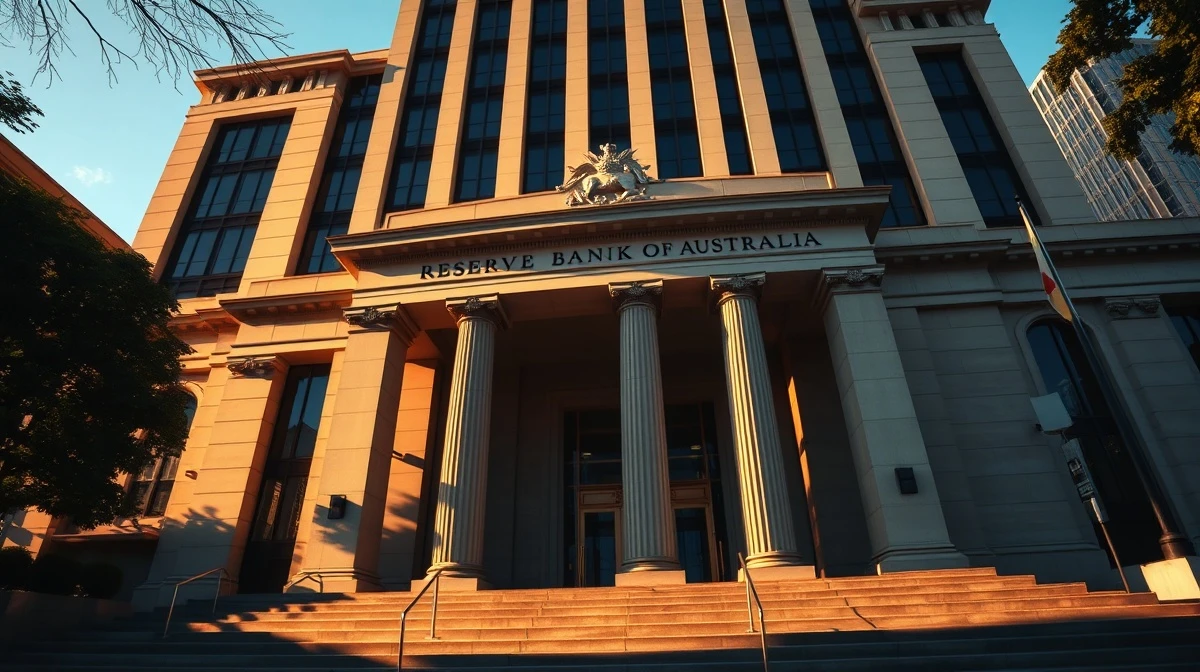
SYDNEY – March 31, 2026. The Reserve Bank of Australia’s board concluded that financial conditions must stay restrictive to bring inflation back to target, according to minutes from its March policy meeting released on Tuesday.
The minutes show a unified board focused on the ongoing challenge of high inflation. Members agreed that maintaining a restrictive stance was necessary. They judged that the current level of the cash rate was helping to establish a more sustainable balance between supply and demand in the economy.
Also read: Yen Falls as Soft Tokyo CPI Dents BoJ Hike Bets
Inflation Remains the Core Challenge
Board members spent considerable time discussing inflation dynamics. Data from the Australian Bureau of Statistics shows the consumer price index rose 3.4% in the year to the December quarter. This remains above the RBA’s 2-3% target band.
“The board agreed that it would be some time yet before inflation was sustainably within the target range,” the minutes stated. This assessment suggests policymakers see a long road ahead. They noted that services price inflation was declining more slowly than for goods.
Also read: AUD Gains as RBA Minutes Hint at More Rate Hikes
Wage growth was also a topic of discussion. The board acknowledged that wage increases had likely peaked but were still at a level consistent with the inflation target, provided productivity growth improves.
Assessing the Impact of Past Hikes
The minutes reveal the board’s confidence that prior interest rate increases are working. They observed that higher mortgage payments are weighing on household disposable income. This is curbing spending.
Demand for credit has softened significantly. Housing market activity has cooled from its previous highs. The board judged that aggregate demand growth was now below the rate of growth in the economy’s supply capacity.
This is a key condition for reducing inflationary pressures. But the process is seen as gradual. The board remains wary of declaring victory too soon.
Risks and the Path Forward
International developments featured in the discussion. The board noted that inflation was also easing in many other countries, but the pace varied. They agreed that the outlook for the Chinese economy remained a significant source of uncertainty for Australia.
Domestically, the board is watching household consumption closely. The full effect of monetary policy is still passing through the economy. Members reiterated they are not ruling anything in or out regarding future rate moves.
Market analysts note the minutes contain no explicit bias toward easing. “The tone is deliberately cautious,” said one observer. “The RBA is signaling it will hold the line until the inflation data gives them clear permission to shift.”
What This Means for Markets and Borrowers
The clear message is that rate cuts are not imminent. Financial markets had been pricing in a potential easing cycle starting in late 2026. These minutes suggest that timeline could be pushed back.
For households with mortgages, it implies continued pressure from high repayments. Variable rate borrowers have seen their payments increase substantially since the tightening cycle began in 2022. Savers, however, continue to benefit from higher deposit rates.
The RBA’s next cash rate decision is scheduled for May 6. All future decisions will be data-dependent, with a particular focus on the quarterly inflation readings. The board’s resolve, as detailed in these minutes, is to ensure inflation returns to target and stays there.
You can read the official RBA board minutes on the central bank’s website. For the latest official inflation data, refer to the Australian Bureau of Statistics CPI report.

This article was produced with AI assistance and reviewed by our editorial team for accuracy and quality.



