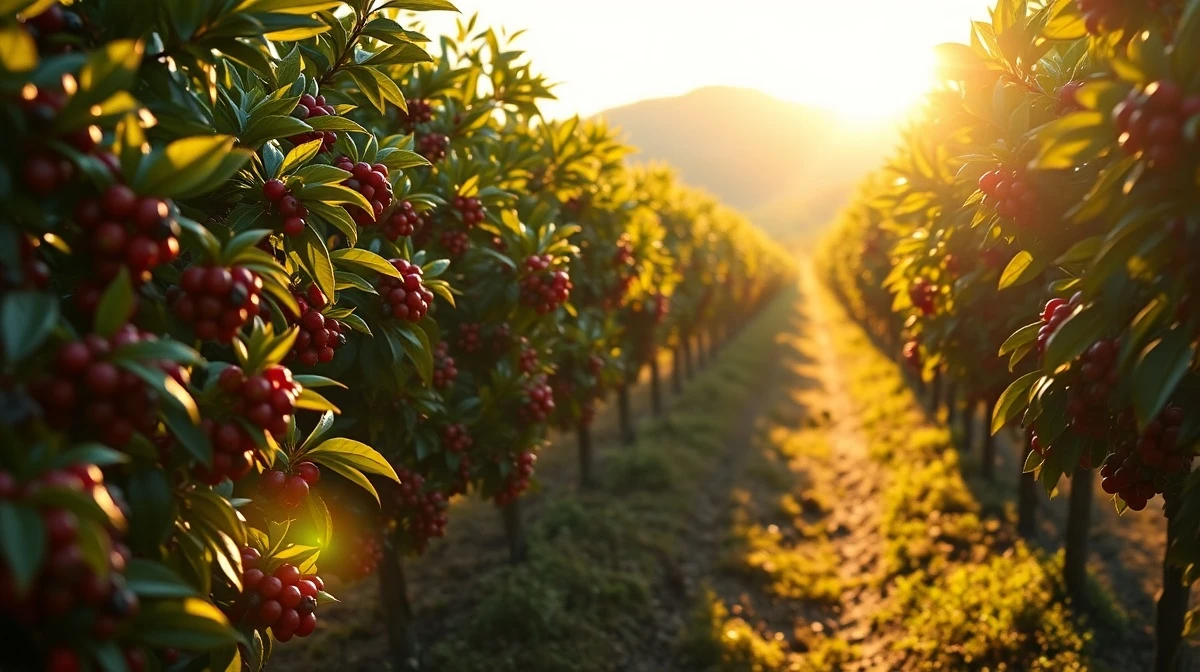
March 27, 2026 — Coffee futures declined this week as multiple commodity analysts raised their projections for a record-breaking Brazilian harvest, signaling a potential surge in global supply. The bearish outlook for arabica and robusta coffee comes despite ongoing logistical disruptions and signs of near-term tightness.
Analysts Project Unprecedented Harvest
Market sentiment turned negative following a series of upgraded crop forecasts. Marex Group Plc projected a record 2026/27 Brazil coffee crop of 75.9 million bags. This estimate surpassed a recent forecast from Sucafina of 75.4 million bags and an earlier projection from StoneX of 75.3 million bags.
These figures represent a significant year-over-year increase. Brazil’s official crop forecasting agency, Conab, said in February that the nation’s 2026 coffee production would climb 17.2% to a record 66.2 million bags.
“The consensus is building toward a massive Brazilian crop,” market analysts noted, reviewing the recent data. This supply outlook pressured May arabica coffee futures, which settled lower on Friday.
Near-Term Supply Factors Provide Support
Despite the bearish long-term forecasts, several factors limited the decline in coffee prices, particularly for robusta. ICE-monitored robusta inventories fell to a 3.25-month low this week, indicating tighter immediate supplies.
Earlier in the week, arabica prices rallied to a seven-week high. Reports from Brazil suggested farmers were holding back supplies, anticipating higher prices and creating tightness in the cash market. Export data from Cecafe showed Brazil’s green coffee exports in February fell 27% year-over-year to 2.3 million bags.
Logistical Disruptions Add Cost Pressure
Global shipping disruptions have also influenced the coffee market. The closure of the Strait of Hormuz has increased freight rates, insurance, and fuel costs. These added expenses raise costs for coffee importers and roasters worldwide, providing underlying support to terminal market prices.
Rabobank said in early March that global coffee production is projected to reach a record 180 million bags in the 2026/27 season. The USDA’s Foreign Agriculture Service, in a December report, also forecast a record world crop.
Vietnam Exports and Global Inventory Trends
Bearish pressure also stems from rising exports from Vietnam, the world’s largest robusta producer. The country’s National Statistics Office reported that January-February 2026 coffee exports rose 14% year-over-year.
Inventory data presents a mixed picture. While robusta stocks are low, ICE-monitored arabica inventories recently rose to a six-month high. This buildup of arabica stocks has acted as a counterweight to the supportive influence of farmer stockpiling in Brazil.
Weather remains a variable. While abundant rains in Brazil earlier in March eased some crop concerns, Somar Meteorologia reported last week that Minas Gerais, Brazil’s key arabica region, received only 45% of its historical average rainfall.
Frequently Asked Questions
Why are coffee prices falling?
Prices are falling primarily due to expectations of a record-large coffee crop in Brazil for the 2026/27 season, as projected by several major commodity analysts.
What is preventing a steeper price drop?
Near-term factors like low robusta inventories, farmer stockpiling in Brazil, and increased global shipping costs due to the Strait of Hormuz closure are providing support and limiting losses.
Where can I find official commodity data?
Authoritative market data and reports are published by institutions like the International Coffee Organization and the USDA’s Foreign Agricultural Service.
The market now watches for further weather developments in Brazil and export figures from Vietnam. These factors will determine if the anticipated record supply fully materializes and reaches global consumers, or if logistical and production challenges sustain higher price levels than current forecasts suggest.
This article was produced with AI assistance and reviewed by our editorial team for accuracy and quality.