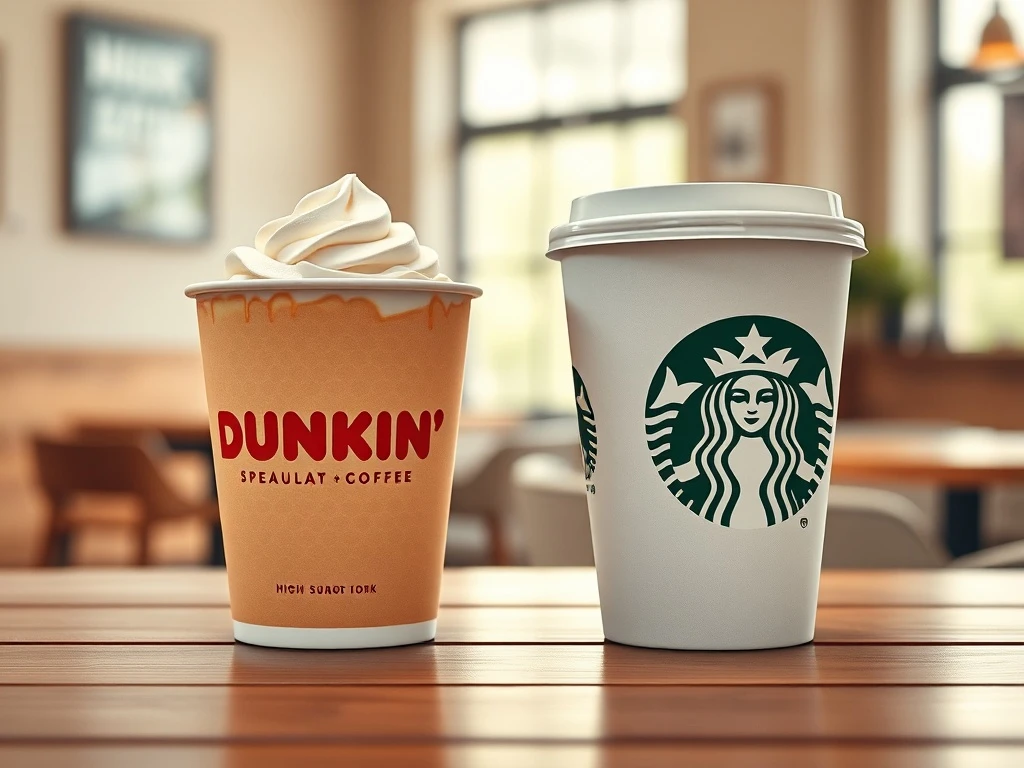
WASHINGTON, D.C. — May 15, 2026: Independent presidential candidate Robert F. Kennedy Jr. sparked immediate pushback from health policy experts and industry representatives after publicly questioning the safety of popular sugary beverages sold by Dunkin’ and Starbucks. During a campaign stop in Philadelphia, Kennedy cited specific high-calorie menu items, framing their widespread consumption as a pressing public health issue. His comments, delivered at a midday rally, quickly ignited a debate that intersects politics, nutrition science, and consumer choice. The reaction underscores the complex and often contentious landscape of dietary guidelines in the United States.
RFK Jr’s Comments on Sugary Drink Safety
Kennedy’s remarks focused on the nutritional profile of signature sweetened beverages. He specifically mentioned drinks like the Dunkin’ Caramel Craze Iced Coffee and the Starbucks Caramel Ribbon Crunch Frappuccino, noting their high sugar and calorie content. “When you look at the amount of processed sugar in some of these large specialty drinks, it exceeds the daily added sugar limit recommended by the American Heart Association in a single serving,” Kennedy stated, according to a transcript provided by his campaign. He argued that while adults can make informed choices, the aggressive marketing and normalization of such products contribute to broader health challenges, including obesity and type 2 diabetes. His campaign later clarified he was raising a question of public awareness, not advocating for a ban.
The timeline of events moved rapidly. Kennedy made the comments around 1:30 PM ET. By 3:00 PM, social media reactions began to split along predictable lines. Industry statements started to arrive by late afternoon. This sequence highlights how comments on consumer products from political figures can trigger swift, multi-sector responses in the modern media cycle.
Immediate Pushback and Critical Reactions
The response to Kennedy’s safety questioning was swift and pointed. Critics emerged from nutrition science, public policy, and the business community. They challenged both the framing of “safety” and the practicality of his implied concerns.
- Industry Defense: The National Coffee Association issued a statement emphasizing consumer choice and portion control. A representative for Dunkin’ pointed to their expanded menu, which includes zero-sugar options and clear nutritional labeling available online and in stores.
- Expert Critique of Framing: Dr. Anya Sharma, a nutritional epidemiologist at the Johns Hopkins Center for Human Nutrition, argued that labeling sugary drinks as a “safety” issue conflates different public health concepts. “Safety typically refers to contamination or acute toxicity,” Dr. Sharma explained. “The health risks from sugary drinks are related to chronic, excessive consumption contributing to metabolic disease. It’s a matter of long-term dietary pattern, not the immediate safety of the product itself.”
- Political Reaction: Some policy analysts viewed the comments as an attempt to tap into populist concerns about corporate influence on health. Others criticized it as oversimplifying a complex issue of personal responsibility and food environment.
Nutritional Experts and Institutional Responses
The scientific community’s response highlighted the nuanced reality of sugar consumption. Dr. Marcus Thorne, a professor of public health policy at Georgetown University, noted that while Kennedy’s concern aligns with established dietary guidance, his approach may be counterproductive. “The Dietary Guidelines for Americans clearly advise limiting added sugars to less than 10% of daily calories,” Thorne said. “However, effective public health communication involves education and enabling healthier choices, not singling out specific commercial products in a politicized context.” He referenced successful public health campaigns that reduced sugary drink consumption through education and small taxes, not safety warnings. The American Heart Association’s published guidelines on added sugars, which recommend no more than 36 grams per day for men and 25 grams for women, served as a key external data point in the discussion.
Broader Context of Sugary Drink Regulations
Kennedy’s comments enter a long-running debate about how to address sugary drink consumption. Several cities, including Philadelphia, Berkeley, and Seattle, have implemented soda taxes aimed at curbing consumption and funding health programs. The table below compares the approach of public health policy with the framing of Kennedy’s comments.
| Policy Approach | Primary Mechanism | Key Argument |
|---|---|---|
| Municipal Soda Taxes | Price signal to reduce consumption; revenue for health programs | Addresses health externalities and funds solutions |
| Menu Labeling Laws (Federal/State) | Information disclosure (calories on menus) | Empowers informed consumer choice |
| Marketing Restrictions (Proposed) | Limiting advertising to children | Protects vulnerable populations |
| “Safety” Questioning (Kennedy’s Frame) | Political discourse and public scrutiny | Raises awareness but lacks a clear policy pathway |
This incident also recalls past moments where political figures commented on food culture, such as debates over school lunch programs or former First Lady Michelle Obama’s “Let’s Move!” campaign. The key difference lies in Kennedy’s direct naming of specific corporate brands and use of the term “safety,” which escalates the rhetorical stakes.
What Happens Next: Campaign and Industry Trajectories
The immediate consequence is likely a sustained news cycle focusing on Kennedy’s platform regarding public health and corporate accountability. Policy analysts expect his campaign to release a more detailed position paper on food system issues, potentially outlining proposals for enhanced warning labels or marketing reforms. For Dunkin’ and Starbucks, the event is a minor reputational blip. However, it reinforces the ongoing pressure on food and beverage companies to diversify their portfolios with lower-sugar and “better-for-you” options. Both chains have already made significant strides in this direction, a trend that will continue irrespective of political commentary.
Stakeholder Reactions and Public Response
Public reaction on social media and news comment sections revealed a familiar divide. Some consumers applauded Kennedy for “telling the truth” about unhealthy products, while others viewed it as governmental overreach into personal choice. Small business advocates, like the National Association of Convenience Stores, warned against policies that could hurt franchise owners. “The vast majority of our members offer a full range of choices, from sugar-free energy drinks to bottled water,” a spokesperson stated. “Customers vote with their wallets every day.” This spectrum of reaction shows how a comment about beverages can quickly touch on deeper American values of liberty, health, and commerce.
Conclusion
RFK Jr.’s questioning of Dunkin’ and Starbucks sugary drink safety ignited a rapid-fire debate that transcends a simple nutrition fact. The episode highlights the tension between individual dietary responsibility and the influence of the food environment. While experts agree on the health risks of excessive added sugar, they differ on the most effective and accurate messaging to address it. The primary takeaway is that comments from political figures can instantly amplify complex public health issues, but sustainable solutions require evidence-based policy, not just rhetoric. Moving forward, observers should watch for whether this discussion evolves into concrete policy proposals within Kennedy’s campaign or remains a standalone moment of political commentary. The response from Dunkin’ and Starbucks will likely focus on reinforcing their commitments to choice and transparency, rather than engaging directly in the political fray.
Frequently Asked Questions
Q1: What exactly did RFK Jr. say about Dunkin’ and Starbucks drinks?
During a campaign event on May 15, 2026, RFK Jr. pointed to high-sugar menu items like the Caramel Craze Iced Coffee and Caramel Ribbon Crunch Frappuccino, questioning their safety due to sugar content that can exceed daily recommended limits in a single serving.
Q2: Why are health experts critical of his “safety” framing?
Nutrition experts like Dr. Anya Sharma argue that “safety” typically refers to immediate hazards like contamination. The health risks from sugary drinks are chronic diseases linked to long-term overconsumption, making it more an issue of dietary pattern than product safety.
Q3: What has been the official response from Dunkin’ and Starbucks?
Both companies have highlighted their commitment to consumer choice, pointing to expanded menus with zero-sugar options and readily available nutritional information. They emphasize providing a range of products to meet different preferences.
Q4: How much sugar is actually in these drinks?
According to company nutrition data, a large Dunkin’ Caramel Craze Iced Coffee can contain over 60 grams of sugar, while a venti Starbucks Caramel Ribbon Crunch Frappuccino has about 85 grams. The American Heart Association recommends a daily maximum of 36 grams for men and 25 grams for women.
Q5: Has this type of political commentary on food happened before?
Yes, debates over school lunches, soda taxes, and initiatives like Michelle Obama’s “Let’s Move!” campaign have previously politicized dietary health. Kennedy’s comments are notable for directly naming specific commercial brands.
Q6: Could this lead to new regulations on sugary drinks?
While the comments alone are unlikely to spur federal regulation, they could influence the public debate. Existing local policies, like soda taxes in several cities, are more directly shaped by sustained public health advocacy and legislative action.