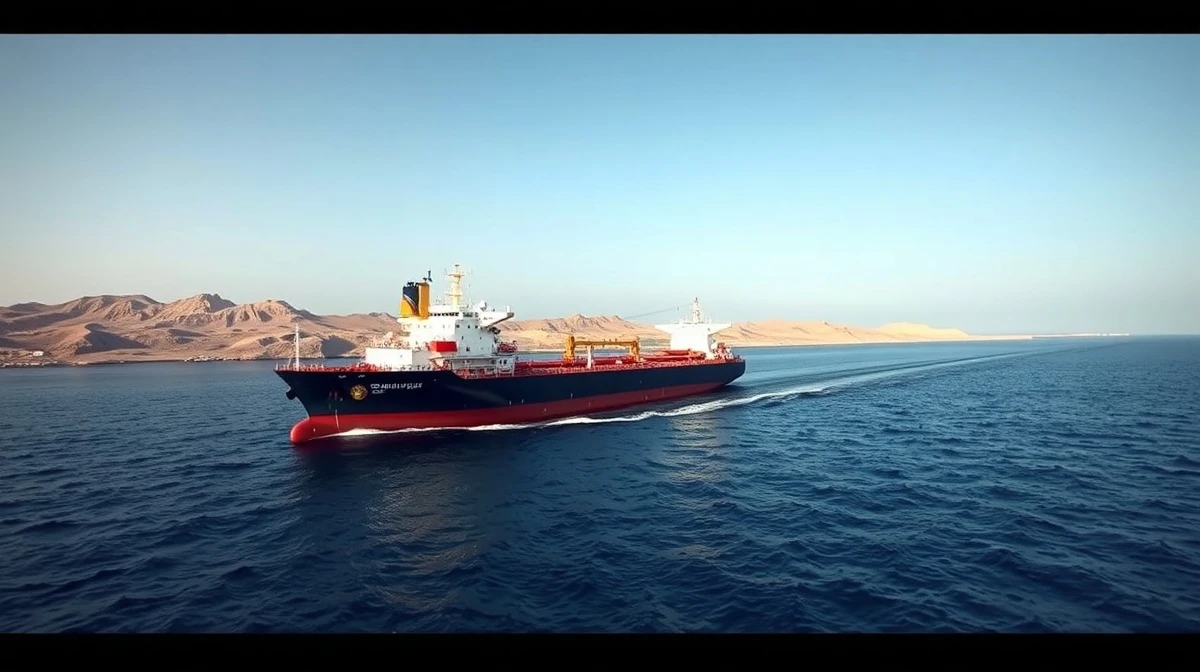
SEOUL/TOKYO – March 15, 2026: Officials in South Korea and Japan are deliberating renewed calls from former U.S. President Donald Trump for a regional coalition to secure the Strait of Hormuz, according to diplomatic sources. The strategic waterway remains a critical chokepoint for global oil shipments.
Diplomatic Deliberations Underway
The discussions follow recent public statements by Trump urging key Asian allies to contribute more directly to maritime security in the Middle East. While no formal proposals have been exchanged, the topic has been raised in bilateral and trilateral dialogues involving U.S. officials.
South Korea’s Foreign Ministry confirmed it is “reviewing all options to ensure energy security and stability.” A Japanese Defense Ministry official stated that any potential deployment would require careful legal and parliamentary consideration.
The Strategic Stakes of the Strait
The Strait of Hormuz is arguably the world’s most important oil transit corridor. U.S. Energy Information Administration data indicates approximately 21 million barrels of oil pass through it daily. This represents nearly one-third of global seaborne traded oil.
Disruptions in the strait can cause immediate spikes in global oil prices. Both South Korea and Japan are almost entirely dependent on energy imports, making the route vital to their national economies.
Historical Context and Past Deployments
The debate is not new. During the Trump administration, similar calls were made for allied contributions to a maritime surveillance mission. In early 2020, South Korea initially agreed to expand its naval presence in the region but later scaled back its plans.
Japan, constrained by its pacifist constitution, has deployed maritime Self-Defense Force vessels to the region for information-gathering purposes. Any significant combat-capable deployment would face substantial political and public scrutiny in both nations.
Japan’s official policy emphasizes diplomatic efforts and the protection of its national vessels.
Regional and Global Implications
A joint South Korean and Japanese naval commitment would mark a significant shift in regional security posture. It would also test the limits of their often-fraught bilateral security cooperation.
Analysts note such a move could be viewed as provocative by Iran, which borders the strait. It also raises questions about the long-term structure of U.S.-led security coalitions in the region.
What Comes Next
Diplomatic sources suggest formal responses from Seoul and Tokyo are unlikely before high-level consultations with Washington are completed. The domestic political climate in each country, including public opinion on overseas military deployments, will be a decisive factor.
Any operational planning would involve complex logistics, rules of engagement, and a clear definition of the mission’s scope. For now, the deliberations remain preliminary, focused on assessing risks and aligning strategic interests.
This article was produced with AI assistance and reviewed by our editorial team for accuracy and quality.