
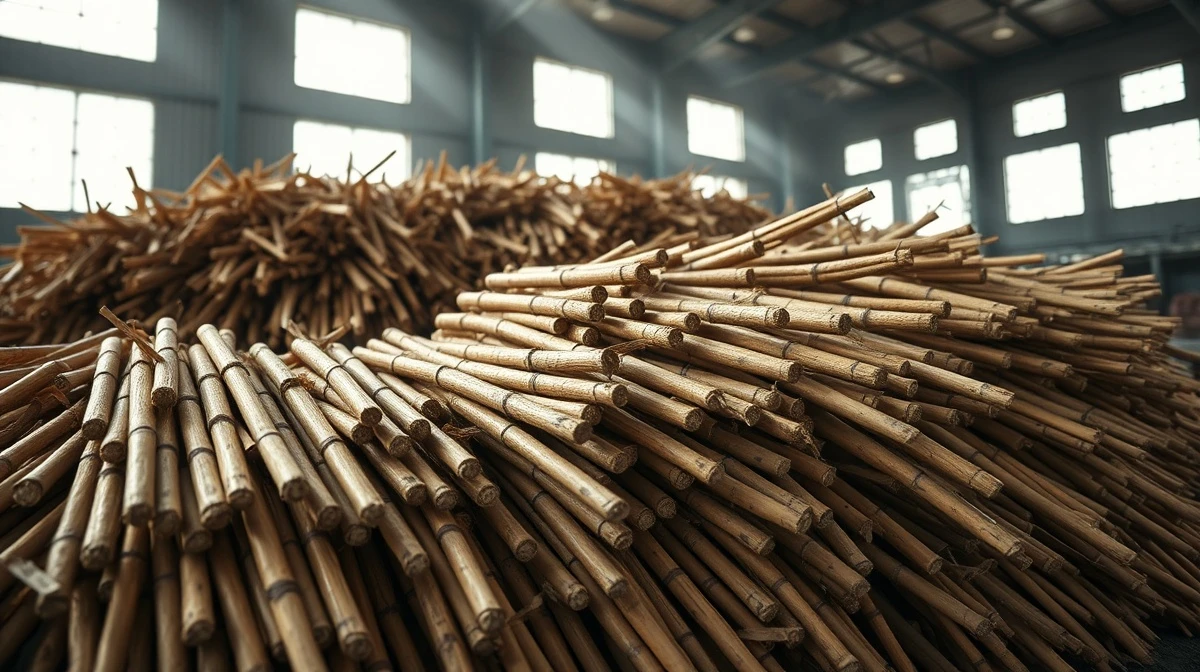
March 20, 2026 — Sugar futures surged to a five-month high in New York trading, propelled by a sharp rally in gasoline prices that is increasing demand for ethanol. The commodity’s gains come despite recent forecasts for a continued global surplus.
May NY world sugar #11 (SBK26) closed up 2.15%, while May London ICE white sugar #5 (SWK26) also finished higher. Analysts linked the immediate price support to energy markets, where gasoline futures rose more than 5% to a 3.5-year peak. Higher gasoline prices make biofuel production more economically attractive, potentially diverting cane from sugar mills to ethanol plants.
Supply Disruptions Add Pressure
Constrained trade flows are providing additional support. According to analysis from Covrig Analytics, the closure of the Strait of Hormuz has curtailed roughly 6% of the world’s sugar trade, limiting refined sugar output. This logistical bottleneck is tightening near-term supplies even as broader production forecasts remain elevated.
The rally marks a sharp reversal from earlier this month, when prices plunged to 5.25-year lows on surplus concerns. Market sentiment has been dominated by expectations of ample global production.
Conflicting Surplus Forecasts
Several major analysts have recently published projections for continued oversupply, though estimates vary. On February 11, sugar trader Czarnikow said it expects a global sugar surplus of 3.4 million metric tons (MMT) for the 2026/27 crop year, following an 8.3 MMT surplus in 2025/26.
Green Pool Commodity Specialists, in a January 29 report, projected a 2.74 MMT surplus for 2025/26. StoneX, on February 13, estimated a 2025/26 surplus of 2.9 MMT.
The International Sugar Organization (ISO), in its February 27 forecast, predicted a 1.22 MMT surplus for 2025-26, a shift from a 3.46 MMT deficit the previous year. The ISO attributed the change to increased production in India, Thailand, and Pakistan, forecasting global output to rise 3.0% year-over-year to 181.3 million MMT.
Regional Production Signals Mixed
Recent data from key producing nations shows a complex picture. In Brazil, sugar production in the Center-South region for the second half of January fell 36% year-over-year to just 5,000 MT, according to a February 18 report from industry group Unica. Cumulative output for the 2025-26 season through January, however, was up 0.9%.
India’s production remains robust. The Indian Sugar and Bio-energy Manufacturers Association (ISMA) reported that sugar output from October 1 to March 15 was up 10.5% year-over-year at 26.2 MMT. The group recently projected full 2025/26 production at 29.3 MMT, though it also reduced its estimate for sugar diverted to ethanol production. This change could free up more sugar for export.
India, the world’s second-largest producer, approved an additional 500,000 MT of sugar for export on February 13, adding to a 1.5 MMT quota approved in November.
Long-Term USDA Outlook
The U.S. Department of Agriculture (USDA), in a bi-annual report released December 16, projected record global sugar production of 189.318 MMT for 2025/26, a 4.6% annual increase. The USDA’s Foreign Agricultural Service predicted record output in Brazil (44.7 MMT) and a 25% surge in Indian production to 35.25 MMT, driven by favorable weather and expanded acreage.
Despite the projected rise in production, the USDA forecast that global ending stocks would fall 2.9% by the end of the 2025/26 season.
What’s Next for Sugar Markets
Traders are now balancing near-term bullish factors—high energy prices and trade disruptions—against the prevailing analyst consensus for ample future supply. Price direction will likely hinge on the ongoing balance between ethanol demand and actual sugar export volumes from major producers like India and Brazil. Market participants will monitor upcoming crop reports and energy market trends closely for signals.
For official data and reports, see the International Sugar Organization and the USDA’s Foreign Agricultural Service.
This article was produced with AI assistance and reviewed by our editorial team for accuracy and quality.



