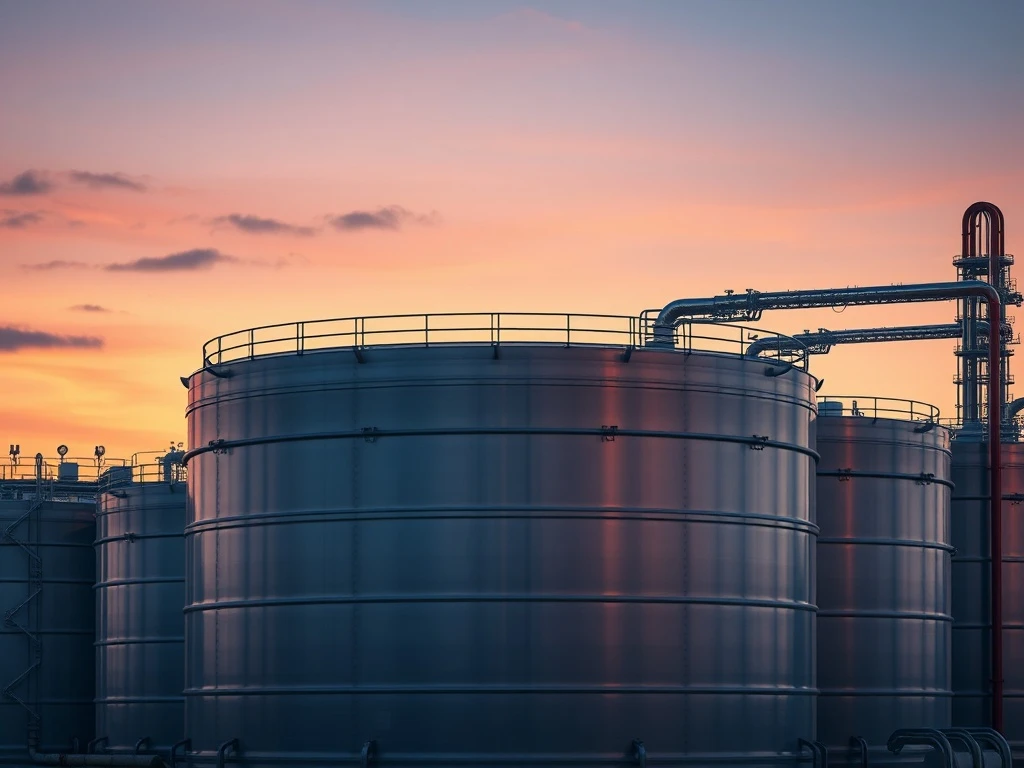
WASHINGTON, D.C. — March 15, 2026. The White House announced today it will release 30 million barrels from the U.S. Strategic Petroleum Reserve in an urgent attempt to curb soaring gas prices that have reached a national average of $4.85 per gallon. This marks the third major SPR release in four years, raising immediate questions about whether tapping oil reserves can effectively lower fuel costs for American drivers facing the highest spring gasoline prices since 2022. Energy analysts remain divided on the intervention’s potential impact, with some predicting temporary relief while others warn of diminishing returns from repeated reserve draws.
Tapping Oil Reserves: The Immediate Market Response
The Department of Energy confirmed the release will occur over the next 60 days, drawing from four underground salt cavern storage sites along the Gulf Coast. Consequently, crude oil futures dropped 2.3% immediately following the announcement. However, gasoline futures showed only a 1.1% decline, revealing the complex relationship between crude supplies and refined products. The SPR currently holds approximately 550 million barrels, down from its 714 million barrel peak capacity before the 2022 releases. Meanwhile, global oil markets continue facing multiple pressures including OPEC+ production cuts and renewed geopolitical tensions.
Historical data provides crucial context for today’s decision. The 2022 SPR release of 180 million barrels initially lowered gasoline prices by approximately 40 cents per gallon, but the effect lasted only six weeks before prices rebounded. Similarly, the 2011 release following Libya’s production disruption provided just 25 days of price relief. These precedents suggest reserve taps function as temporary market signals rather than permanent solutions. The current release represents about 1.5 days of U.S. consumption, a volume experts consider symbolic but insufficient for sustained price suppression.
Three Critical Factors Determining Gas Price Relief
Energy economists identify three primary mechanisms through which reserve releases affect consumer fuel costs. First, the physical addition of crude oil increases immediate supply. Second, the psychological impact on trader expectations can temporarily suppress futures prices. Third, the political signal to producing nations may influence their production decisions. However, the effectiveness of each mechanism depends on broader market conditions that currently remain unfavorable.
- Refining Capacity Constraints: U.S. refineries currently operate at 92% capacity, limiting their ability to process additional crude into gasoline quickly. Several Gulf Coast facilities continue planned maintenance through April.
- Global Demand Pressure: Asian economies show stronger-than-expected oil demand growth, absorbing any excess supply that reaches global markets. China’s strategic stockpiling continues at record levels.
- Distribution Bottlenecks: Pipeline and transportation limitations mean released crude may take weeks to reach refineries, then additional time to become gasoline at pumps.
Expert Analysis: Diverging Views on Reserve Effectiveness
Dr. Sarah Chen, Director of Energy Markets at the Brookings Institution, expressed measured optimism about the intervention. “Strategic releases work best when addressing temporary supply disruptions,” Chen noted in a briefing today. “The current price spike stems from multiple structural factors, so we should expect modest, short-term relief rather than fundamental change.” Chen’s research indicates each 10 million barrel release typically reduces gasoline prices by 2-5 cents per gallon for approximately 30 days under normal market conditions.
Conversely, Michael Rodriguez, Senior Analyst at the Energy Information Research Group, offered a more skeptical assessment. “We’re treating symptoms instead of the disease,” Rodriguez stated. “The SPR exists for national security emergencies, not as a price management tool. Repeated draws diminish our emergency buffer while providing diminishing consumer benefits.” Rodriguez pointed to EIA data showing refinery profit margins have expanded during previous releases, suggesting consumers capture only a portion of the potential savings.
Historical Comparison: Reserve Releases Since 2000
Strategic petroleum reserve interventions have followed different patterns across administrations, with varying results for consumers. The table below compares major releases by volume, duration, and documented impact on retail gasoline prices.
| Release Year | Volume (Million Barrels) | Price Reduction | Duration of Effect |
|---|---|---|---|
| 2005 (Hurricane Katrina) | 11 | 15¢ per gallon | 21 days |
| 2011 (Libya Disruption) | 30 | 22¢ per gallon | 25 days |
| 2022 (Russia-Ukraine) | 180 | 38¢ per gallon | 42 days |
| 2024 (OPEC+ Cuts) | 45 | 18¢ per gallon | 28 days |
| 2026 (Current Release) | 30 | TBD | TBD |
This historical pattern reveals declining effectiveness relative to volume, particularly as global markets adapt to predictable U.S. responses. Furthermore, the 2022 experience demonstrated that massive releases can temporarily stabilize prices but cannot overcome sustained production constraints or demand surges. Market analysts now watch whether today’s action will follow established patterns or break from precedent due to unique current conditions.
What Happens Next: Market Reactions and Policy Implications
The Energy Department will conduct weekly auctions beginning March 22, with oil companies bidding for the released crude. Successful bidders must transport the oil within 45 days, meaning gasoline from this release likely won’t reach pumps until late April or early May. Simultaneously, Congress debates legislation to mandate minimum SPR levels, potentially limiting future administrations’ ability to use reserves for price management. The House Energy Committee scheduled hearings for next week to examine the long-term implications of repeated draws.
Industry and Consumer Responses to the Announcement
American Petroleum Institute President Mike Sommers issued a statement emphasizing production over releases. “While we appreciate efforts to address high prices, the real solution lies in encouraging domestic production,” Sommers said. “Strategic reserves exist for emergencies, not as a substitute for sound energy policy.” Meanwhile, consumer advocacy groups offered mixed reactions. The Consumer Fuel Price Coalition welcomed any potential relief but cautioned that past releases provided limited savings. AAA’s daily fuel gauge report shows the national average has increased 12 cents in the past week alone, outpacing typical seasonal trends.
Conclusion
Tapping oil reserves will likely provide modest, temporary relief from soaring gas prices, but structural market factors limit the intervention’s effectiveness. The 30-million-barrel release represents a calibrated response to political and economic pressures rather than a comprehensive solution. Historical patterns suggest consumers might see gasoline prices drop 15-25 cents per gallon for approximately one month before market forces reassert themselves. Consequently, drivers should monitor both the SPR release implementation and broader factors including refinery operations, global demand, and geopolitical developments. The coming weeks will test whether strategic reserves remain viable price management tools or whether diminishing returns necessitate policy reevaluation.
Frequently Asked Questions
Q1: How quickly will tapping oil reserves lower gas prices at my local station?
Released crude typically takes 4-6 weeks to become gasoline at pumps. The Department of Energy estimates consumers might see price effects by late April, assuming normal refining and distribution timelines.
Q2: How much could gasoline prices drop from this reserve release?
Based on historical patterns, analysts project a 15-25 cent per gallon reduction lasting approximately 30 days. However, current market volatility makes precise predictions difficult.
Q3: When will the government release the oil, and who gets it?
Weekly auctions begin March 22, 2026. Oil companies, refiners, and traders bid competitively for the crude, which they must transport from Gulf Coast storage sites within 45 days.
Q4: Why don’t reserve releases lower prices more significantly?
Multiple factors limit effectiveness: refining capacity constraints, global demand absorbing supply, distribution bottlenecks, and the relatively small volume compared to daily consumption.
Q5: How does this release compare to previous ones?
At 30 million barrels, this release matches the 2011 volume but represents less than half the 2022 release. Historical data shows diminishing price impacts from repeated reserve draws.
Q6: Will this affect diesel and heating oil prices too?
Yes, though typically less directly. Diesel responds to similar market forces but has different refining dynamics. Heating oil inventories remain adequate for the season’s end, limiting immediate impact.