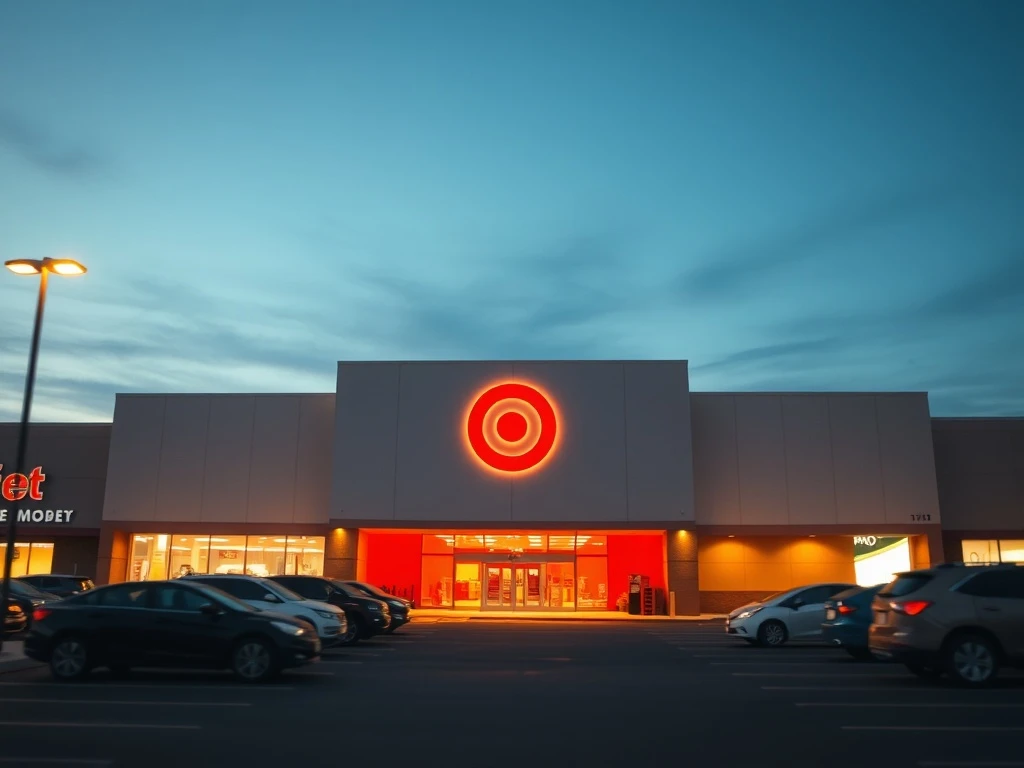
MINNEAPOLIS, March 15, 2026 — Retail giant Target Corporation will open its 2,000th store in the United States next month, the company confirmed today. This milestone kicks off an aggressive, decade-long strategy to open hundreds of additional locations, signaling a major bet on physical retail growth amid evolving consumer habits. The 2,000th store, a new small-format design, will open in Henderson, Nevada, on April 10, 2026. This expansion plan, detailed in a corporate roadmap to 2036, represents one of the most significant brick-and-mortar growth initiatives in modern retail, directly challenging the narrative of a purely digital future.
Target’s 2,000th Store Marks a Strategic Inflection Point
Target’s journey to 2,000 stores encapsulates decades of strategic pivots. The company operated roughly 1,900 stores for several years, focusing on remodeling existing locations and enhancing digital capabilities. The upcoming opening in Henderson breaks that plateau. “Reaching 2,000 stores is a symbolic and operational milestone,” stated Brian Cornell, Target’s Chairman and CEO, in the official announcement. “It reflects our confidence in the role our stores play as hubs for same-day services, community connection, and product discovery.” The new store will be approximately 45,000 square feet, part of Target’s successful small-format portfolio tailored for urban and dense suburban markets. Company data shows these smaller stores often achieve higher sales per square foot than their traditional counterparts.
Analysts point to post-pandemic recalibration as a key driver. “The pandemic proved the necessity of a robust store network for fulfillment,” explains Dr. Melissa Chen, a retail strategist at the Global Retail Insights Institute. “Target’s same-day services like Drive Up and Order Pickup, which rely entirely on local inventory, saw sustained growth of over 15% year-over-year. Expanding the store count directly expands the capacity and speed of this ecosystem.” The company’s capital expenditure plan, outlined in its latest 10-K filing, allocates over $4 billion annually for the next three years specifically for new stores, remodels, and supply chain enhancements to support the expansion.
The 2036 Roadmap: Hundreds of New Stores and Market Implications
Target’s “Forward 2036” plan outlines a multi-pronged expansion strategy. The company will open between 20 and 30 new stores annually for the next decade, with a net increase of over 300 locations by 2036. This growth will focus on three key areas: filling gaps in existing markets, entering new metropolitan regions, and strengthening presence in high-growth Sun Belt states. Consequently, the expansion will create an estimated 50,000 new retail jobs and generate significant local tax revenue in host communities. The strategy also involves closing a limited number of underperforming locations, resulting in a net gain.
- Market Penetration: Deepening presence in regions where Target has high brand affinity but lower store density per capita, such as the Northeast and parts of California.
- Format Innovation: Rolling out next-generation store designs that integrate digital and physical shopping more seamlessly, including enhanced backroom areas for order picking.
- Logistics Network: Each new store acts as a micro-fulfillment center, shortening last-mile delivery times and reducing shipping costs, a critical advantage in competitive e-commerce.
Expert Analysis on Retail’s Physical Future
Industry observers see Target’s move as a bellwether. “This is a clear statement that omnichannel retail requires omnichannel assets,” says Michael Rodriguez, Managing Director of Consumer Research at Barclays, citing the firm’s recent industry report. “You cannot profitably fulfill online orders for low-margin essentials like paper towels and laundry detergent from distant warehouses. Target is placing inventory closer to where people live and work.” The expansion also pressures competitors. Walmart, with over 4,700 U.S. stores, continues its own remodel program but has a slower rate of new store openings. Meanwhile, regional chains must now compete with an incoming Target in more markets.
Comparing the Big Box Expansion Strategies
Target’s growth surge places it in direct comparison with other major retailers navigating the post-2020 landscape. While all emphasize omnichannel capabilities, their physical footprint strategies differ markedly. Target’s plan is notably more aggressive in net new stores than some rivals, focusing on strategic fill-in and new market entry.
| Retailer | Current U.S. Store Count (Est. 2026) | 2026-2036 Expansion Strategy | Primary Format Focus |
|---|---|---|---|
| Target | ~2,000 | Net +300+ new stores | Small-format, suburban fill-in |
| Walmart | ~4,700 | Remodels, select new Supercenters | Supercenter modernization |
| Costco | ~600 | ~10-15 new warehouses/year | Large warehouse clubs |
| Kohl’s | ~1,100 | Optimization, few new stores | Traditional department store |
What Comes Next: Site Selection and Community Impact
The execution of this plan hinges on sophisticated site selection. Target’s real estate team utilizes predictive analytics modeling population growth, traffic patterns, and competitive saturation. The next wave of openings, already slated for 2027, includes locations in Boise, Idaho; Wilmington, North Carolina; and Albany, New York—cities identified as having high growth potential but limited current Target access. Local governments often offer incentives for Target developments, which anchor shopping centers and drive foot traffic. However, the arrival can strain small businesses and local traffic infrastructure, a point of contention in some communities where plans are announced.
Stakeholder Reactions: From Wall Street to Main Street
Investor reaction has been cautiously optimistic. Target’s stock (TGT) saw a 2.5% increase in after-hours trading following the announcement, reflecting approval of the growth capital allocation. “The market is rewarding clarity and a long-term vision,” noted a Bloomberg Markets analyst. On the ground, reactions are mixed. Chamber of Commerce leaders in expansion cities welcome the jobs and shopping options. “A Target store is a quality-of-life indicator for many families,” said the president of the Henderson Chamber. Independent retailers, however, express concern. “It’s hard to compete with their buying power and prices on staples,” shared the owner of a home goods store in a market slated for a new Target.
Conclusion
Target’s opening of its 2,000th store is far more than a numeric milestone; it is the launchpad for the most ambitious physical expansion in the company’s modern history. The plan to add hundreds of stores by 2036 underscores a fundamental strategic belief: that a dense, modern, and flexible store network is a competitive moat in an omnichannel world. This expansion will reshape retail corridors, create tens of thousands of jobs, and intensify competition across the country. Success will depend on flawless execution, adaptive store formats, and the continued consumer appeal of the Target brand. The retail industry will watch closely as this decade-long blueprint unfolds, starting with the doors opening in Henderson this April.
Frequently Asked Questions
Q1: Where and when is Target’s 2,000th store opening?
Target’s 2,000th store is scheduled to open on April 10, 2026, in Henderson, Nevada. It will be a new small-format design, approximately 45,000 square feet.
Q2: How many new stores does Target plan to open in the next decade?
Target’s “Forward 2036” plan outlines opening between 20-30 stores annually, aiming for a net increase of over 300 new store locations across the United States by the year 2036.
Q3: Why is Target expanding its physical stores when so much shopping is online?
Target’s stores are critical hubs for fulfilling online orders through same-day services like Drive Up and Order Pickup. Expanding the store network places inventory closer to customers, making e-commerce faster and more profitable, especially for everyday essentials.
Q4: What types of communities will get new Target stores?
The expansion will focus on three areas: filling gaps in existing metropolitan markets, entering new mid-sized metropolitan regions, and increasing presence in high-growth Sun Belt states where population is rising rapidly.
Q5: How does Target’s expansion compare to Walmart’s?
Walmart has a much larger existing footprint (over 4,700 U.S. stores) and is focused more on remodeling its vast network. Target’s plan is more aggressive in terms of net new store openings, targeting strategic fill-in locations and new markets where it has little presence.
Q6: What does this expansion mean for people looking for retail jobs?
Target estimates the decade-long expansion will create approximately 50,000 new retail jobs in stores, distribution, and corporate support roles across the country, offering a significant boost to local employment in chosen markets.