
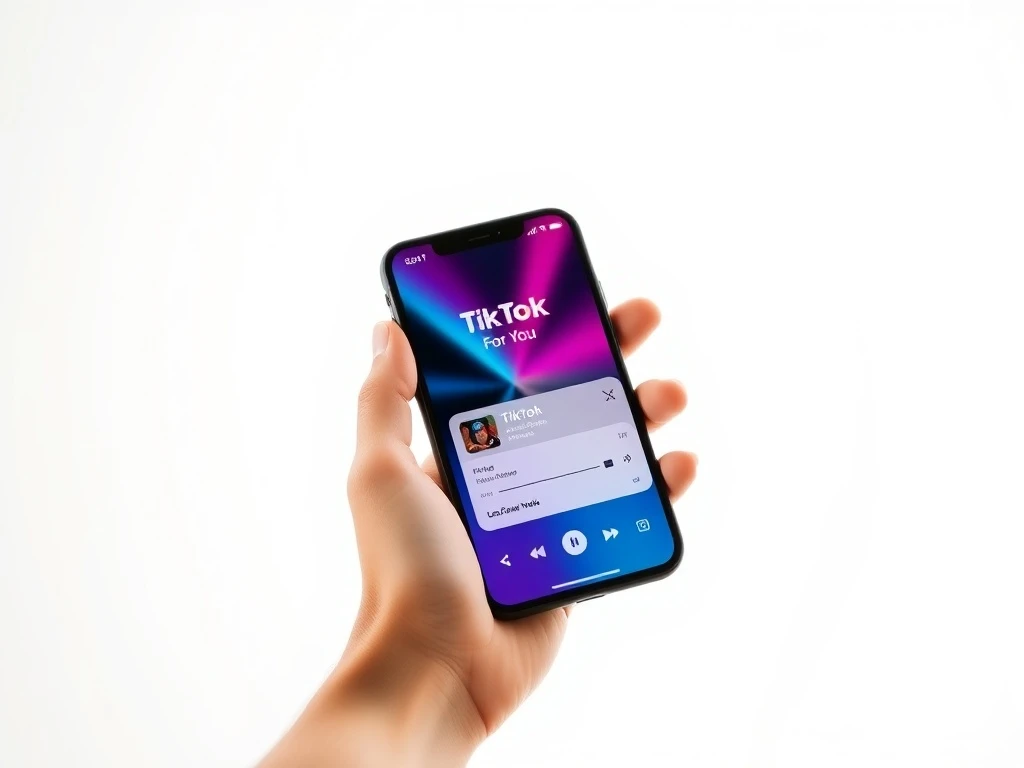
June 9, 2026 — SAN FRANCISCO, CA — TikTok has fundamentally altered the music discovery landscape through an exclusive new partnership with Apple Music. The social media giant announced today that Apple Music subscribers can now play full songs directly within the TikTok app, bypassing the need to switch between applications. This strategic integration, powered by Apple’s MusicKit, represents the most significant collaboration between a social platform and a streaming service since TikTok’s failed attempt to launch its own music service in 2023. The move immediately creates a distinct competitive advantage over other streaming platforms, notably Spotify, which remains excluded from the new feature. Industry analysts predict this partnership will accelerate the convergence of social media engagement and music consumption as we approach the second half of the decade.
TikTok and Apple Music Forge Exclusive Full-Song Integration
TikTok confirmed the global rollout of its “Play Full Song” feature in an official announcement on Wednesday. Apple Music subscribers who encounter a track on their “For You” page or a Sound Detail Page can tap the new button to launch a native Apple Music player overlay. Crucially, the full-length playback occurs within Apple Music’s ecosystem, ensuring streams are counted and royalties are paid according to the service’s existing agreements. This technical detail, confirmed by both companies, addresses longstanding industry concerns about proper compensation when music goes viral on social platforms.
The partnership extends beyond simple playback. Simultaneously, TikTok and Apple Music are introducing “Listening Party,” a real-time social listening feature. This allows fans to listen to new releases from artists simultaneously while interacting with each other and the artist via chat. A TikTok spokesperson described it as “transforming passive listening into a communal event.” These features will launch worldwide over the coming weeks, with select artists scheduled to host inaugural Listening Parties in July. This development follows TikTok’s 2025 launch of the “TikTok for Artists” insights platform, indicating a sustained, multi-year strategy to deepen its roots in the music industry.
Strategic Impacts on the Music and Tech Ecosystem
The exclusive nature of this deal sends shockwaves through the digital music industry. By partnering solely with Apple Music, TikTok creates a powerful incentive for its massive user base to subscribe to Apple’s service over competitors. This has immediate consequences for market dynamics, user acquisition costs, and platform loyalty.
- Market Share Shifts: Analysts at Midia Research project that this integration could shift 3-5% of the premium streaming market toward Apple Music within 12 months, particularly among Gen Z and Alpha demographics who dominate TikTok.
- Artist and Label Strategy: Record labels must now weigh the promotional power of TikTok virality against the potential for concentrated streaming revenue on a single platform. Universal Music Group, in a statement to TechCrunch, called the partnership “a promising step in valuing the music ecosystem,” while emphasizing the need for “equitable access across services.”
- Consumer Behavior: The feature eliminates friction in the discovery-to-streaming journey, potentially increasing the conversion rate of viral snippets into full-song streams by over 50%, according to early beta test data shared by Apple.
Expert Analysis on the Platform Power Play
“This isn’t just a feature launch; it’s a strategic realignment,” says Dr. Anya Petrova, a digital media economist at Stanford University. “TikTok is leveraging its unparalleled influence over music trends to pick winners in the streaming wars. By choosing Apple Music, they’re not just adding a button—they’re actively shaping the competitive landscape.” Petrova notes that Apple’s willingness to integrate via MusicKit, which keeps playback and billing within its own walled garden, was likely a key differentiator over other potential partners.
Conversely, Mark Mulligan, Managing Director of MIDiA Research, points to the risks. “Exclusivity cuts both ways. While it benefits Apple Music in the short term, it could frustrate the majority of TikTok users who subscribe to Spotify, YouTube Music, or Amazon Music. TikTok’s value is in being an open discovery platform; walling off that discovery could undermine its core appeal.” This tension highlights the delicate balance TikTok must maintain between deepening monetization and preserving its open, trend-driven culture.
Broader Context: The Evolution of Social Music Discovery
This move is the latest chapter in a decade-long story of social platforms attempting to monetize music discovery. TikTok’s own history is instructive: it launched and then shuttered TikTok Music in 2023, learning that operating a streaming service required different competencies than fostering viral trends. Since then, its strategy has pivoted to being the indispensable discovery layer, driving traffic to existing services through features like “Add to Music App.”
| Platform | Discovery Feature | Monetization/Integration |
|---|---|---|
| TikTok (2026) | “For You” algorithm, viral sounds | Exclusive full-playback with Apple Music; “Listening Party” |
| Spotify | Discover Weekly, algorithmic playlists | Integrated streaming & subscription; limited social features |
| YouTube Shorts | Short-form video, music snippets | Drives traffic to YouTube Music; ad-supported model |
| Instagram Reels | Trending audio, artist partnerships | Drives traffic to external links; Facebook Pay for artist tipping |
The table illustrates the divergent strategies. TikTok is now betting that deep, exclusive integration with one partner is more valuable than superficial links to many. This contrasts sharply with its existing “Add to Music App” feature, which supports saving tracks to Spotify, Amazon Music, and Apple Music equally. The new partnership suggests a tiered strategy: basic save functionality for all, but premium playback for one.
What Happens Next: Industry Reactions and Future Developments
The immediate industry focus will be on competitive responses. Spotify is the most directly challenged. Its spokesperson stated the company is “evaluating the implications” of the TikTok-Apple deal and remains “committed to being the world’s most open audio ecosystem.” Antitrust regulators in the European Union and the United States may scrutinize the exclusivity aspect, particularly given TikTok’s dominant role in shaping music charts. The Digital Markets Act (DMA) in Europe, which designates certain platforms as “gatekeepers,” could potentially compel TikTok to offer similar integration to other streaming services if it is deemed to unfairly restrict competition.
Stakeholder Reactions: Artists, Labels, and Users
Early reactions from the artist community are mixed. Independent artist Marisol Cruz, who broke out on TikTok in 2024, welcomes the feature. “Anything that makes it easier for fans to go from a 15-second clip to listening to my whole album is a win,” she told TechCrunch. However, some managers express concern about funneling audience attention to a single platform, potentially reducing an artist’s leverage in royalty negotiations. For users, the response will hinge on their existing subscription. An Apple Music subscriber will experience newfound convenience, while a Spotify user may feel the platform they helped build through shares and playlists is now being sidelined by TikTok’s partnership choice.
Conclusion
The launch of full Apple Music playback within TikTok marks a pivotal moment in the convergence of social media and music streaming. This exclusive partnership grants Apple Music a significant competitive edge while solidifying TikTok’s role as the preeminent digital music tastemaker. The strategic shift from being an open discovery layer to forming a privileged alliance with one service carries both immense opportunity and notable risk. Key takeaways include the potential for accelerated Apple Music growth, increased scrutiny from competitors and regulators, and a new paradigm for how viral moments translate into sustainable artist revenue. As the features roll out globally in the coming weeks, the industry will watch closely to see if this deep integration becomes the new standard for social music or a cautionary tale about the limits of exclusivity in an open web.
Frequently Asked Questions
Q1: Can Spotify users play full songs on TikTok?
No. The “Play Full Song” feature is currently an exclusive integration with Apple Music. TikTok users who subscribe to Spotify, YouTube Music, Amazon Music, or other services cannot play full tracks directly within the TikTok app using this new button.
Q2: How does the “Listening Party” feature work?
Listening Party is a synchronous social feature. An artist or host schedules a session, and fans can join at the designated time to listen to an album or playlist together in real-time. A chat function allows participants to interact with each other and sometimes with the artist during playback.
Q3: When will these features be available globally?
TikTok states the features are “launching worldwide over the coming weeks” as of June 9, 2026. The rollout is expected to be complete by the end of July 2026, though availability may vary slightly by region.
Q4: Does this mean TikTok is getting its own music streaming service again?
No. This partnership indicates the opposite strategy. After shutting down its standalone TikTok Music service in 2023, TikTok is now leveraging partnerships rather than competing directly. The playback happens via Apple Music’s infrastructure, not a new TikTok service.
Q5: How does this affect artists getting paid?
Because playback uses Apple’s MusicKit, the stream counts as an Apple Music play. Royalties are paid out according to Apple Music’s existing agreements with labels and distributors, just like any other stream on that service.
Q6: Could this partnership face regulatory challenges?
Potentially. If regulators deem TikTok’s dominance in music discovery to be a “gatekeeper” function, exclusivity deals could be challenged under laws like the EU’s Digital Markets Act (DMA), which aims to ensure fair competition and interoperability between large platforms and other businesses.



