
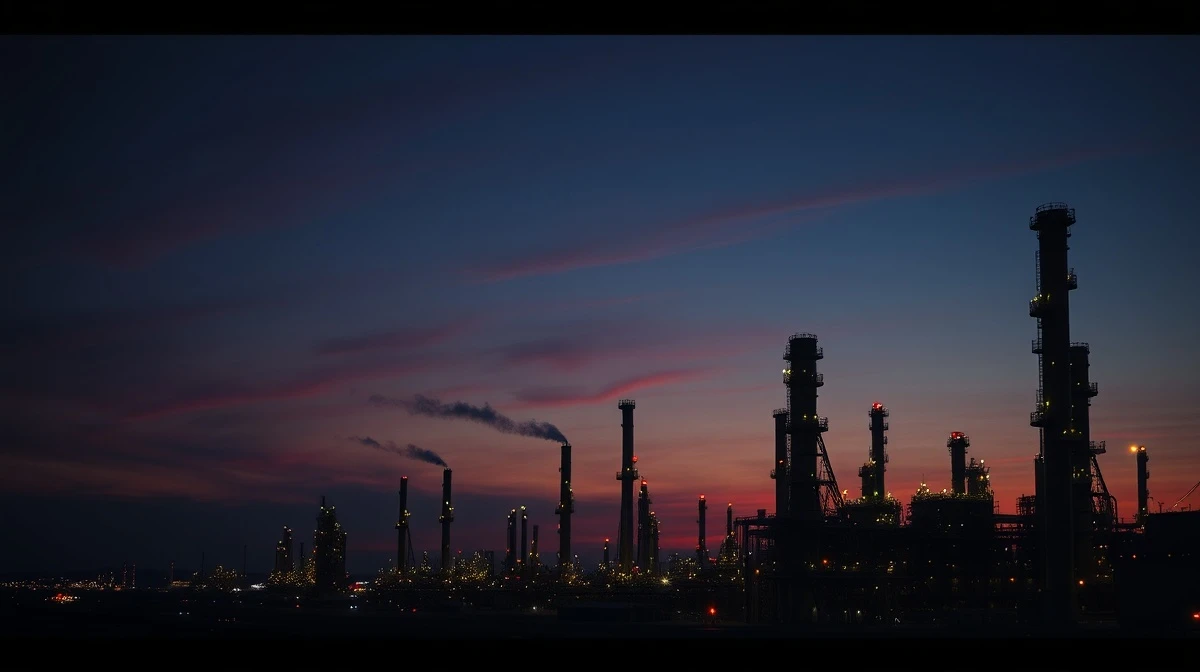
March 30, 2026 — Former President Donald Trump has stated the United States could “take the oil in Iran,” reviving a controversial policy idea from his time in office. The remarks, made during a recent campaign rally, have drawn immediate criticism and renewed questions about the stability of global energy supplies.
Statement Revives Past Proposal
Trump’s suggestion is not new. During his presidency, he repeatedly floated the idea of seizing Middle Eastern oil assets, particularly from Iran and Syria. He argued it could serve as compensation for military operations and a source of revenue. This latest comment indicates the concept remains a part of his policy outlook.
Also read: BoJ Members Split on Rate Hike Path
“We’re in a position where we could do that,” Trump reportedly told supporters. He framed the potential action within a broader critique of current U.S. foreign policy. The statement lacked specific operational details or a timeline.
Legal and Diplomatic Hurdles Are Immense
International law experts were quick to respond. Seizing another nation’s sovereign resources would constitute a clear violation of international law. Such an act would be viewed as an act of war or illegal confiscation.
Also read: USD/CAD Nears 1.3900 on Middle East Tension Fears
According to the United Nations Charter, the use of force is prohibited except in self-defense or with Security Council authorization. A unilateral seizure of assets does not meet these criteria. Past attempts by nations to expropriate resources have led to decades-long legal battles and sanctions.
Diplomatic fallout would be severe. European and Asian allies, many of which rely on stable energy imports, would likely condemn the action. It could fracture international coalitions and trigger retaliatory measures.
Market and Geopolitical Implications
Even as a rhetorical threat, the statement impacts markets. Oil prices have shown increased volatility in recent years due to regional tensions. Analysts note that any serious discussion of military action against Iranian infrastructure injects a major risk premium into trading.
Iran holds the world’s fourth-largest proven oil reserves. A significant disruption to its exports, whether from conflict or seizure, would tighten global supply. The Strait of Hormuz, a critical chokepoint for oil shipments, would become a focal point of extreme tension.
Data from the U.S. Energy Information Administration shows that despite sanctions, Iran has managed to increase crude exports to approximately 1.5 million barrels per day. A confrontation could remove a sizable volume from the market.
Regional Security Concerns
The suggestion also alarms security officials. Iran has previously threatened to retaliate against any attack on its interests. Its network of proxy forces across the Middle East and its missile capabilities present a significant threat to U.S. personnel and allies like Israel and Saudi Arabia.
This could signal a return to a more confrontational posture. The Biden administration pursued a policy of containment and diplomatic engagement, albeit with limited success. Trump’s comments point toward a potential strategy of maximum economic and military pressure.
Political Reaction and Next Steps
The White House and State Department have not issued an official response to Trump’s latest remarks. Current U.S. policy remains focused on diplomatic efforts to constrain Iran’s nuclear program. A State Department spokesperson recently reiterated the goal of a “diplomatic solution.”
Critics from both major parties have condemned the idea. Some labeled it reckless and a threat to national security. Supporters argue it demonstrates a willingness to use American power assertively.
For now, the proposal exists only as campaign rhetoric. But it highlights a stark divide in American foreign policy thinking. The debate centers on the use of force, international law, and energy security. As the political cycle intensifies, such statements will keep markets and diplomats on edge.
What this means for investors is continued uncertainty. Energy sector volatility is likely to persist as geopolitical risks are repriced. The ultimate impact depends on whether these ideas transition from the campaign trail to concrete policy proposals.

This article was produced with AI assistance and reviewed by our editorial team for accuracy and quality.



