Significant delays at Transportation Security Administration checkpoints across major U.S. airports have led to mounting passenger frustration, sparking a political debate over security staffing and funding. Reports from multiple travel hubs describe wait times exceeding 90 minutes during peak periods in recent weeks.
Passengers Report Widespread Delays
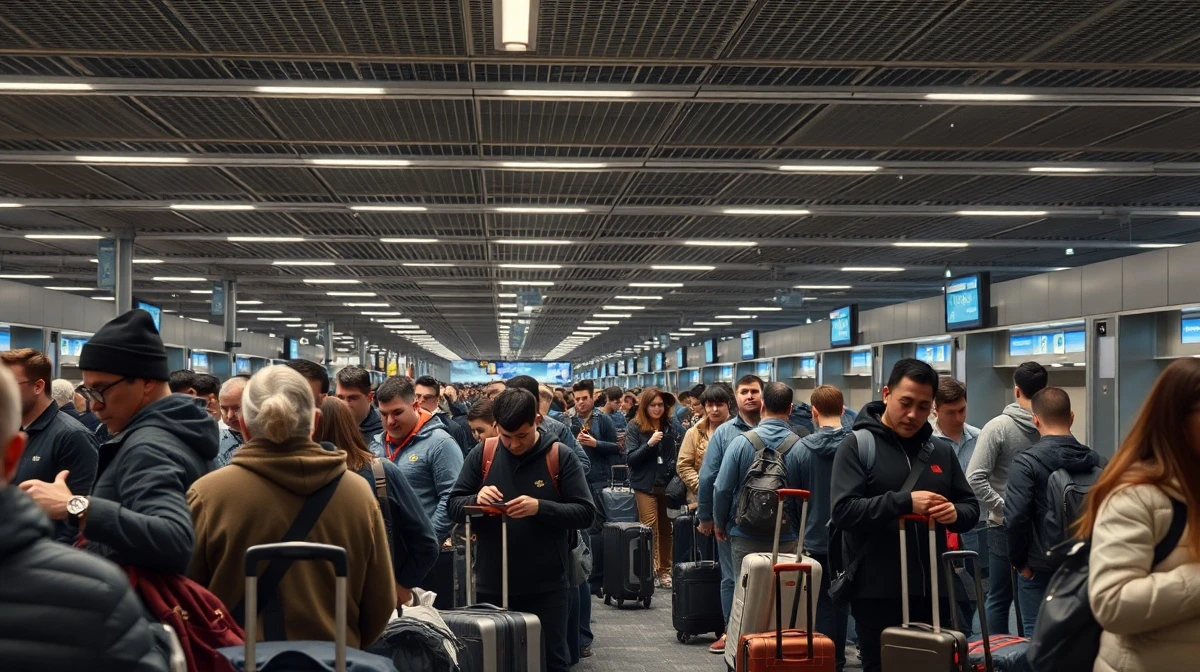
Travelers have taken to social media and customer complaint platforms to document lengthy queues. Images and videos show crowded security halls with lines snaking through terminal corridors. Many passengers report missing flights despite arriving at airports two to three hours before departure.
Industry analysts note that spring break travel volumes have compounded existing staffing challenges. Airport operations data indicates passenger throughput has returned to pre-pandemic levels, but TSA officer numbers at some locations have not kept pace. The agency has acknowledged the strain on its systems.
Political Messaging Enters the Fray
The operational issue has quickly taken on a political dimension. Republican lawmakers and affiliated groups have circulated messages urging travelers to “thank a Democrat” for the extended wait times. This messaging links the delays to congressional debates over federal agency budgets and security policies.
Official statements from the TSA avoid direct commentary on the political rhetoric. Instead, the agency emphasizes its recruitment efforts and operational adjustments. A spokesperson recently stated that the TSA is “aggressively hiring” and implementing measures like optimized lane management to improve flow.
Staffing and Policy Context
Security experts point to a confluence of factors behind the congestion. A tighter labor market has made recruitment for federal screeners competitive. Simultaneously, revised protocols and enhanced screening requirements for certain items have increased processing time per passenger.
Congressional appropriations for the Department of Homeland Security, which oversees the TSA, have been a subject of protracted negotiation. Funding levels directly impact the agency’s ability to maintain and expand its frontline workforce. Travel industry advocates have called for a resolution to ensure consistent security operations.
Traveler Advice and Industry Response
Airlines and airports advise passengers to check specific wait times via the official TSA website or mobile apps before heading to the airport. Enrolling in trusted traveler programs like TSA PreCheck or CLEAR can provide access to expedited lanes, though standard lanes are experiencing the most severe backups.
The U.S. Travel Association, an industry group, has highlighted the economic impact of inefficient security processing. “The travel experience begins at security,” a representative noted in a recent statement. “Persistent delays threaten consumer confidence and the sector’s recovery.”
Looking Ahead
The TSA anticipates continued high travel volumes through the spring and summer seasons. Agency officials say they are deploying additional canine teams and overtime assignments to critical airports. Whether these measures will sufficiently reduce wait times remains a pressing question for millions of scheduled travelers.
The political debate over responsibility for the delays is likely to intensify as the travel season peaks. For now, passengers are advised to build extra time into their airport itineraries and monitor real-time conditions for their departure terminals.
This article was produced with AI assistance and reviewed by our editorial team for accuracy and quality.