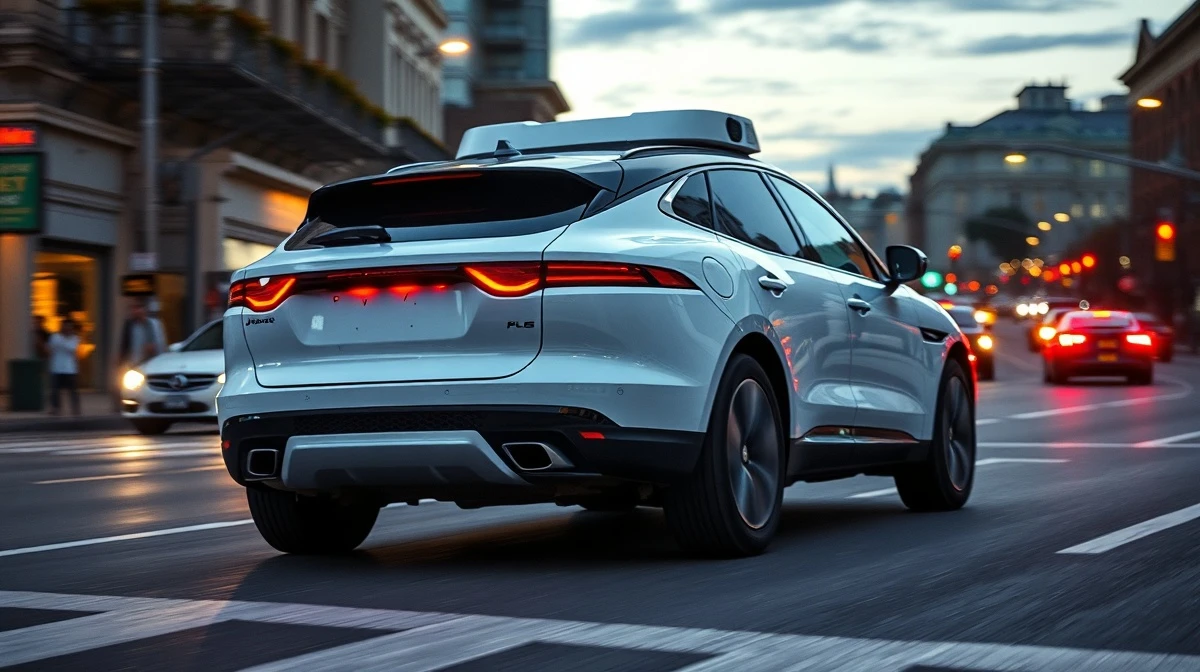
March 27, 2026 — Waymo is now completing 500,000 paid robotaxi rides each week across ten major U.S. metropolitan areas, the company announced this week. The figure represents a tenfold increase in average weekly trips in less than two years, signaling rapid commercial expansion for the Alphabet-owned autonomous vehicle leader.
Exponential Growth in Rides and Markets
In May 2024, Waymo averaged 50,000 paid weekly robotaxi trips. The jump to half a million weekly rides highlights accelerated adoption. The company has also dramatically expanded its operational footprint beyond its initial markets of Phoenix, San Francisco, and Los Angeles.
Also read: SoftBank's $40B Loan Fuels OpenAI IPO Speculation
Over the past year, Waymo launched services in seven Sun Belt cities: Austin, Atlanta, Miami, Dallas, Houston, San Antonio, and Orlando. This geographic spread provides the company with a significant presence in warm-weather regions conducive to year-round autonomous vehicle testing and operation.
Fleet Efficiency and New Technology
While ridership has surged, Waymo’s disclosed fleet size has remained relatively steady. Data provided to the National Highway Traffic Safety Administration (NHTSA) in December 2025 showed the company operated 3,067 robotaxis equipped with its fifth-generation self-driving system. The company continues to cite an “over 3,000” fleet count.
Also read: SK Hynix Files for US IPO to Boost AI Memory Valuation
The combination of a stable fleet size and skyrocketing ride numbers indicates Waymo is achieving higher vehicle utilization. Improved efficiency is critical for profitability and for addressing public concerns about empty vehicles contributing to urban congestion.
A technological shift is imminent. Waymo plans to introduce its sixth-generation self-driving system on new vehicle platforms, including the Zeekr minivan (known as the Ojai) and the Hyundai Ioniq 5. This hardware update could enable further scaling of the fleet and service capabilities.
Regulatory Scrutiny and Competitive Environment
Waymo’s growth has attracted increased regulatory attention. Both NHTSA and the National Transportation Safety Board (NTSB) have opened investigations into incidents involving Waymo vehicles and school buses. In San Francisco, city officials have questioned the company’s protocols for retrieving immobilized vehicles, including its occasional reliance on police and fire department personnel.
Despite its growth, Waymo’s scale remains a fraction of the human-driven ride-hailing market. Uber reported approximately 13.5 billion completed trips across its ride-hailing and delivery platforms in 2025, according to securities filings. In August 2024, Uber stated it completed more than one million mobility trips per hour.
Several competitors are advancing their own paid robotaxi services, though most trail Waymo’s commercial deployment. Tesla launched a limited paid robotaxi service in Austin in January 2026 but lacks the permits required for a full service in California. Companies including Avride, Hyundai-owned Motional, and Zoox are targeting commercial robotaxi launches in various markets.
Chinese firms like Pony.ai and WeRide operate paid robotaxi services but do not currently operate in the United States.
What Comes Next
Waymo’s primary challenge is scaling its service while managing regulatory relationships and public perception in expanding cities. The deployment of its sixth-generation hardware will be a key test of its ability to maintain reliability while growing its fleet. Industry observers will watch whether the company’s utilization rates can continue to climb as it adds more vehicles and enters more competitive transportation markets.
For more information on autonomous vehicle regulations, visit the NHTSA’s automated vehicles portal. Waymo’s official announcements can be found on the company’s blog.

This article was produced with AI assistance and reviewed by our editorial team for accuracy and quality.