
April 13, 2026 – The price of West Texas Intermediate crude oil rocketed higher, gaining roughly 8% in early trading to approach $100 per barrel. The sharp move followed an announcement from the United States government that it was establishing a naval blockade of the Strait of Hormuz.
Market Reaction to a Major Chokepoint Closure
Trading screens flashed red as the news hit. WTI, the US benchmark, leapt from around $92.50 to trade near $99.80. The global Brent crude benchmark saw a similar spike. This is the most significant single-day price jump since the early 2020s. Market data from the CME Group shows futures volume spiking to more than double the 30-day average within the first hour.
Also read: Yen Slides as Dollar Gains on US-Iran Talks Collapse
The Strait of Hormuz is arguably the world’s most important oil transit corridor. According to the U.S. Energy Information Administration, an average of 21 million barrels of oil per day flowed through it in 2023. That represents about 21% of global petroleum liquids consumption. The blockade effectively severs a primary artery for oil exports from Saudi Arabia, Iran, the United Arab Emirates, Kuwait, and Iraq.
Official Announcement and Immediate Fallout
The US Department of Defense issued a statement confirming the action. It cited “an immediate and credible threat to international maritime security” as the justification. The statement did not specify a timeline for the blockade’s duration. Naval forces were ordered to halt and inspect all vessels attempting to transit the narrow waterway.
Also read: NZD/USD Pressured Below 0.5800 by Stronger Dollar
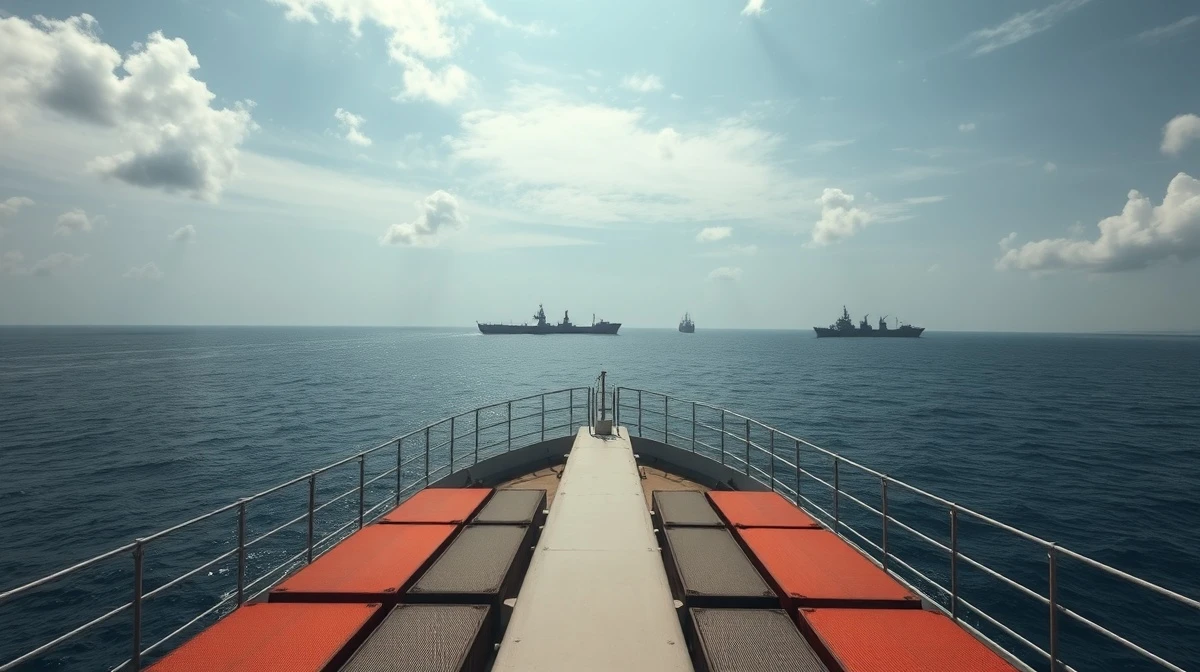
Shipping data from MarineTraffic showed at least 15 very large crude carriers (VLCCs) and numerous other tankers either anchored outside the strait or altering course. Industry analysts note that rerouting oil shipments around the Arabian Peninsula is possible but adds significant cost and time. The alternative route via the Bab el-Mandeb strait and the Suez Canal also presents its own logistical and security challenges.
“This is a supply shock of the highest order,” said one senior energy trader at a major investment bank, who declined to be named due to firm policy. “The market is pricing in a massive and immediate physical shortage. The question is how long it lasts.”
Broader Energy and Economic Implications
The price surge reverberated beyond the crude pits. Gasoline and heating oil futures also posted major gains. The S&P 500 energy sector jumped, but broader stock indices fell on fears of inflationary pressure and economic disruption. The US dollar strengthened as a safe-haven asset.
For consumers, the implication is a near-certain rapid increase in prices at the pump. The American Automobile Association warned that gasoline prices, which had been averaging $3.85 per gallon nationally, could see an increase of 25 to 40 cents per gallon in the coming days if the situation persists. This injects new uncertainty into the Federal Reserve’s ongoing battle with inflation.
European and Asian governments are urgently assessing their strategic petroleum reserves. The International Energy Agency, which coordinates releases from member countries’ reserves, has not yet commented. A coordinated release would be a likely next step to calm markets.
Geopolitical Context and Regional Tensions
The Strait of Hormuz has been a flashpoint for decades. Iran has repeatedly threatened to close the waterway during periods of heightened tension with the US and its allies. This US-led blockade, however, represents a dramatic escalation. Regional powers, including Iran and Saudi Arabia, are expected to issue strong condemnations.
The blockade also risks significant escalation in ongoing regional conflicts. Security analysts point to the potential for miscalculation or a localized incident to spiral. The US Fifth Fleet, based in Bahrain, is leading the operation. You can read the U.S. Naval Forces Central Command’s public statements on their official website.
What Happens Next
All eyes are on the duration of the blockade. A short-term, tactical operation may cause a price spike that gradually recedes. A prolonged closure would force a fundamental restructuring of global oil logistics and could keep prices elevated for an extended period. The market will also watch for any diplomatic communications aimed at resolving the underlying crisis that prompted the US action.
For now, volatility is guaranteed. Traders are bracing for wild swings as each new headline hits. The immediate physical oil market is seizing up, with buyers scrambling for non-Middle Eastern cargoes from the US, West Africa, and the North Sea. Data from the EIA on US production and exports will be scrutinized more closely than ever. The latest weekly petroleum status report is available on the EIA’s website.
The coming days will test global energy security arrangements and the resilience of supply chains reshaped after the Ukraine war. The $100 per barrel level, once a psychological barrier, now looks like a potential floor, not a ceiling.

This article was produced with AI assistance and reviewed by our editorial team for accuracy and quality.



