
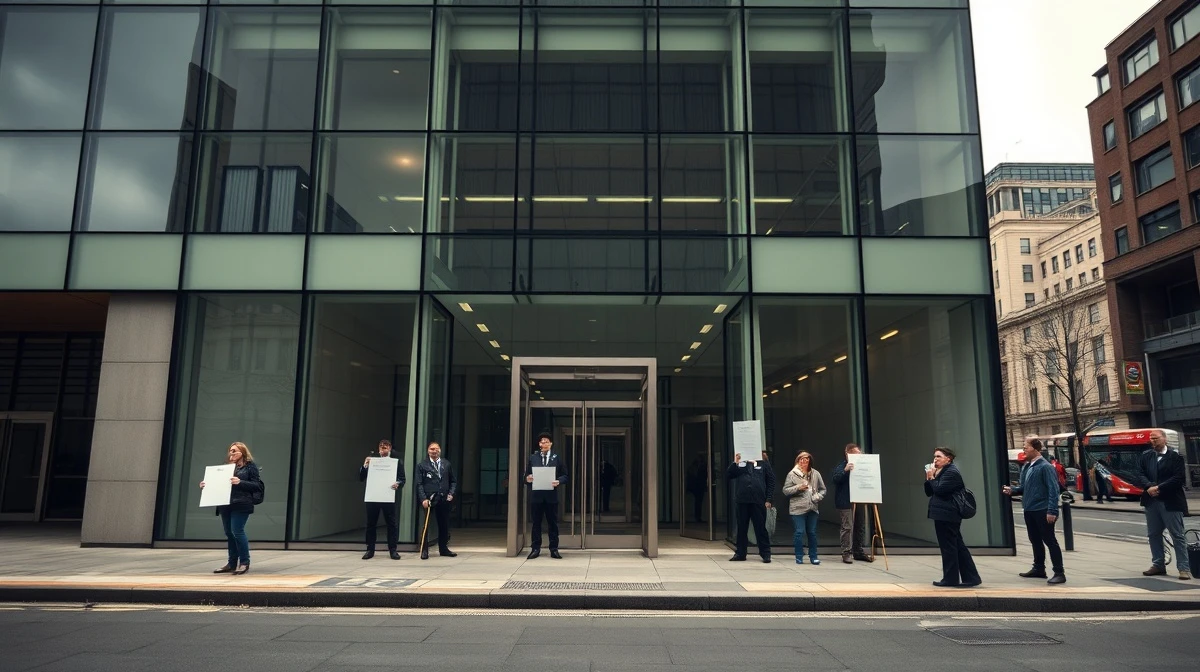
Insurance giant Allianz has publicly defended its decision to pursue legal action against a group of Palestine activists, arguing that protests at its UK offices caused employees ‘anxiety, distress and intimidation.’ The company’s stance, outlined in a recent court filing, has reignited debate over the boundaries of corporate legal responses to political demonstrations.
Background of the dispute
The lawsuit stems from a series of protests organized by Palestine Action, a group that targets companies it alleges are complicit in Israeli policies. Activists staged demonstrations outside Allianz’s offices in London and other UK locations, accusing the insurer of investing in firms that supply military equipment to Israel. Allianz has denied these allegations.
Also read: How to Surf Turbulent Markets: A Guide for Investors
In its legal submission, Allianz argued that the protests went beyond peaceful assembly, causing ‘significant disruption’ to its operations and ‘psychological harm’ to staff. The company described the activists’ actions as ‘intimidatory’ and said the lawsuit was a ‘proportionate and appropriate’ response to protect its employees and business.
Legal and ethical implications
The case raises questions about the balance between the right to protest and corporate responsibilities to safeguard staff. Legal experts note that UK law permits peaceful protest but does not shield activists from civil claims if their actions cause harassment, alarm, or distress.
Also read: Gold edges lower to near $4,150 as US–Iran peace uncertainty and hawkish Fed signals weigh
Palestine Action has condemned the lawsuit as a ‘strategic lawsuit against public participation’ (SLAPP), designed to silence critics through costly litigation. The group maintains that its protests were nonviolent and lawful, and that Allianz is using legal threats to chill dissent.
Impact on corporate activism
This dispute is part of a broader trend where corporations increasingly turn to litigation to counter activist campaigns. Critics argue that such lawsuits can deter legitimate protest, while companies contend they are necessary to maintain workplace safety and operational integrity.
The outcome of the Allianz case could set a precedent for how UK courts handle claims involving protest-related distress, particularly when companies are not directly accused of wrongdoing but are targeted based on investment decisions.
Conclusion
Allianz’s defense of its lawsuit underscores the growing tension between corporate security concerns and activist freedoms. As the case proceeds, it will test the legal limits of protest liability and may influence how other companies respond to similar campaigns. For now, the insurance firm remains firm in its position that legal action is the appropriate remedy for what it describes as ‘unlawful harassment’ of its workforce.
FAQs
Q1: Why is Allianz suing Palestine activists?
Allianz claims that protests at its UK offices caused employees anxiety, distress, and intimidation, and it is seeking legal remedies to prevent further disruption.
Q2: What is Palestine Action’s response to the lawsuit?
Palestine Action has called the lawsuit a SLAPP suit intended to suppress legitimate protest, and it denies that its demonstrations were unlawful or intimidating.
Q3: Could this case affect future protests in the UK?
Yes, the court’s ruling may clarify the legal boundaries of protest-related distress claims, potentially influencing how companies and activists approach similar disputes.

