
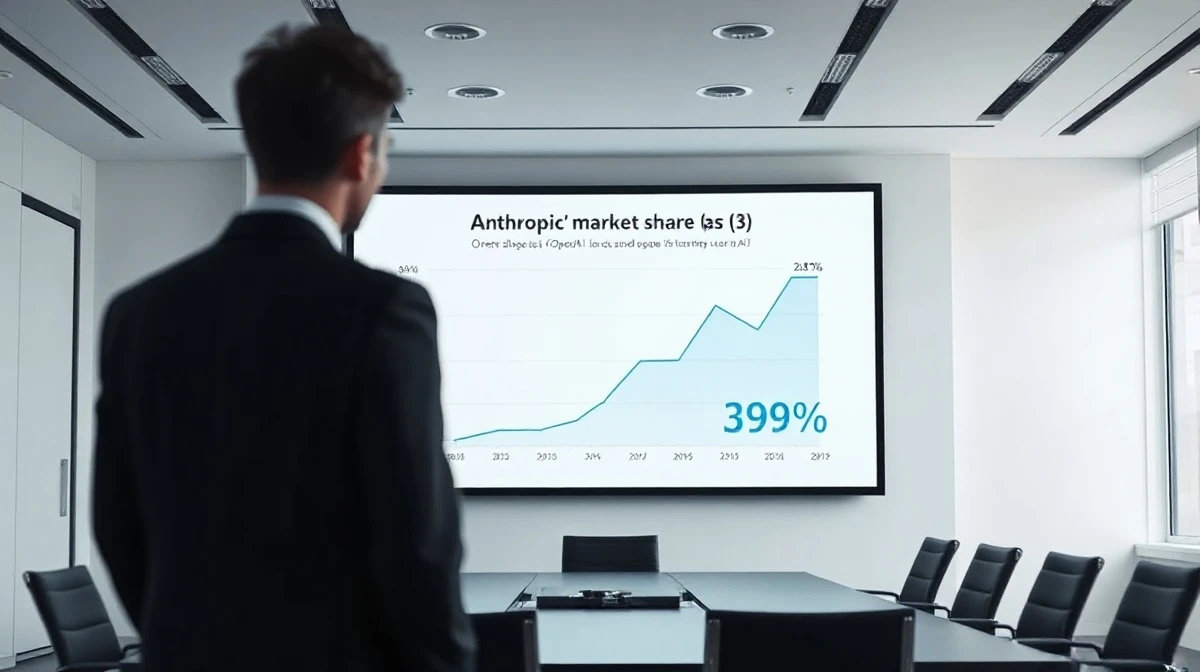
Anthropic has just wrapped up a month that would be remarkable even without a public feud with the White House. The AI lab finished May by surpassing OpenAI in business spending market share for the first time, according to data from Ramp, the expense-management platform. It raised $65 billion at a $965 billion valuation — also topping OpenAI — and then filed confidential paperwork for an IPO, reportedly on the strength of its first profitable quarter.
Then on Friday, the Trump administration escalated its conflict with the model maker. It sent a letter demanding Anthropic ban non-Americans — including its own employees — from accessing its most advanced models: the limited-release Mythos 5 and the publicly available Fable 5, which had launched just three days earlier. The White House invoked an obscure export control directive, though the exact rationale remains unclear. The chatter among industry observers is that hackers easily bypassed Fable 5’s guardrails, which were designed to prevent access to Mythos’ capabilities. That model is so proficient at finding security flaws in software code that Anthropic itself marketed it as dangerous and restricted its public release.
Also read: MacPaw and Liquid AI partner to bring on-device AI inference to SetApp developers
A pattern of government friction
This latest drama follows Anthropic’s refusal in March to allow the government to use its models for mass surveillance of Americans or fully autonomous weapons. The Trump administration responded by declaring the company a supply chain risk. That designation, however, did not deter business sales. Quite the opposite, Ramp’s data shows.
Ramp’s lead economist Ara Kharazian, who compiled the business spending AI data, told TechCrunch the feud may actually help Anthropic. “If anything, it’ll probably boost them,” Kharazian said. “Anthropic’s best month on record, as far as business adoption, was the month that the Department of Defense labeled them a supply chain risk. There’s a lot of aura that comes with your model specifically being named too dangerous to use.”
Also read: Musk now spends nearly half of Tesla earnings calls talking AI and robots, analysis finds
What the Ramp data actually shows
Ramp’s data, drawn from more than 70,000 businesses using its platform, reveals that customers heavily use Anthropic’s Opus models and that business adoption has been growing steadily. In May, Anthropic’s share of AI subscriptions paid for by businesses rose 2.5 percentage points to 41%, compared to OpenAI’s 39.5%, which was essentially flat from the prior month. (OpenAI still leads in overall consumer usage, according to Sensor Tower data.)
Beyond subscriptions, the vast majority of business spending on AI goes to API calls for token use in activities like coding. Anthropic’s Claude Code has a strong reputation as a powerful AI coding tool. Ramp cannot always see which specific models businesses are using — it can identify model details in about one-third of transactions — but when it can, businesses are mostly spending on various flavors of Claude Opus, particularly later versions. Opus is the model that preceded Mythos and remains openly available. In late May, Anthropic released Opus 4.8. Mythos had been available only to limited users since April, and Fable 5 was shut down after a few days.
IPO implications remain uncertain
While the sales data paints a bullish picture, the government controversy could complicate Anthropic’s path to going public. Public-market investors tend to be wary of companies embroiled in disputes with the government. Still, the numbers indicate that Anthropic’s available models are more popular with businesses than ever before, and the company’s first profitable quarter provides a strong foundation for its IPO narrative.
The irony is not lost on industry observers: a government action designed to limit Anthropic’s reach may have inadvertently validated the very power of its models that drives business demand.
Frequently Asked Questions
What did the Trump administration demand from Anthropic in June?
The administration sent a letter demanding Anthropic ban non-Americans, including its own employees, from accessing its state-of-the-art models Mythos 5 and Fable 5, citing an obscure export control directive. This forced Anthropic to pull Fable 5 from the market.
How did Anthropic’s business sales perform despite the government feud?
According to Ramp’s data from over 70,000 businesses, Anthropic’s share of AI subscriptions rose to 41% in May, surpassing OpenAI’s 39.5%. The company’s best month for business adoption was the same month the Department of Defense labeled it a supply chain risk.
Why might the government controversy help Anthropic’s sales?
Ramp’s lead economist Ara Kharazian said the government’s actions create an ‘aura’ around Anthropic’s models being too dangerous to use, which can drive business interest and adoption. The controversy validates the power of its models, particularly the coding-focused Mythos.
What models are businesses actually using from Anthropic?
Ramp’s data shows businesses are mostly spending on various versions of Claude Opus, particularly later versions. Opus 4.8 was released in late May. The newer Mythos model was only available to limited users since April, and Fable 5 was pulled after just a few days.
How does this affect Anthropic’s IPO plans?
Anthropic filed confidential paperwork for an IPO in June, reportedly on the strength of its first-ever profitable quarter. However, public-market investors may be wary of companies embroiled in government controversies, potentially complicating the IPO process.

