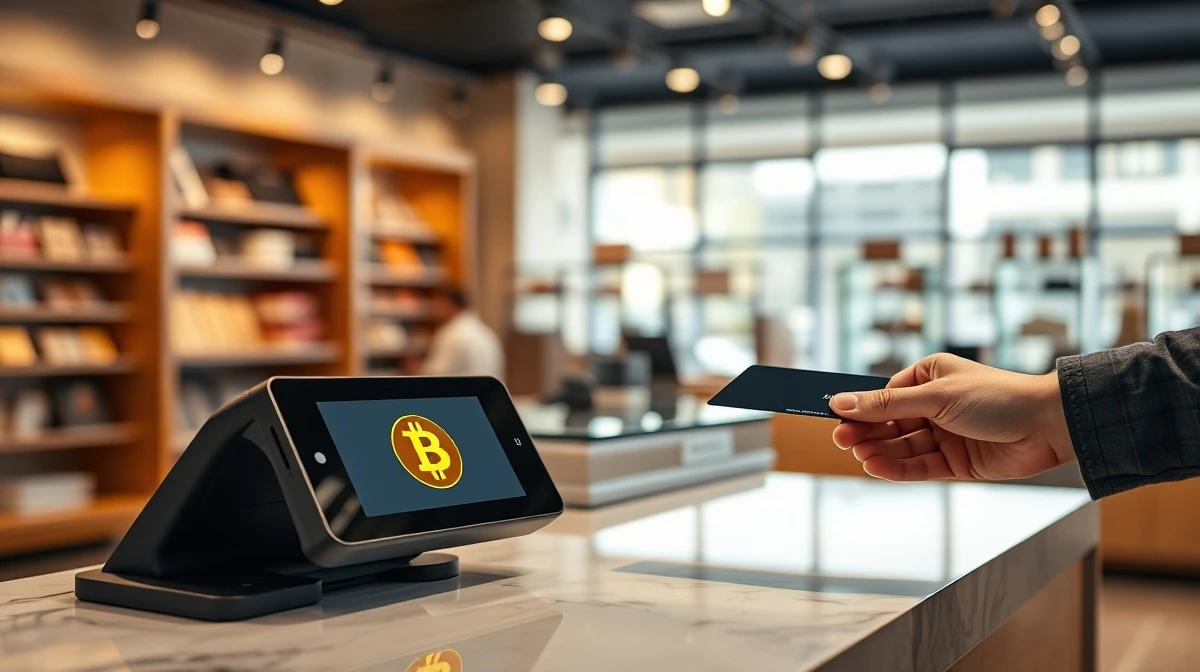
April 29, 2026 – David Sacks, the former chief operating officer of PayPal, has introduced a new payment network called the “Money Grid.” The system is designed to let merchants accept Bitcoin and other cryptocurrencies directly, bypassing traditional payment processors.
The announcement came via a company blog post and a series of social media updates. Sacks described the Money Grid as a solution for businesses that want to tap into crypto payments without the complexity of managing blockchain transactions themselves.
Also read: Ripple Partners With Water.org to Expand Clean Water Access Using RLUSD Stablecoin
How the Money Grid Works
The Money Grid operates as a layer on top of the Bitcoin blockchain. It converts customer crypto payments into stablecoins or fiat currency at the point of sale. Merchants receive settlement in their preferred currency, eliminating volatility risk.
Sacks stated that the network charges a flat fee of 0.5% per transaction. That rate is lower than the 1.5% to 3.5% typically charged by credit card companies and traditional payment gateways.
Also read: Galaxy Research Lowers CLARITY Act Approval Odds to 60% on Political Hurdles
Industry watchers note that the 0.5% fee could pressure existing payment processors to lower their rates. It may also accelerate merchant adoption of crypto payments, which has been slow due to price volatility and technical hurdles.
Targeting Global Merchant Adoption
The Money Grid is initially targeting e-commerce businesses and online retailers. Sacks highlighted that the network supports Bitcoin, Ethereum, and several stablecoins. Merchants can integrate it via an API or a simple plugin for platforms like Shopify and WooCommerce.
Data from blockchain analytics firm Chainalysis shows that merchant adoption of crypto payments grew 40% in 2025. But the total volume remains small compared to traditional card payments. The Money Grid aims to close that gap by offering a simpler user experience.
What this means for investors is that payment infrastructure for crypto is maturing. If the Money Grid gains traction, it could create a new revenue stream for Bitcoin and other digital assets, driving transaction volume higher.
Broader Implications for Crypto Payments
Sacks has a track record in payments. He was COO of PayPal during its early growth phase and later co-founded Yammer, which Microsoft acquired for $1.2 billion. His involvement signals that serious capital and expertise are now flowing into crypto payment solutions.
The Money Grid faces competition from existing players like BitPay and Coinbase Commerce. But Sacks argues that his network’s low fees and direct Bitcoin settlement give it an edge. He also emphasized that the system is non-custodial, meaning merchants retain control of their private keys.
This suggests that security and autonomy are key selling points. For merchants, the ability to accept Bitcoin without relying on a third-party custodian could reduce counterparty risk.
What’s Next for the Money Grid
The Money Grid is currently in beta testing with a small group of merchants. A full public launch is expected in the coming months. Sacks said the company plans to expand support to additional blockchains and add features like recurring billing and invoice generation.
Regulatory questions remain. The network operates in a gray area, as it processes crypto payments but does not hold customer funds. Sacks stated that the company has consulted with legal advisors to ensure compliance with U.S. and European regulations.
For now, the Money Grid represents another step toward integrating Bitcoin into everyday commerce. Whether it can achieve widespread adoption will depend on merchant uptake and the broader regulatory environment.