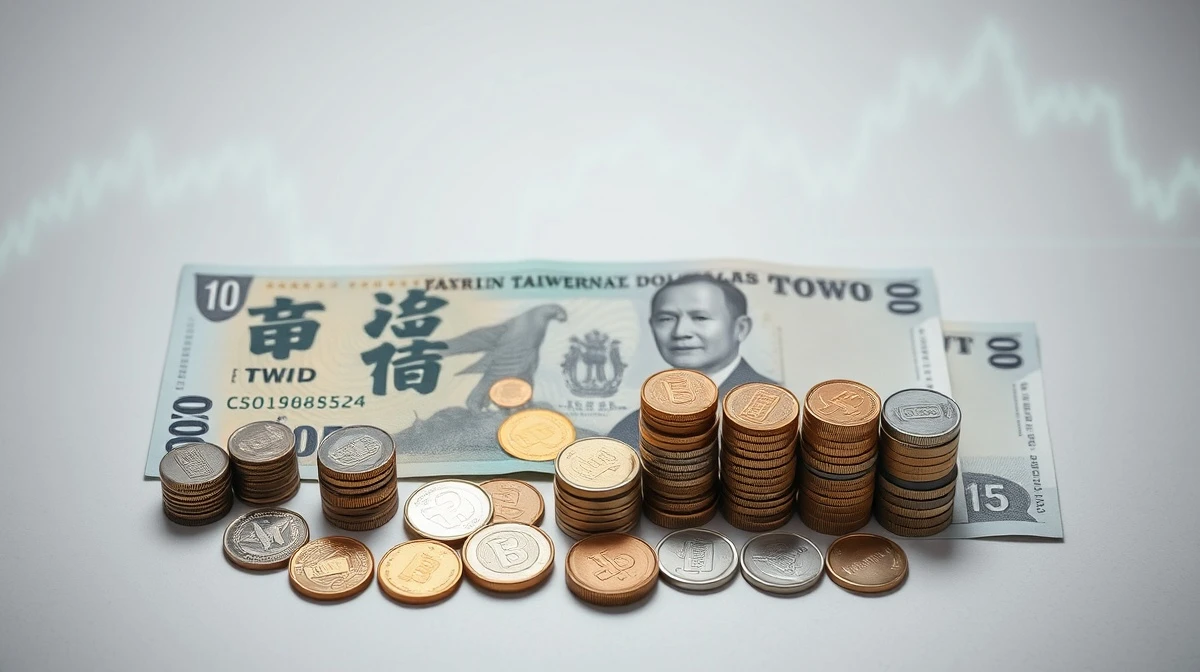
Bank of New York Mellon (BNY) has identified the Taiwan dollar (TWD) as undervalued, pointing to rotational flows from the island’s dominant technology sector as a key factor in its recent trading dynamics. The assessment, shared in a recent market note, adds a layer of analysis to the currency’s performance amid a shifting global economic space.
Rotational Flows and Currency Valuation
BNY’s analysis highlights that capital is rotating out of Taiwan’s tech-heavy equity markets and into other asset classes or regions. This movement, often referred to as rotational flow, can create selling pressure on the TWD in the short term. However, BNY argues that the currency’s current level does not fully reflect the country’s underlying economic strength, including its strong trade surplus and solid foreign exchange reserves.
Also read: Yen Weakens as Weak GDP Data and Rising JGB Yields Cloud BOJ Policy Outlook – BNY
The term “undervalued” in this context suggests that, based on BNY’s models, the TWD is trading below a level justified by fundamental factors such as purchasing power parity or relative inflation rates. This presents a potential opportunity for investors who believe the currency will eventually correct higher.
Context from Taiwan’s Economy
Taiwan’s economy is heavily reliant on its semiconductor and electronics manufacturing sectors, which have been a focal point of global supply chain adjustments. While these sectors have driven significant export revenues, they also make the TWD sensitive to shifts in global tech demand and investor sentiment. BNY’s note comes at a time when the tech sector is experiencing a rotation of capital, with some investors moving toward other industries or regions.
Also read: Yen Retreats Below 159.00 as Japan's GDP Miss Clouds BOJ Rate Path
The Taiwan dollar has traded in a relatively narrow range against the US dollar in recent months, but BNY’s analysis suggests that the current valuation may not be sustainable if rotational flows persist or intensify.
Implications for Forex Markets
For forex traders and investors, BNY’s view on the TWD offers a potential contrarian signal. If the currency is indeed undervalued, it could attract buying interest from those looking for value plays in the Asian forex market. However, the note also implies that the near-term direction will depend on the pace and scale of capital rotation from the tech sector.
Market participants will be watching for further data from Taiwan, including export figures and central bank policy signals, to gauge whether the TWD’s undervaluation is likely to correct in the coming weeks or months.
Frequently Asked Questions
What does it mean when a currency is ‘undervalued’?
An undervalued currency is one that trades below its perceived fair value based on economic fundamentals, such as purchasing power parity or trade balances.
How do rotational flows affect currency values?
Rotational flows refer to the movement of capital between sectors or regions. When investors shift funds, for example from tech stocks to other assets, it can impact demand for the associated currency.
Why is the Taiwan tech sector important for TWD?
Taiwan is a major hub for semiconductor and electronics manufacturing, so capital flows in and out of its tech sector can significantly influence demand for the Taiwan dollar.
What is BNY’s role in currency analysis?
BNY (Bank of New York Mellon) is a major financial institution that provides market analysis and commentary on currency trends, often based on its extensive custody and transaction data.