
NEW YORK, March 11, 2026 — Global crude oil markets defied expectations Wednesday as prices surged despite a coordinated international effort to release emergency petroleum reserves. April WTI crude oil futures closed up 3.80 dollars, representing a 4.55% gain, while gasoline futures jumped 5.61%. This unexpected rally occurred hours after International Energy Agency members agreed to release 400 million barrels from strategic stockpiles. The price movement highlights how geopolitical tensions in the Middle East continue to override traditional market fundamentals, creating volatility that threatens global energy security. Market analysts now watch whether this coordinated intervention can stabilize prices or if conflict dynamics will continue driving uncertainty.
Geopolitical Conflict Overrides Strategic Stockpile Release
The International Energy Agency’s emergency action followed Monday’s dramatic price spike to $119.48 per barrel, the highest level in nearly four years. This surge came after Israeli airstrikes targeted thirty Iranian oil depots over the weekend. Consequently, prices retreated briefly on Monday afternoon as diplomatic signals suggested potential de-escalation. However, renewed hostilities Wednesday reversed that trend completely. French President Emmanuel Macron confirmed the stockpile release details would be finalized in coming days, but markets reacted to immediate physical disruptions instead.
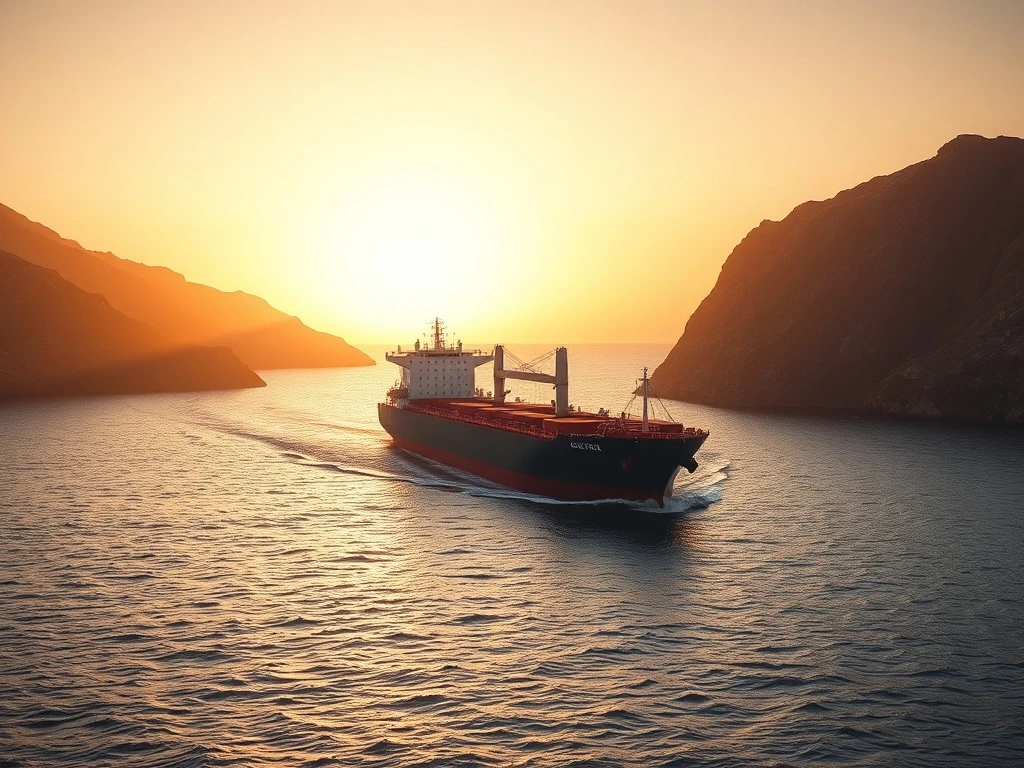
Specifically, missile attacks struck three commercial vessels in the Strait of Hormuz and Persian Gulf Wednesday morning. These incidents forced regional producers to cut output by approximately 6% as local storage facilities reached capacity. The Strait of Hormuz, which normally handles twenty percent of global oil shipments, remains effectively closed to routine traffic. Although U.S. officials discussed military escorts for commercial vessels, no concrete plan has materialized. This operational paralysis explains why traders discounted the IEA’s supply injection.
Immediate Market Impacts and Supply Chain Disruptions
The conflict’s physical disruptions create immediate consequences for global energy flows. Vortexa analytics data reveals approximately 290 million barrels of Russian and Iranian crude currently sit in floating storage on tankers. This represents a fifty percent increase from year-ago levels due to ongoing sanctions and blockades. Meanwhile, Persian Gulf producers cannot move oil to global markets despite theoretical production capacity. The resulting supply-demand mismatch pushes prices higher despite increased inventories elsewhere.
- Shipping Insurance Costs: Premiums for vessels transiting the region have tripled since Monday, adding $2-3 per barrel to delivered costs.
- Refinery Operations: European and Asian refineries report difficulty securing medium-sour crude grades typically sourced from the affected region.
- Consumer Impact: Gasoline prices at U.S. pumps have risen 18 cents per gallon this week, with further increases likely if disruptions persist.
Expert Analysis from Energy Security Institutions
Dr. Fatih Birol, Executive Director of the International Energy Agency, stated Wednesday that “coordinated stockpile releases provide important market signals but cannot compensate for physical supply interruptions.” The IEA last month revised its 2026 global crude surplus estimate downward to 3.7 million barrels per day. Meanwhile, the U.S. Energy Information Administration raised its domestic production forecast slightly to 13.60 million barrels daily. However, these projections assume normalized transportation routes. Sarah Emerson, managing principal at Energy Security Analysis Inc., notes that “floating storage creates artificial inventory buffers that mask actual availability.” Her firm’s research indicates usable global inventories have declined 8% since January despite headline numbers.
Broader Context: OPEC+ Production and Regional Conflicts
This week’s events unfold against a complex backdrop of planned production increases and unresolved regional conflicts. OPEC+ announced a 206,000 barrel-per-day output hike for April, exceeding analyst expectations. However, Middle Eastern members cannot implement these increases while their export routes remain compromised. The producer group still aims to restore 2.2 million barrels of daily production cut in early 2024, leaving nearly one million barrels remaining. OPEC’s January production actually fell 230,000 barrels daily to a five-month low.
| Factor | Bullish Impact | Bearish Impact |
|---|---|---|
| Strait of Hormuz Closure | Reduces 20% of global supply | Temporary if resolved quickly |
| IEA Stockpile Release | Psychological market signal | Adds 400M barrels physical supply |
| OPEC+ April Increase | Shows capacity willingness | Unimplementable currently |
| Ukrainian Drone Attacks | Reduces Russian exports | Limited to specific refineries |
Forward-Looking Analysis: Escalation Risks and Diplomatic Efforts
The immediate outlook depends heavily on whether diplomatic channels can reopen the Strait of Hormuz. U.S. Secretary of State discussions with regional counterparts continue, but no breakthrough has emerged. Meanwhile, Ukrainian drone attacks on Russian refineries have targeted twenty-eight facilities over seven months, further constraining global supplies. New European Union sanctions on Russian oil infrastructure take effect April 1, potentially removing additional barrels. These overlapping pressures suggest sustained volatility regardless of IEA actions.
Industry and Government Response Patterns
Major oil companies have activated contingency plans developed after previous Gulf disruptions. Shell and BP report diverting vessels around Africa’s Cape of Good Hope, adding ten to fourteen days to transit times. The American Petroleum Institute called for “immediate presidential action to secure critical waterways.” Conversely, environmental groups argue the crisis underscores renewable energy urgency. This divergence reflects deeper tensions about long-term energy strategy amid short-term emergency management.
Conclusion
Wednesday’s crude oil price rally despite massive strategic stockpile releases demonstrates geopolitical risk’s overwhelming market influence. The IEA’s 400 million barrel injection represents significant supply but cannot offset physical transportation blockades at the Strait of Hormuz. Market participants now watch for either military escorts to reopen shipping lanes or diplomatic breakthroughs to de-escalate regional conflicts. Until then, volatility will likely continue with prices sensitive to each development. The situation underscores global energy systems’ fragility and the limited tools available when physical flows face disruption.
Frequently Asked Questions
Q1: Why did oil prices rise despite the IEA releasing 400 million barrels?
Prices rose because the stockpile release cannot compensate for physical supply disruptions. The Strait of Hormuz handles 20% of global oil shipments, and its closure prevents regional producers from exporting despite available inventory.
Q2: How long can the Strait of Hormuz remain closed before causing severe shortages?
Analysts estimate 10-14 days before refiners in Asia and Europe face significant crude shortages. Most maintain 20-25 days of operational inventory, but some grades become scarce within a week.
Q3: What happens next with the IEA stockpile release?
Member countries will coordinate actual physical deliveries over the next 30-45 days. The United States will contribute approximately 180 million barrels from its Strategic Petroleum Reserve, with other members supplying the remainder.
Q4: How does this affect gasoline prices for consumers?
U.S. gasoline prices have already increased 18 cents per gallon this week. Further increases of 25-40 cents are possible if disruptions continue through March, according to AAA forecasts.
Q5: What broader implications does this have for energy security?
The situation highlights vulnerability in concentrated shipping channels. Governments may accelerate diversification efforts, including alternative routes, pipeline expansions, and strategic stockpile enhancements.
Q6: How are oil companies responding operationally?
Major firms are rerouting vessels around Africa, adding significant transit time and cost. Some are activating supply contracts with non-Middle Eastern producers where possible, though capacity constraints exist.



