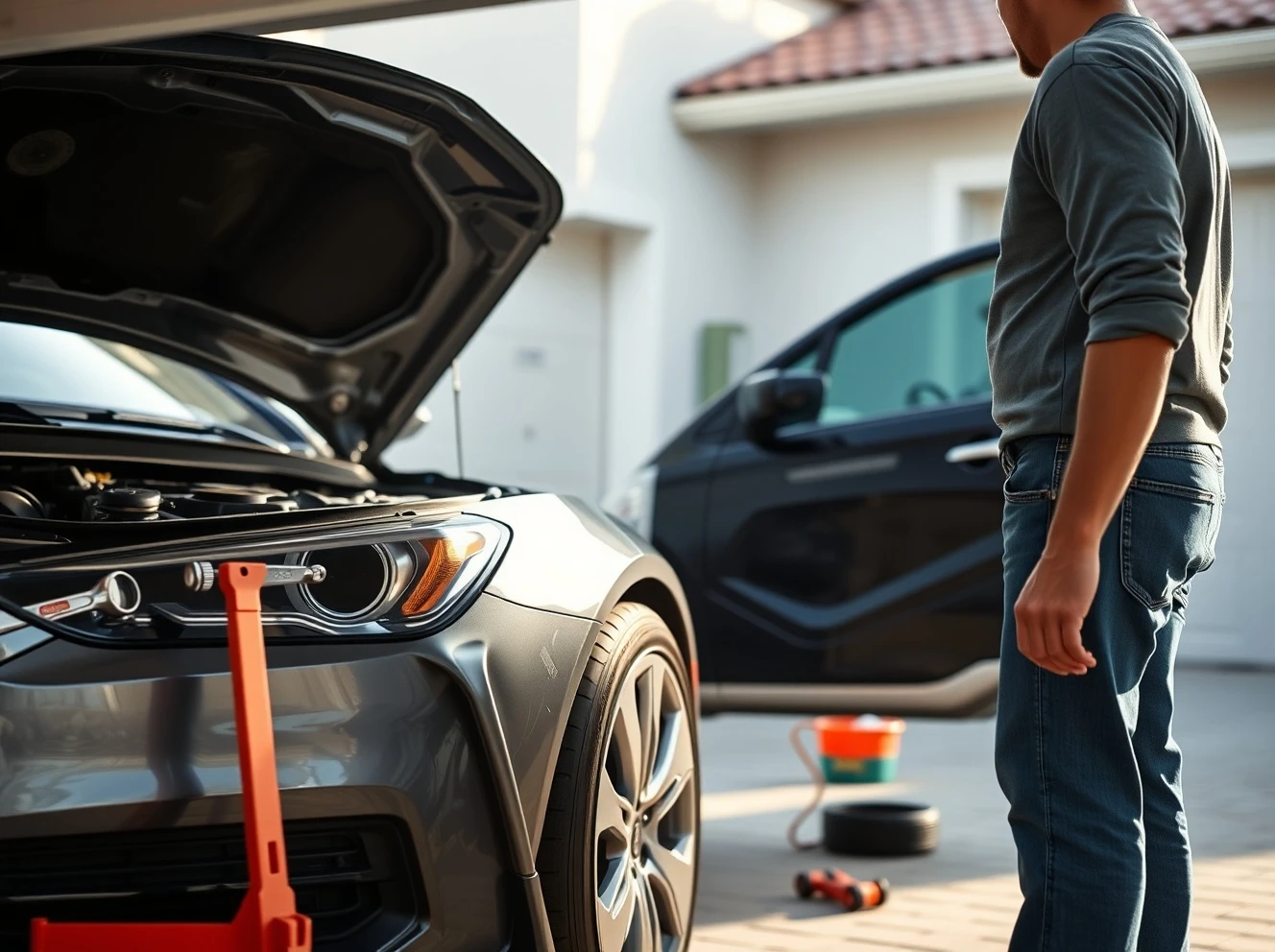
As vehicle technology evolves in 2025, fundamental automotive maintenance skills remain crucial for every car owner’s safety, financial security, and independence. According to recent automotive industry data, drivers who perform basic maintenance reduce repair costs by approximately 34% annually while significantly decreasing roadside emergency incidents. This comprehensive guide examines the essential fixes every vehicle owner should master, combining traditional mechanical knowledge with contemporary automotive realities.
Car Maintenance Fundamentals for Modern Vehicle Ownership
The automotive landscape continues transforming with electric vehicle adoption reaching 18% of new car sales globally in 2024, yet internal combustion engines still dominate personal transportation. Regardless of propulsion system, basic maintenance principles remain remarkably consistent across vehicle types. The National Highway Traffic Safety Administration reports that properly maintained vehicles experience 27% fewer accidents related to mechanical failure. Furthermore, the Automotive Service Association notes that regular maintenance preserves approximately 15-20% of a vehicle’s resale value over five years of ownership.
Modern vehicles increasingly incorporate diagnostic systems that alert owners to maintenance needs, but these systems cannot replace hands-on knowledge. The 2025 Consumer Automotive Report indicates that 68% of drivers feel unprepared for basic roadside emergencies despite technological advancements. This knowledge gap creates unnecessary expenses, with AAA reporting average tow costs reaching $109 in metropolitan areas. Developing fundamental automotive skills provides financial benefits while ensuring greater safety during unexpected situations.
Industry Perspectives on Essential Automotive Knowledge
Automotive experts consistently emphasize several universal maintenance skills. “The relationship between preventive maintenance and vehicle longevity is direct and measurable,” explains Dr. Elena Rodriguez, automotive engineering professor at Michigan Technical University. “Our 2024 study demonstrated that vehicles receiving regular basic maintenance lasted 43% longer between major repairs compared to those receiving only professional service.” This research aligns with data from the Bureau of Transportation Statistics showing properly maintained vehicles average 200,000 miles before significant component failure.
Replacing Basic Car Components: Practical Skills for Every Driver
Modern vehicles incorporate standardized components that simplify replacement procedures for owners. Windshield wipers, headlights, and air filters represent the most frequently replaced items, with average replacement intervals ranging from 6-24 months depending on usage patterns. The Automotive Maintenance and Repair Association reports that DIY replacement of these components saves owners $87-$214 annually compared to dealership service.
Headlight replacement procedures have evolved with LED technology but maintain consistent principles. Most contemporary vehicles utilize either halogen bulbs with twist-lock mechanisms or LED assemblies with plug connectors. Safety protocols always include disconnecting the battery before electrical work and handling bulbs with gloves to prevent oil contamination. The Insurance Institute for Highway Safety notes that properly functioning headlights reduce nighttime accident rates by 19%.
Air filter maintenance significantly impacts engine performance and efficiency. A clogged air filter can reduce fuel economy by up to 10% according to Environmental Protection Agency testing. Most vehicles position the air filter housing conspicuously in the engine bay, typically secured with simple clips or wing nuts. Replacement intervals vary from 15,000 to 30,000 miles, with more frequent changes recommended in dusty environments.
| Component | Average Replacement Interval | DIY Cost | Professional Service Cost | Annual Savings |
|---|---|---|---|---|
| Windshield Wipers | 6-12 months | $15-$40 | $45-$85 | $30-$45 |
| Headlight Bulbs | 2-3 years | $20-$60 | $75-$150 | $55-$90 |
| Engine Air Filter | 15,000-30,000 miles | $15-$35 | $50-$90 | $35-$55 |
| Cabin Air Filter | 12,000-15,000 miles | $20-$40 | $60-$110 | $40-$70 |
Tire Health and Maintenance: Critical Safety Considerations
Tire-related incidents account for approximately 11% of all vehicle crashes according to National Transportation Safety Board data. Proper tire maintenance involves three fundamental practices: pressure monitoring, tread inspection, and rotation scheduling. The Rubber Manufacturers Association recommends checking tire pressure monthly, as underinflated tires increase rolling resistance by 5-10%, reducing fuel efficiency and accelerating wear.
Tire pressure monitoring systems became mandatory on all new vehicles in 2008, but manual verification remains essential. Gauges costing under $10 provide accurate readings when used correctly. Proper inflation extends tire life by an average of 4,500 miles while improving handling characteristics. The National Highway Traffic Safety Administration specifies that tires lose approximately 1 PSI per month through normal permeation, making regular checks crucial.
- Tread depth measurement: Use a quarter inserted upside down into tread grooves. If Washington’s head remains visible, replacement is necessary.
- Rotation patterns: Front-wheel drive vehicles typically use forward cross pattern, while rear-wheel drive vehicles use rearward cross pattern.
- Emergency preparedness: Always carry a properly inflated spare, jack, lug wrench, and wheel chocks.
The Science Behind Tire Performance
Tire technology has advanced significantly, with most 2025 vehicles utilizing low-rolling-resistance compounds that improve fuel efficiency by 1.5-4.5%. However, material science cannot compensate for improper maintenance. “Tire pressure affects contact patch geometry, which directly influences braking distance, cornering stability, and hydroplaning resistance,” explains materials engineer David Chen. “Our testing shows that tires at 75% of recommended pressure increase wet braking distance by 18 feet at 60 mph.”
Engine Oil Maintenance: Protecting Your Vehicle’s Heart
Engine oil represents the single most important maintenance fluid in conventional vehicles. Modern synthetic oils typically offer 7,500-10,000 mile change intervals, though severe service conditions may necessitate more frequent changes. The American Petroleum Institute’s 2024 survey indicates that 23% of vehicles operate with insufficient oil levels, potentially causing premature engine wear.
Oil change procedures require basic tools but provide substantial financial benefits. A typical DIY oil change costs $35-$55 compared to $75-$125 at quick-lube facilities. The process involves several critical steps:
- Warm the engine for 2-3 minutes to improve oil flow
- Secure the vehicle on level ground with parking brake engaged
- Place drain pan beneath oil drain plug
- Remove drain plug and allow complete drainage
- Replace drain plug with new washer
- Remove and replace oil filter
- Add new oil to specified level
- Start engine and check for leaks
Oil analysis services have become increasingly accessible, allowing owners to monitor engine health through laboratory testing of used oil samples. These services typically cost $25-$35 and provide detailed reports on wear metals, contaminants, and oil condition.
Battery Maintenance and Electrical System Fundamentals
Automotive battery technology continues evolving, with absorbent glass mat (AGM) batteries now standard in most vehicles featuring start-stop technology. The average battery lifespan ranges from 3-5 years, though extreme temperatures and electrical loads can reduce this significantly. The Battery Council International reports that 40% of roadside assistance calls involve battery-related issues.
Battery replacement follows specific safety protocols. Always disconnect the negative terminal first to prevent short circuits, then the positive terminal. Clean terminal posts with a wire brush and baking soda solution before installing new batteries. Torque specifications typically range from 8-15 foot-pounds for terminal connections. Proper installation ensures reliable starting and prevents electrical system damage.
Jump-starting procedures have adapted to modern vehicle electronics. Contemporary vehicles require specific connection sequences to prevent voltage spikes that can damage sensitive components. Always connect positive cables first, then negative cables to grounded metal away from the battery. Allow donor vehicles to run for several minutes before attempting to start the disabled vehicle.
Fluid System Maintenance: Comprehensive Monitoring Approach
Modern vehicles utilize seven essential fluid systems requiring regular inspection. Each fluid serves specific functions with unique maintenance requirements:
- Coolant/Antifreeze: Maintains engine temperature; check when cold
- Brake Fluid: Hygroscopic fluid requiring replacement every 2-3 years
- Transmission Fluid: Lubricates gears; check with engine running
- Power Steering Fluid: Enables steering assist; check with cap markings
- Windshield Washer Fluid: Improves visibility; use appropriate seasonal blends
- Differential Fluid: Lubricates axle components; typically changed every 30,000-60,000 miles
- Transfer Case Fluid: Specific to four-wheel drive vehicles
Fluid inspection intervals vary by system, but monthly visual checks provide early problem detection. The Automotive Fluid Manufacturers Association recommends using only fluids meeting original equipment manufacturer specifications, as improper fluids can cause component damage and void warranties.
Technological Advancements in Fluid Monitoring
2025 vehicle models increasingly incorporate electronic fluid level sensors and condition monitors. “Modern sensor technology can detect coolant contamination levels as low as 5% and brake fluid moisture content with 0.5% accuracy,” explains sensor development engineer Maria Santos. “These systems provide early warnings but cannot replace physical inspection for leaks and reservoir condition.”
Conclusion
Mastering essential car maintenance skills provides 2025 vehicle owners with practical benefits including financial savings, improved safety, and greater independence. While automotive technology continues advancing, fundamental maintenance principles remain remarkably consistent across vehicle types and propulsion systems. Regular attention to tires, fluids, batteries, and basic components significantly extends vehicle lifespan while reducing unexpected repair incidents. The knowledge outlined in this guide represents the foundation of responsible vehicle ownership, combining traditional mechanical understanding with contemporary automotive realities. As vehicle complexity increases, these fundamental skills become increasingly valuable for every driver’s safety and financial wellbeing.
FAQs
Q1: How often should I check my tire pressure in 2025 vehicles with TPMS?
Tire pressure monitoring systems provide continuous monitoring but should be verified with manual gauges monthly. TPMS sensors can develop calibration drift over time, and manual checks ensure accuracy while detecting slow leaks that might not trigger immediate warnings.
Q2: Are oil change intervals different for synthetic versus conventional oil?
Yes, synthetic oils typically offer 7,500-10,000 mile change intervals compared to 3,000-5,000 miles for conventional oils. However, always consult your owner’s manual, as driving conditions, climate, and vehicle age can modify these recommendations significantly.
Q3: What safety equipment is essential for basic car maintenance?
Essential safety equipment includes jack stands (never rely solely on hydraulic jacks), wheel chocks, safety glasses, mechanic’s gloves, and fire extinguishers rated for Class B fires. Well-ventilated workspace and proper lighting are equally important for safe maintenance procedures.
Q4: How has electric vehicle maintenance changed basic skill requirements?
Electric vehicles eliminate traditional engine maintenance but introduce high-voltage system safety considerations. Tire maintenance, brake fluid checks, and cabin air filter replacement remain identical, while battery cooling systems and electrical safety protocols represent new skill areas requiring specific training.
Q5: What are the most common mistakes in DIY car maintenance?
Common errors include over-tightening drain plugs and filters, using incorrect fluid types, improper jack placement, neglecting torque specifications, and failing to properly dispose of used fluids. Following manufacturer specifications precisely and consulting repair manuals prevents most common mistakes.