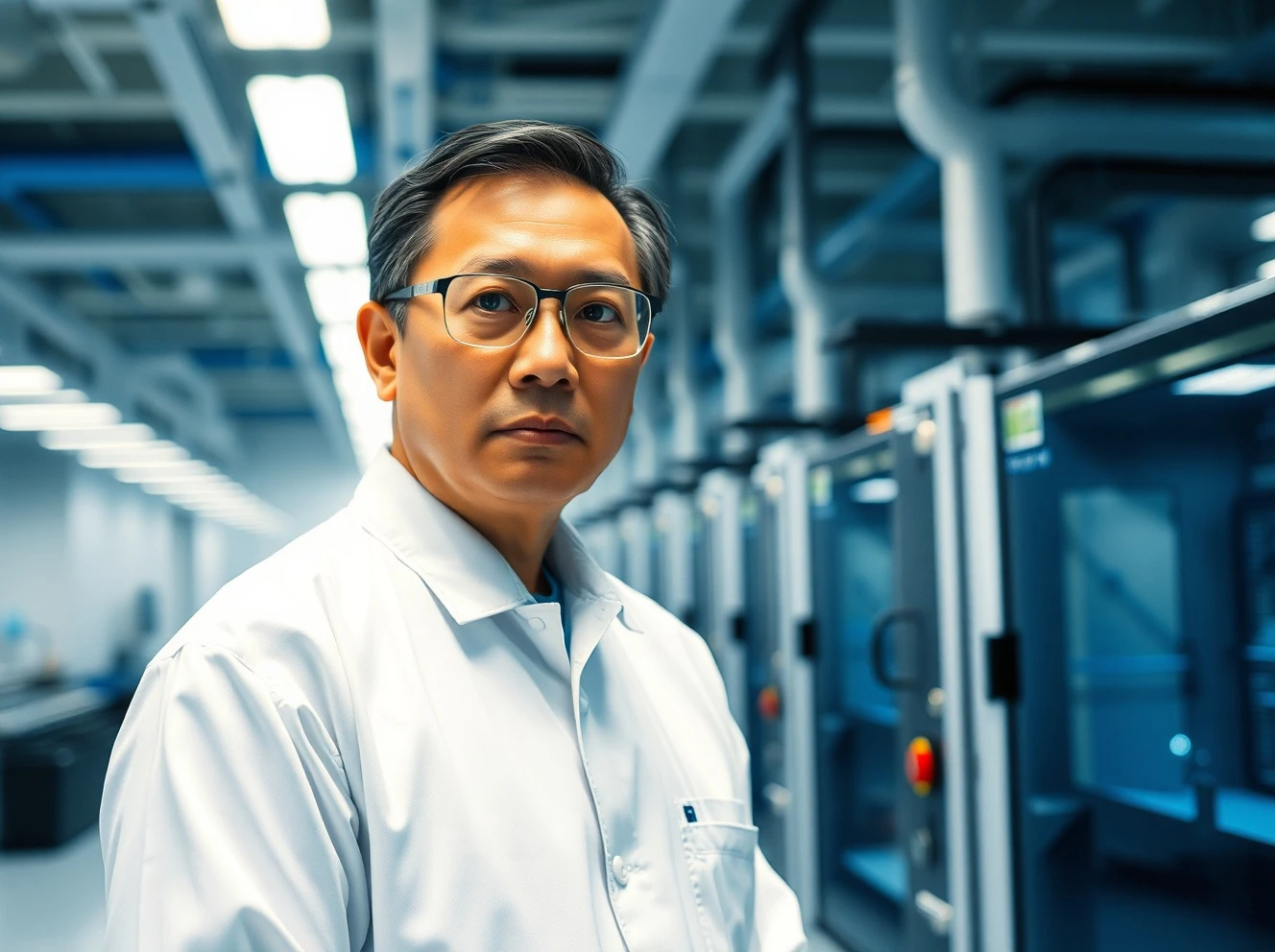
Intel’s stock has risen a staggering 490% over the past year, a Wall Street bet that may be running well ahead of the company’s actual turnaround. A deep dive from Bloomberg this week details how CEO Lip-Bu Tan is trying to rescue one of Silicon Valley’s most storied, and stumbling, chipmakers. But the most jaw-dropping part of the story is the sheer scale of investor optimism, which may be pricing in a recovery that is far from assured.
The Tan Strategy: Schmoozing Before Restructuring
Tan, who took over in March of last year, has spent much of his first year building relationships rather than executing a hard restructuring. He locked in a sweetheart deal with the U.S. government, which is now Intel’s third-largest shareholder. He has also reportedly secured preliminary manufacturing agreements with both Apple and Tesla, and has been cozying up to Elon Musk on a factory partnership. These moves signal a strategic pivot toward becoming a foundry for other chip designers, a business model that has historically been difficult for Intel to execute.
Also read: Fujifilm Instax Wide 400 review: Bigger prints, simple fun, and a few trade-offs
Fundamentals Still Messy
Despite the stock surge, Intel’s core business fundamentals remain shaky. Chip yields lag well behind industry leader TSMC, and employees tell Bloomberg that Tan has been light on specifics internally. Some teams have reportedly adjusted missed deadlines rather than recovering from them, raising questions about the depth of the operational turnaround. The company is still grappling with legacy manufacturing issues and a product roadmap that has yet to fully convince the market.
Why This Matters
Intel’s turnaround is a multi-billion-dollar question that has implications for the entire semiconductor industry, U.S. manufacturing policy, and the global tech supply chain. If Tan can execute, Intel could reclaim its position as a leading chipmaker and reduce reliance on Asian foundries. If not, the stock’s massive rally could unwind quickly, leaving investors holding a bag of promises rather than profits. The story is a test of whether government intervention and CEO charisma can overcome deep-seated operational challenges.
Also read: Tata Electronics, supplier to Apple and Tesla, confirms data breach exposing 630GB of files
Conclusion
Intel’s comeback narrative is compelling, but the gap between Wall Street’s enthusiasm and the company’s execution remains wide. Tan’s early moves have been smart, but the real work—fixing yields, hitting deadlines, and winning long-term foundry customers—has barely begun. Investors are betting big on the bigger picture. Whether the execution follows is the question that will define Intel’s future.
FAQs
Q1: Why has Intel’s stock risen so much if the company is still struggling?
Investors are betting on CEO Lip-Bu Tan’s turnaround strategy, including government deals and partnerships with Apple and Tesla. The stock price reflects future expectations rather than current fundamentals.
Q2: What are the main challenges Intel still faces?
Intel’s chip yields lag behind TSMC, internal deadlines are being missed, and Tan has not provided detailed operational plans to employees. The company also faces intense competition in the foundry market.
Q3: How does the U.S. government’s investment affect Intel?
The government has become Intel’s third-largest shareholder through a sweetheart deal, providing financial support and signaling strategic importance for domestic chip manufacturing. This reduces some financial risk but does not solve operational issues.