
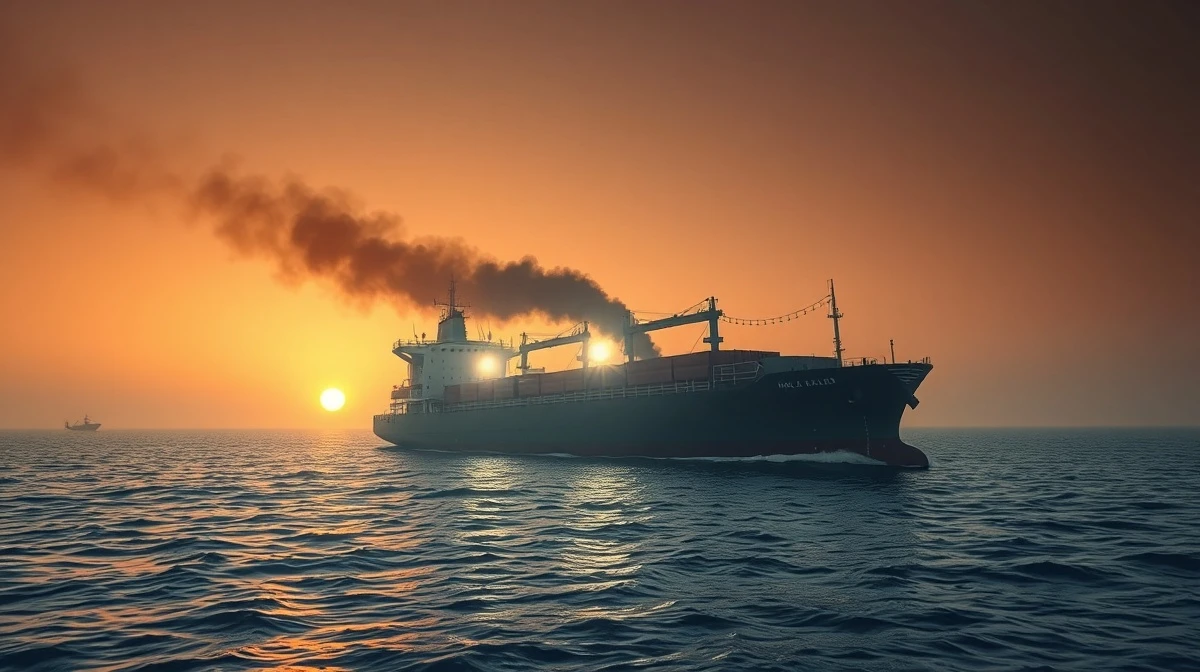
The Islamic Republic of Iran has adopted an unusual public relations strategy in the ongoing Red Sea crisis, characterizing recent attacks on commercial shipping as a form of ‘customer service’ for its Houthi allies in Yemen. The phrase, attributed to an Iranian official in remarks carried by state-linked media, frames the maritime strikes as a reciprocal obligation — a service rendered to a client — rather than a direct act of state aggression. The United States, however, has responded not with diplomatic notes but with precision-guided ordnance, launching a fresh wave of airstrikes against Houthi military infrastructure in Yemen on Tuesday.
The ‘Customer Service’ Framing
The Iranian official’s choice of language — describing attacks on Red Sea shipping as ‘customer service’ — appears designed to achieve several objectives simultaneously. Domestically, it projects an image of Iran as a regional power broker capable of projecting force through proxies. Internationally, it attempts to frame the Houthi campaign as a limited, transactional response to Israeli military operations in Gaza, rather than a broader threat to global maritime commerce. The messaging also allows Tehran to maintain a degree of plausible deniability, as the attacks are carried out by Houthi forces using Iranian-supplied drones and missiles, not by the Islamic Revolutionary Guard Corps directly.
Also read: TikTok and ByteDance to Pay $400 Million to Settle Children's Privacy Lawsuit
Washington’s Military Response
The US military response has been unambiguous. According to U.S. Central Command, airstrikes conducted over the past 48 hours targeted Houthi radar installations, anti-ship missile launchers, and drone storage facilities in areas of Yemen under Houthi control. The strikes are part of an ongoing campaign to degrade the group’s ability to threaten commercial shipping in the Bab el-Mandeb strait, a critical chokepoint through which roughly 12% of global seaborne trade passes. The Pentagon has stated that the strikes are defensive in nature and intended to protect freedom of navigation, but the operation also carries a clear deterrent message directed at Tehran.
Escalation Risks and Regional Dynamics
The current confrontation represents the most direct military engagement between the United States and Iran-backed forces since the 2020 killing of Qasem Soleimani. While both sides have so far avoided a direct exchange of fire, the risk of miscalculation is high. Iran’s ‘customer service’ framing may be an attempt to calibrate its involvement — signaling support for the Houthis without crossing the threshold that would trigger a full-scale US-Iranian conflict. Meanwhile, the Biden administration is under domestic political pressure to respond forcefully to attacks that have disrupted global supply chains and raised insurance costs for shippers transiting the Red Sea.
Also read: Robinson Helicopter lands Army training deal, boosting US manufacturing and defense jobs
The situation remains fluid. Shipping companies including Maersk and Hapag-Lloyd have continued to reroute vessels around the Cape of Good Hope, adding weeks to delivery times and increasing costs. The Houthis have vowed to expand their target list, while the US has indicated it will continue strikes as long as the threat persists. For now, the ‘customer service’ window is open — but the ordnance is flying faster than the rhetoric.
Frequently Asked Questions
What does Iran mean by calling ship attacks ‘customer service’?
Iran uses the phrase to frame its support for Houthi attacks on Red Sea shipping as a reciprocal service for the Houthis’ campaign against Israel, implying a transactional relationship rather than outright state aggression.
How has the US responded to the Red Sea ship attacks?
The US has conducted precision airstrikes against Houthi military targets in Yemen, including radar sites, missile launchers, and drone bases, aiming to degrade the group’s ability to threaten commercial shipping.
What is the strategic goal of Iran’s messaging?
Iran’s rhetoric aims to project strength and solidarity with its proxies while maintaining plausible deniability, potentially testing the limits of US and international response without triggering a direct military confrontation.
Are these attacks affecting global trade?
Yes, the attacks have forced major shipping lines to reroute vessels away from the Red Sea and Suez Canal, adding weeks to transit times and increasing costs for goods moving between Asia and Europe.

