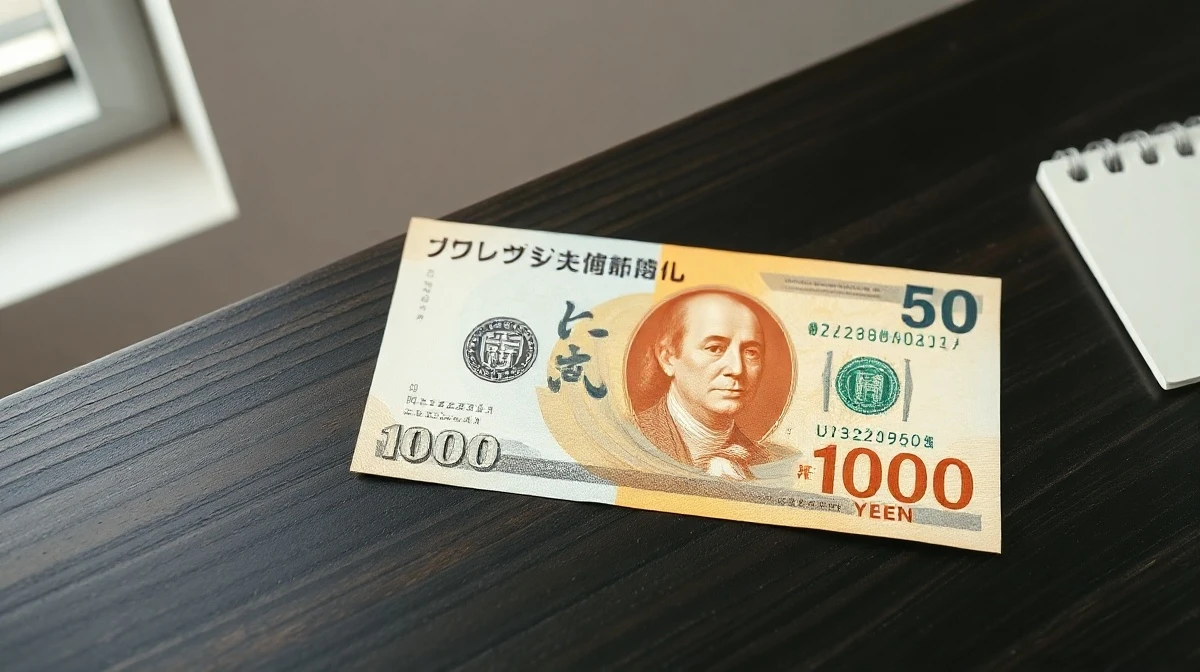
The Japanese yen rallied sharply against the U.S. dollar on Thursday, climbing more than 1.5% to trade near 152 per dollar, even as Tokyo refrained from any official market intervention. The move caught many traders off guard, as the yen had been hovering near multi-decade lows earlier in the week.
The sudden strengthening came without any visible support from the Bank of Japan or the Ministry of Finance, which have historically stepped in to prop up the currency during periods of excessive volatility. Instead, the rally appeared driven by a broad shift in market expectations around global interest rates.
Also read: Silver slides toward two-month low as hawkish Fed bets strengthen dollar
What Fueled the Yen’s Sudden Rally
Analysts pointed to a sharp decline in U.S. Treasury yields as the primary catalyst. The yield on the 10-year U.S. Treasury note fell by 10 basis points overnight, narrowing the interest rate differential between the U.S. and Japan. A narrower differential reduces the incentive for carry trades, where investors borrow yen at low rates to invest in higher-yielding dollar assets.
“The move was entirely a dollar-driven story,” said Masahiro Yamada, a senior currency strategist at SMBC Nikko Securities in Tokyo. “There was no official intervention, no verbal warnings. The market simply repriced the likelihood of further Federal Reserve rate cuts.”
Also read: Gold slips below $4,250 as renewed US-Iran tensions and dollar strength weigh; US CPI data on deck
Data released earlier this week showed a softening in the U.S. labor market, fueling speculation that the Fed may cut rates sooner than previously anticipated. Markets are now pricing in a 70% chance of a quarter-point cut at the Fed’s next meeting in September, according to the CME FedWatch Tool.
No Signs of Tokyo Intervention
Despite the yen’s sharp move, Japanese authorities remained conspicuously silent. The Ministry of Finance did not issue any statements, and Bank of Japan officials declined to comment on the day’s trading. This marks a departure from previous episodes of yen weakness, where officials often issued verbal warnings or conducted rate checks before stepping into the market.
In April and May of this year, Tokyo intervened on multiple occasions, spending roughly $60 billion to support the yen as it weakened past 160 per dollar. Those interventions provided only temporary relief, with the yen eventually sliding back to weaker levels.
The absence of intervention this time suggests that authorities may be comfortable with the current pace of yen appreciation, or that they believe market forces are now working in their favor. Some analysts argue that the move is healthier for the economy when driven by fundamentals rather than official buying.
Implications for Traders and the Economy
For Japanese importers, a stronger yen is a welcome relief. Companies that purchase raw materials and energy abroad have been squeezed by the yen’s prolonged weakness, which inflated costs and compressed profit margins. A sustained rally could ease those pressures and help stabilize consumer prices.
However, a rapid appreciation also poses risks. Japanese exporters, particularly automakers and electronics manufacturers, benefit from a weaker yen that makes their goods cheaper overseas. A sudden shift could hurt their competitiveness and weigh on corporate earnings.
For forex traders, the move underscores the sensitivity of the yen to shifts in U.S. interest rate expectations. The currency remains highly correlated with the trajectory of Fed policy, and any further signs of a slowing U.S. economy could fuel additional gains.
The yen’s rally also has implications for other major currencies. The euro and British pound both gained ground against the dollar on Thursday, reflecting a broader move away from the greenback. The dollar index, which measures the currency against a basket of peers, fell 0.8% to its lowest level in three weeks.
As trading continues into the Asian session on Friday, market participants will be watching closely for any signs of intervention or verbal guidance from Tokyo. For now, the yen is enjoying a rescue that the authorities did not pay for — but that could change quickly if the move becomes disorderly.