
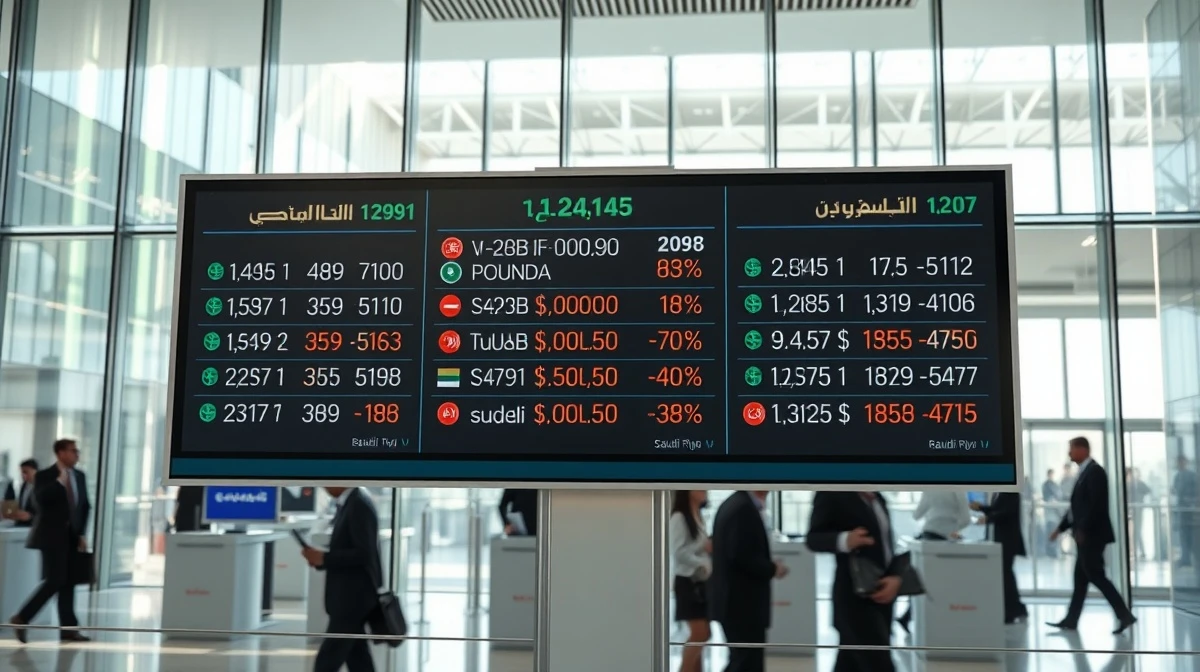
The Bank of New York Mellon (BNY) has flagged that ongoing carry trade unwinds are exerting significant pressure on currencies across the Middle East and North Africa (MENA) region, with the Egyptian pound and Turkish lira among the most affected, according to a note published Wednesday.
Carry trades, where investors borrow in low-yielding currencies to invest in higher-yielding emerging market assets, have been a key driver of capital flows into MENA markets in recent months. However, shifting global risk appetite and changing interest rate expectations are now prompting a reversal of these positions.
Also read: BoE's Greene: Risk of failing to act on inflation outweighs risk of raising rates
Why Carry Trades Are Unwinding
The unwinding is being triggered by a combination of factors, including a stronger US dollar and rising bond yields in developed markets, which reduce the attractiveness of emerging market carry trades. BNY strategists noted that the Turkish lira, which has been a popular carry trade target due to its high interest rates, is particularly vulnerable to sudden outflows.
“The lira’s high yield has historically attracted speculative inflows, but these flows can reverse quickly when global conditions shift,” the BNY note said. The Egyptian pound is also under pressure, as the country relies on foreign portfolio investment to help finance its current account deficit.
Also read: Gold price recovers as US-Iran draft deal talk pressures oil and dollar
Regional Currency Performance
The pressure is not uniform across the region. The Saudi riyal and UAE dirham, which are pegged to the US dollar, remain stable. However, freely floating or managed-float currencies are bearing the brunt of the sell-off.
- Turkish lira: Fell to a new low of 30.5 against the dollar this week, reflecting both carry trade unwinds and domestic inflation concerns.
- Egyptian pound: Weakened past 50 per dollar in parallel market trading, widening the gap with the official rate.
- Moroccan dirham: Saw moderate depreciation as foreign investors reduced exposure.
Broader Implications for MENA Economies
The unwinding poses risks for central banks in the region. Higher import costs from weaker currencies could fuel inflation, forcing policymakers to raise interest rates further, which in turn could slow economic growth. For Egypt, which is already handling a severe foreign currency shortage, the pressure adds to the urgency of securing an expanded International Monetary Fund (IMF) program.
“The carry trade dynamic is a double-edged sword for MENA markets,” said a senior emerging markets strategist at a London-based hedge fund, speaking on condition of anonymity. “It brings in capital during good times, but when sentiment turns, the exit can be just as fast.”
BNY’s analysis suggests that until global interest rate expectations stabilize, MENA currencies will remain vulnerable to further bouts of selling. The firm advises investors to focus on currencies with strong reserve buffers or explicit dollar pegs to weather the volatility.

