
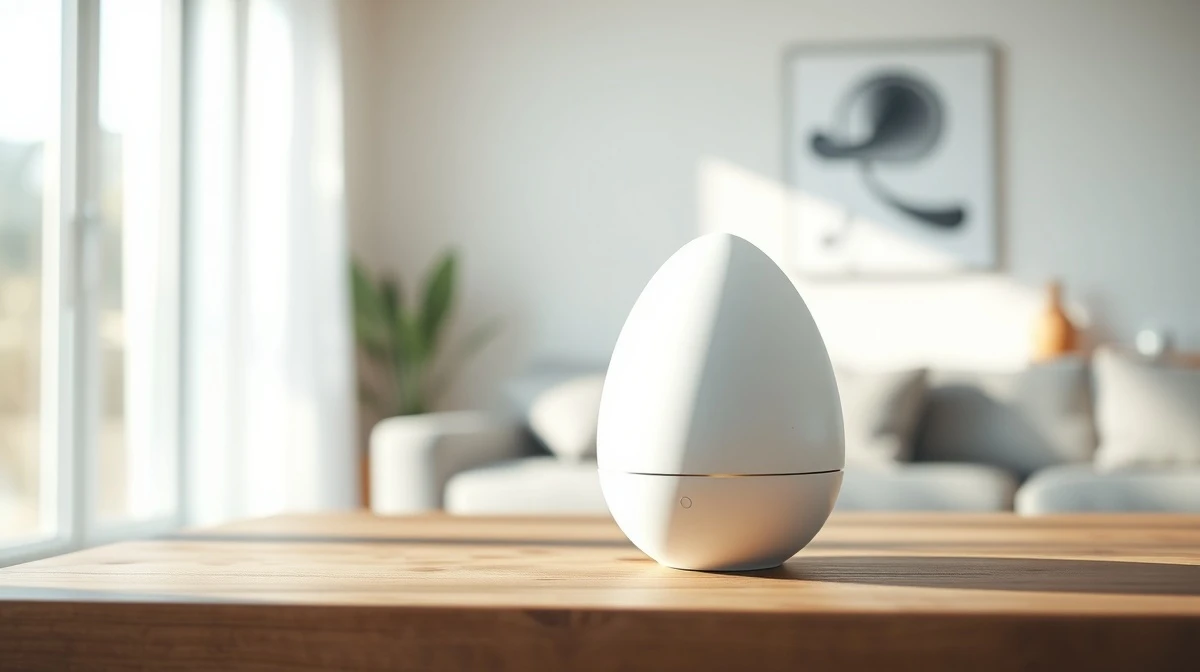
OpenAI is developing its first hardware product: a mobile smart speaker with no screen that can move on its own, according to a report from Bloomberg on Tuesday. The device is being designed as a physical AI companion that syncs with ChatGPT and learns from a user’s digital life over time, including emails and other personal data.
Sources familiar with the project told Bloomberg that the device is being pitched internally as a “humanlike AI companion that lives in the home” and includes mechanical elements that allow it to move independently. The report describes the device as a physical manifestation of OpenAI’s ChatGPT, designed to feel like a companion rather than a traditional smart speaker.
Also read: AI's Real Bottleneck Is Power Infrastructure, Not Chips, Says Bruce Kahn
Hardware ambitions and Apple ties
OpenAI has long signaled interest in hardware, with past rumors suggesting the company might develop its own phone — a move that would directly compete with Apple. The newly surfaced device appears to be a different category entirely, with sources saying it “veers significantly from anything Apple has on the market today.”
The project has drawn on talent from former Apple engineers who were instrumental in creating the iPhone and Mac, Bloomberg reports. This connection has drawn scrutiny given the timing of Apple’s recent legal action against OpenAI.
Also read: Pangram CEO Max Spero: AI Detection Is About More Than Just ‘Real or Fake’
Legal backdrop: Apple’s trade secrets lawsuit
Last week, Apple sued OpenAI, accusing the AI company of stealing trade secrets. Apple’s legal filing described the allegations as “the tip of the iceberg” and suggested more misconduct could emerge during discovery. OpenAI has denied wrongdoing.
Sources told Bloomberg that OpenAI believes its new product is unlikely to violate any trade secrets belonging to Apple, given the differences in form factor and functionality.
Broader AI hardware race heats up
OpenAI’s push comes as the tech industry pours capital into consumer AI hardware. Hark, an AI lab founded by Brett Adcock, raised over $700 million in a Series A round in May at a $6 billion valuation. Hark is building what it calls “personal intelligence” — proprietary AI models paired with custom hardware designed as a universal interface between humans and machines. The company has not yet revealed its device’s form factor.
The investment activity underscores how much capital is chasing the AI hardware category even before products ship to consumers.
Frequently Asked Questions
What is OpenAI’s new hardware device?
It is a screenless smart speaker with AI capabilities that can move and act as a physical companion, syncing with ChatGPT.
Who is developing the device?
The device is being developed by OpenAI with help from former Apple engineers who worked on the iPhone and Mac.
How is this related to Apple’s lawsuit against OpenAI?
Apple recently sued OpenAI for alleged trade secret theft. OpenAI claims its new device is different from anything Apple sells and unlikely to violate trade secrets.
When will the device be released?
The device is still under development and no release date has been announced.

