Oura, the Finnish smart ring maker, took a major step toward becoming a publicly traded company on Thursday, publicly filing its Form S-1 with the U.S. Securities and Exchange Commission. The filing reveals that the company’s revenue surged to $1.2 billion for the nine-month period ending June 30, 2026, a substantial jump from the $697 million it reported during the same stretch a year earlier.
The numbers underscore a period of explosive growth for the company, which was founded in Oulu, Finland, in 2013. Oura previously disclosed that it generated roughly $500 million in revenue in 2024 and approximately $1 billion in 2025. The company has indicated it expects to close out 2026 with nearly $2 billion in revenue.
Also read: Realta Fusion's Wisconsin utility deal signals a new phase in the fusion energy race
A hardware hit with a sticky subscription base
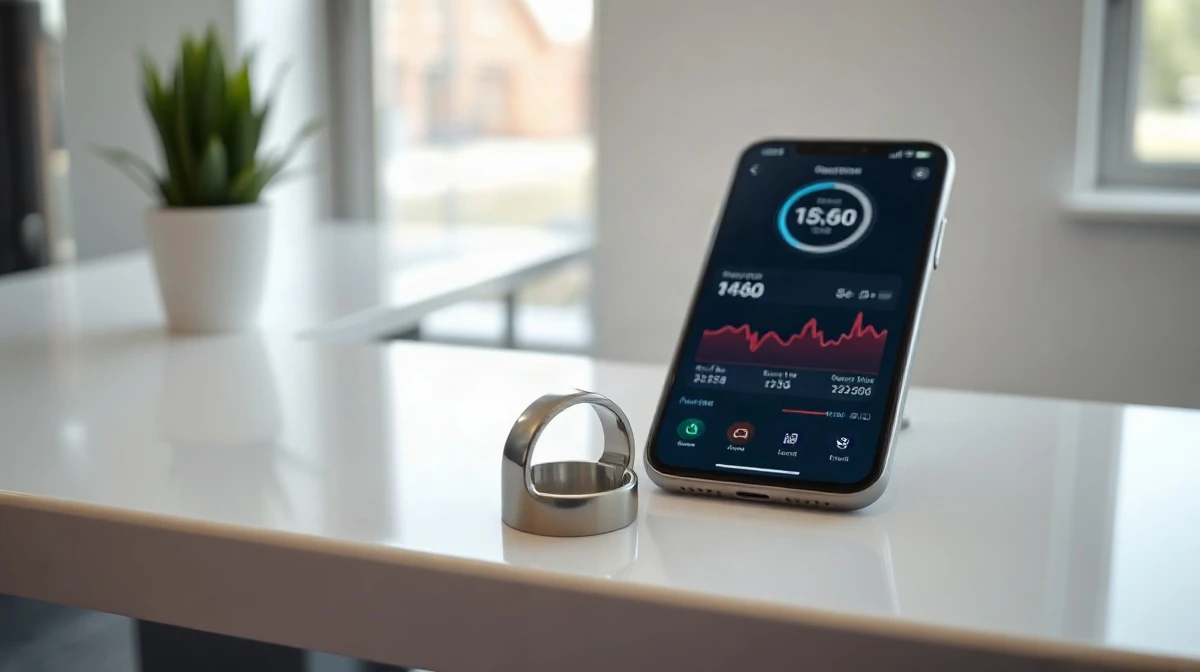
At the heart of Oura’s growth story is its flagship product: a $350 to $400 titanium ring that tracks biometrics including heart rate, skin temperature, sleep patterns, and stress levels. The hardware is paired with a subscription-based app that the company markets as an “always-on health intelligence platform.”
The company’s SEC filing paints a picture of strong customer engagement. Oura reports that it has sold 3.6 million rings over the past year and currently counts approximately 5 million paid members who subscribe for access to broader health metrics and personalized insights. The company also claims a weighted-average 12-month membership retention rate of roughly 85%, indicating that the vast majority of members who sign up in a given month are still active a year later.
Also read: Qualcomm backs Ultrahuman in $70M round on bet to turn smart rings into computers
That combination of premium hardware pricing and recurring subscription revenue has caught the attention of investors. Bloomberg has reported that Oura is expected to seek a valuation of around $16 billion in its public offering, a significant step up from the approximately $11 billion valuation it commanded during a funding round in October 2025. Late last month, reports surfaced that the company was looking to raise $3 billion through the IPO. Oura confidentially filed its initial paperwork with the SEC back in May.
Beyond fitness tracking: clinical expansion and AI ambitions
While Oura’s rings are often categorized as fitness trackers, the company’s filing makes clear that it sees a much larger opportunity in the healthcare sector. “We believe our opportunity extends beyond traditional wearable use cases centered on activity and fitness tracking,” the company states in its S-1. “We believe our platform can support significantly larger populations as we continue to expand access, build clinical evidence, and deepen integrations with health plans, employers, and care providers.”
Oura also highlighted the competitive advantage it believes it holds in the race to apply artificial intelligence to personal health data. The company says it has amassed “one of the largest and highest-quality longitudinal biometric datasets in consumer health,” tracking more than 50 health and wellness metrics and representing nearly 42 billion hours of physiological data. According to the filing, this dataset powers the AI and machine-learning models that decode physiological patterns and improve in accuracy as member histories deepen.
The company, which now operates offices globally including a significant presence in San Francisco, is positioning itself as more than a consumer gadget maker. Its push into clinical evidence and partnerships with health plans suggests a strategy aimed at convincing insurers and employers to subsidize or reimburse the cost of its devices.
Legal headwinds and what to watch
Oura’s path to the public markets is not without complications. The company was recently hit with a proposed class action lawsuit accusing it of misleading users about the accuracy of its sleep tracking capabilities. The suit alleges that Oura’s rings cannot actually detect the physiological signals needed to determine sleep stages, and instead rely on AI-generated estimates that the complaint describes as little more reliable than a coin flip. The litigation follows years of online complaints from users who said Oura consistently rated their sleep as optimal when it was not.
Oura has disputed the allegations and previously told TechCrunch it will “defend against” the claims in the “appropriate legal forum.” The lawsuit adds a layer of regulatory and reputational risk for the company as it enters the SEC’s review process, particularly given that its marketing claims around sleep accuracy are central to its value proposition.
Investors and industry watchers will now be monitoring the company’s roadshow for pricing details and any additional financial disclosures. The wearable market has become increasingly crowded, with rivals like Samsung and Ultrahuman competing for share in the smart ring segment. Oura’s ability to maintain its growth trajectory while defending its technology against legal challenges will likely be a key test as it transitions to life as a public company.