
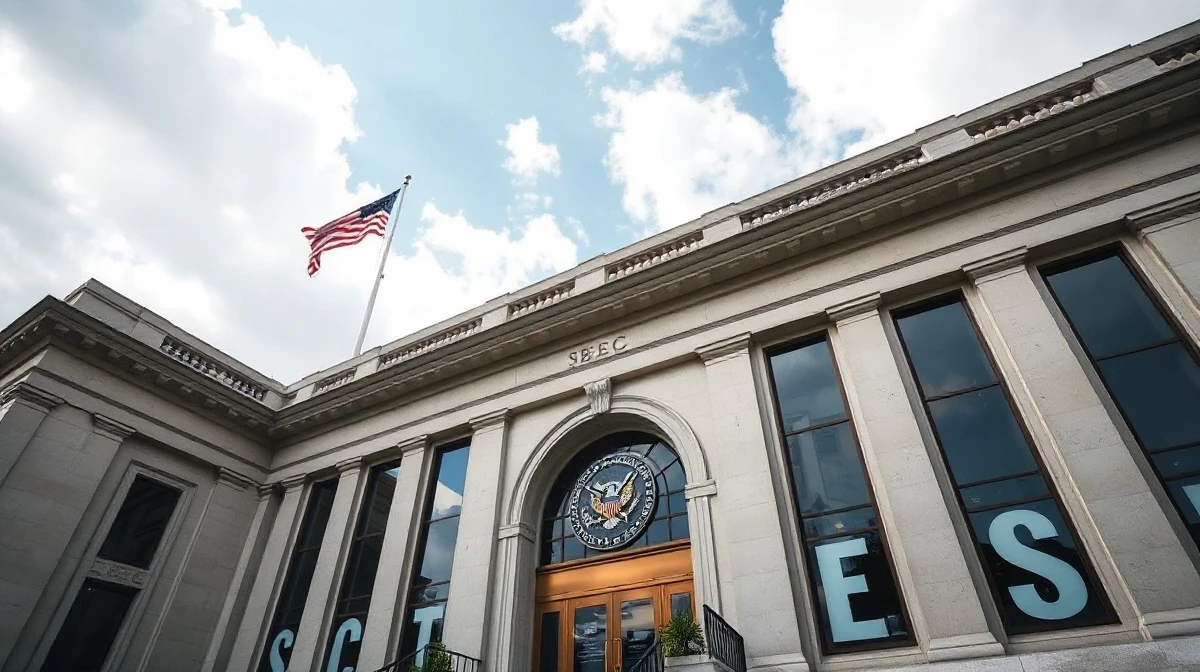
Senator Elizabeth Warren (D-Mass.) has formally called on the U.S. Securities and Exchange Commission (SEC) to block SpaceX’s initial public offering, just days before the company is expected to list on a major exchange. In a letter dated March 27, 2026, Warren argued that the IPO poses significant risks to retail investors and raises unresolved national security concerns tied to the company’s contracts with the Department of Defense.
SpaceX, founded by Elon Musk in 2002, has long been a private company valued at over $180 billion in secondary markets. Its IPO, widely anticipated for months, would be one of the largest in U.S. history. However, Warren’s intervention introduces a regulatory wildcard that could delay or derail the listing.
Also read: Dow trails chip rebound as CPI data looms over market
Warren’s Core Concerns
In her letter to SEC Chair Gary Gensler, Warren cited three primary objections:
- Retail investor protection: Warren argued that SpaceX’s complex financial structure and reliance on government contracts make it difficult for ordinary investors to assess risk. She noted that the company’s valuation has fluctuated wildly in private markets, with some secondary trades at valuations exceeding $200 billion.
- National security implications: SpaceX holds sensitive contracts with the U.S. military and NASA. Warren questioned whether a public listing could expose proprietary technologies or create conflicts of interest with foreign investors.
- Corporate governance: The senator pointed to Musk’s dual role as CEO of multiple companies, including X (formerly Twitter) and Tesla, arguing that his attention and potential conflicts could harm shareholder value.
“The SEC must not allow a company with such deep ties to national security and such volatile private-market pricing to go public without a full review of the risks,” Warren wrote. The letter was first reported by Reuters.
Also read: AI Stocks Now Account for 40% of the U.S. Stock Market, Data Shows
Market and Industry Reaction
SpaceX has not publicly responded to Warren’s letter. However, sources close to the company told Bloomberg that the IPO process remains on track, with the SEC having already reviewed the company’s S-1 registration statement. Legal experts are divided on whether the SEC has the authority to block an IPO based on the concerns Warren raised.
“The SEC’s role is to ensure full and fair disclosure, not to second-guess business models or national security arrangements,” said John Coffee, a securities law professor at Columbia University. “Unless there is evidence of material misrepresentation, a block would be rare.”
Shares of publicly traded defense and space contractors, including Lockheed Martin and Northrop Grumman, saw modest gains on the news, as some traders speculated that a delayed SpaceX IPO could reduce competitive pressure.
What Happens Next
The SEC has not indicated whether it will act on Warren’s request. A spokesperson for the agency declined to comment, citing the confidentiality of the review process. The IPO is currently scheduled for April 2, 2026, though a delay is possible if the SEC requests additional disclosures.
For retail investors, the episode underscores the risks of participating in high-profile IPOs. SpaceX’s offering is expected to be heavily oversubscribed, with many individual investors likely to buy shares on the first day of trading — a pattern that has led to significant losses in past tech IPOs, such as those of Uber and Rivian.

