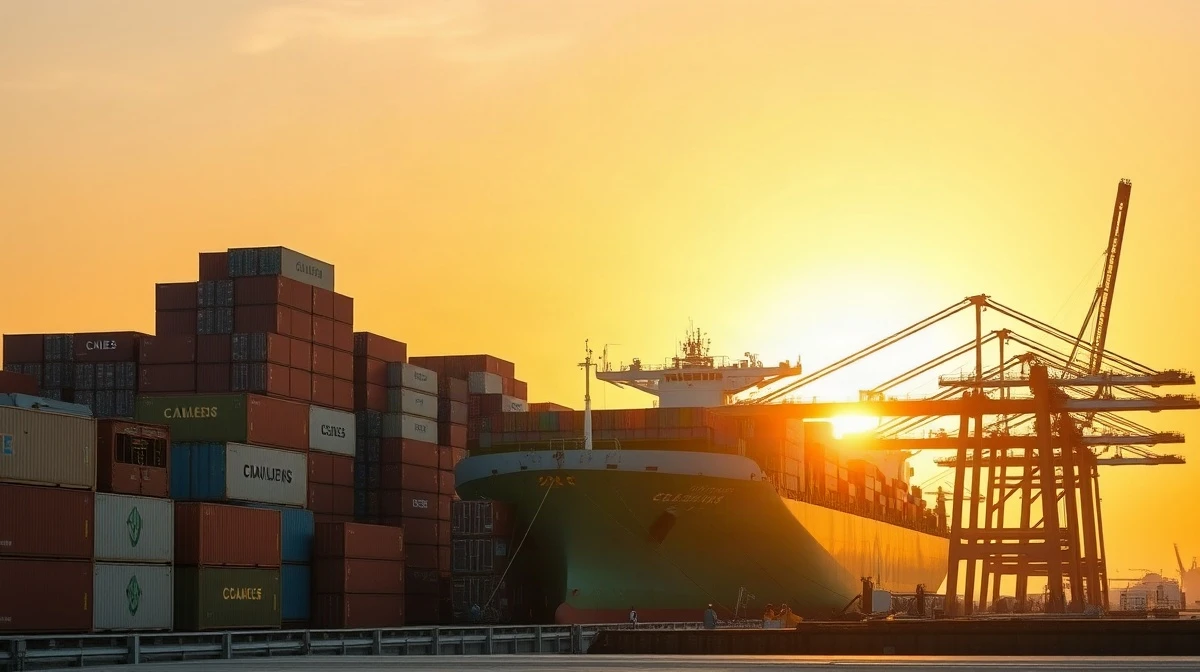
Taiwan’s economy is expanding at a pace that few major markets can match, with analysts at Commerzbank projecting third-quarter GDP growth of 12–12.5% year-on-year. The forecast, outlined by economists Dr. Henry Hao and Charlie Lay, follows a blistering 12.9% expansion in the second quarter of 2026, fueled by relentless global demand for artificial intelligence hardware and high-performance computing.
July data on manufacturing output and export orders — both released this month by Taiwan’s Ministry of Economic Affairs — reinforced the outlook, showing continued momentum in the island’s semiconductor and electronics supply chains. The figures suggest that the AI-driven boom, which began in earnest in 2023, shows no sign of cooling.
Also read: Sweden’s startup surge: How Lovable’s $13.3B valuation reflects a Nordic shift
What’s behind the surge
Taiwan sits at the center of the global AI supply chain. The island produces more than 60% of the world’s semiconductors and over 90% of the most advanced chips used in AI accelerators, according to industry estimates. Companies like TSMC, the world’s largest contract chipmaker, have been running at near-full capacity to meet orders from Nvidia, AMD, and major cloud providers.
The surge in export orders is not limited to chips. Demand for high-performance computing servers, networking equipment, and advanced packaging has also climbed, broadening the economic lift. In July, export orders rose sharply year-on-year, led by electronics and information-communication products, according to government data.
Also read: Ventures Platform closes $83M second fund, expands beyond Nigeria into Kenya, South Africa, Egypt
Commerzbank’s analysts noted that the growth is not just a rebound from a low base, but a structural shift driven by sustained investment in AI infrastructure. “The AI boom is sustaining exceptional growth in Taiwan,” they wrote in a client note, pointing to strong order books and capacity expansion plans across the semiconductor sector.
What it means for the global tech economy
Taiwan’s economic performance is a bellwether for the global technology sector. When Taiwanese factories are busy, it typically signals solid demand from the United States, China, and Europe for the components that power everything from data centers to smartphones.
The island’s export strength also has implications for central banks and investors. A booming export sector supports the Taiwanese dollar and gives the central bank more room to consider tightening monetary policy if inflation pressures emerge. However, analysts caution that the heavy reliance on AI and semiconductor demand creates concentration risk — a slowdown in tech spending would hit Taiwan disproportionately hard.
For now, the momentum appears durable. TSMC has raised its capital expenditure guidance for 2026, and the government has revised its full-year GDP forecast upward. The main risks remain geopolitical tensions across the Taiwan Strait and potential export controls that could disrupt supply chains.
What to watch next
Investors and policymakers will be watching August export data, due in September, for signs that the pace is holding. The third-quarter GDP estimate will be released by Taiwan’s Directorate-General of Budget, Accounting and Statistics in late November, which will confirm whether the 12–12.5% projection holds.
Beyond the headline numbers, the composition of exports matters. If AI-related shipments continue to dominate, Taiwan’s growth story will remain tied to the fortunes of a handful of global tech giants. A broader recovery in consumer electronics — smartphones and PCs — would make the expansion more balanced and sustainable.
Disclaimer: This article is for informational purposes only and does not constitute financial advice. Economic forecasts and market projections are inherently uncertain, and readers should conduct their own research before making investment decisions.